






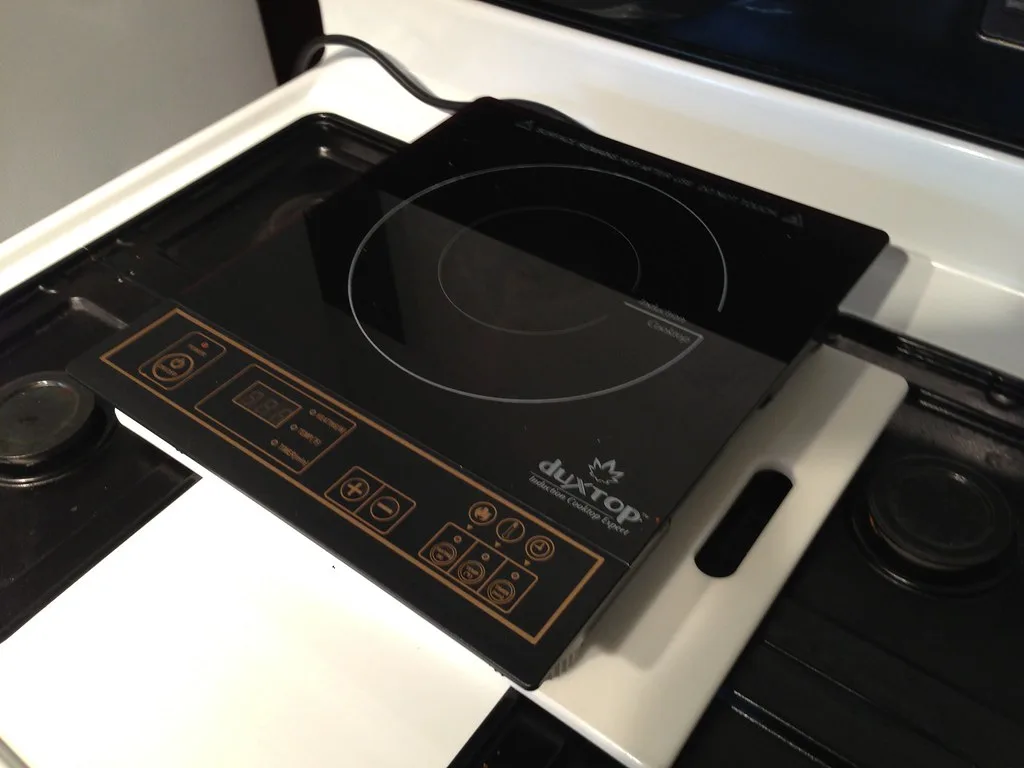
Scaling for a Changing Kitchen Landscape
TTK Prestige, a leading Indian kitchen appliance manufacturer, announced this week that it has doubled its production capacity for induction cooktops at its manufacturing facilities. This strategic expansion comes as the company reports a significant and sustained surge in consumer demand across India, signaling a permanent shift in cooking habits.
The Shift Toward Induction Technology
For decades, the Indian culinary landscape was dominated by Liquefied Petroleum Gas (LPG) stoves. However, rising fuel costs and an increasing focus on kitchen safety have catalyzed a rapid transition toward electric induction technology.
Market analysts note that induction cooktops offer superior thermal efficiency and precise temperature control compared to traditional flame-based cooking. Furthermore, the push toward electrification in residential infrastructure has made induction units a more viable and attractive option for urban households.
Strategic Capacity Expansion
The decision to double production capacity is a direct response to data indicating that induction cooktops are becoming a cornerstone of the company’s revenue stream. TTK Prestige management stated that the increased output is designed to prevent supply chain bottlenecks during peak festive seasons and periods of high replacement demand.
By scaling operations, the firm aims to capture a larger share of the entry-level and premium appliance segments. The expansion involves automating key assembly lines to ensure higher precision and throughput, reflecting a broader trend of modernization within the domestic manufacturing sector.
Expert Perspectives on Market Trends
Industry experts suggest that the adoption of induction technology is being driven by both economic and lifestyle factors. According to recent retail data, households are increasingly prioritizing energy-efficient appliances to combat inflation and rising utility bills.
Financial analysts monitoring the consumer durables sector point out that the shift is not merely a temporary trend but a fundamental change in consumer behavior. With more households moving toward modular kitchen designs, the aesthetic and functional benefits of induction cooktops provide a clear competitive edge over traditional gas burners.
Implications for Consumers and the Industry
For consumers, this capacity increase likely translates to greater product availability and potentially more competitive pricing in the coming months. As manufacturers compete for market share, the incentive to innovate with features such as smart touch controls and energy-saving sensors will likely intensify.
Looking ahead, industry observers are watching for how competitors respond to this aggressive expansion. The next phase of market evolution will likely involve a push toward ‘smart’ induction cooktops that integrate with home automation systems, setting the stage for a fully connected kitchen ecosystem. Investors and market watchers should monitor future quarterly earnings to determine if this growth in induction demand can offset potential fluctuations in other appliance categories.


