





President Donald Trump has pivoted his administration’s strategy toward Iran this week, prioritizing the immediate reopening of the Strait of Hormuz over long-standing disputes regarding Tehran’s nuclear and ballistic missile programs. By decoupling maritime security from broader geopolitical grievances, the White House aims to stabilize global energy markets and lower oil prices, signaling a tactical retreat from the ‘maximum pressure’ campaign that characterized his previous term.
A Strategic Reassessment of Regional Priorities
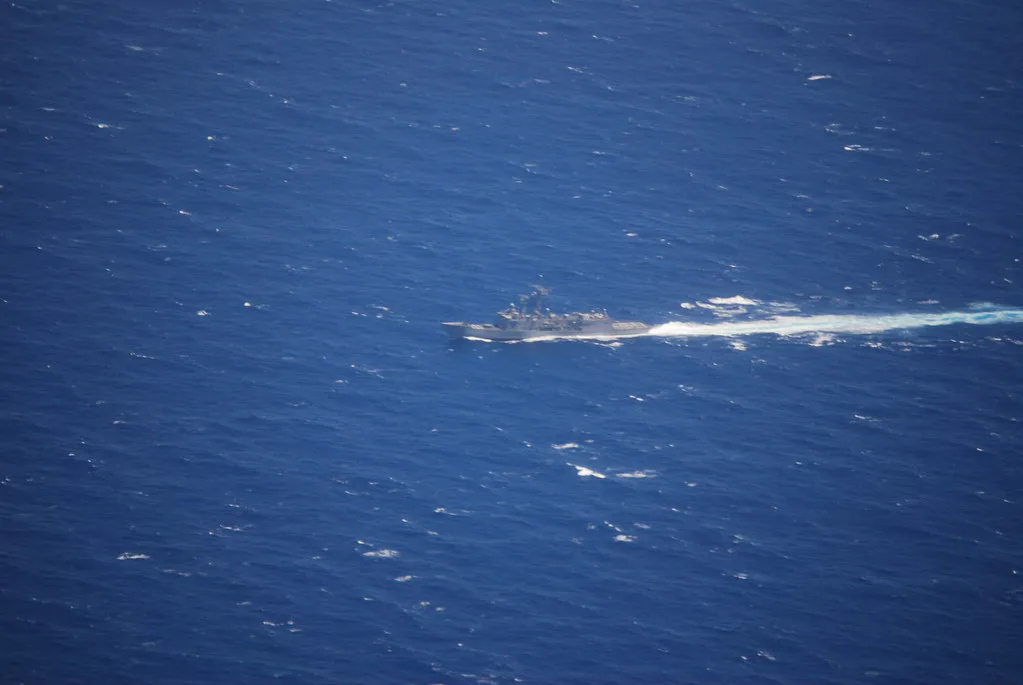
The Strait of Hormuz serves as the world’s most critical maritime chokepoint, with approximately 20% of global oil consumption passing through its narrow waters daily. Recent escalations in the region have led to increased insurance premiums for tankers and heightened volatility in energy futures, prompting the administration to isolate the shipping issue from the complex web of nuclear non-proliferation talks.
Historically, the U.S. approach to Iran has been holistic, linking sanctions relief directly to verifiable concessions on uranium enrichment and regional proxy activities. This new, compartmentalized strategy suggests that the administration is willing to offer limited diplomatic or economic concessions to ensure the free flow of commerce, even if it leaves the nuclear file unaddressed for the time being.
The Economic Imperative Behind the Shift
Market analysts suggest this move is driven by domestic economic pressures. With inflation remaining a top concern for American voters, stabilizing energy costs has become a central pillar of the administration’s foreign policy agenda. By securing the Strait, the White House hopes to remove the ‘geopolitical risk premium’ currently baked into the price of a barrel of crude oil.
Data from the International Energy Agency (IEA) confirms that any disruption in the Strait of Hormuz could trigger a global supply shock, potentially pushing oil prices significantly higher. The administration appears to be calculating that the risk of a regional conflict outweighs the immediate utility of maintaining maximalist pressure on Tehran’s missile development.
Expert Perspectives on Diplomatic Risks
Foreign policy experts remain divided on the efficacy of this segmented approach. Critics argue that by prioritizing shipping lanes, the U.S. loses its primary leverage to curb Iran’s nuclear ambitions, effectively signaling to Tehran that it can continue its ballistic missile program while maintaining favorable trade conditions.
‘You cannot separate the security of the Strait from the broader regional security architecture,’ says Dr. Elena Rossi, a senior fellow at the Center for Global Energy Security. ‘By focusing solely on the waterway, the administration risks creating a short-term win that exacerbates long-term proliferation threats.’
Implications for Global Markets and Regional Stability
For the shipping industry, the shift offers a glimmer of hope that military escorts and insurance costs might normalize. Global energy traders are watching the situation closely, waiting to see if these back-channel communications lead to a tangible reduction in naval posturing near the Iranian coast.
Looking ahead, the success of this strategy hinges on whether Tehran views this pivot as a sign of weakness or an opportunity to reintegrate into global markets. If the Strait remains open, the administration will likely face mounting pressure from Congress to address the dormant nuclear file. Observers should monitor upcoming diplomatic exchanges in neutral territories, as these will indicate whether the focus on maritime security is a genuine path toward de-escalation or merely a temporary reprieve in a decades-long standoff.