





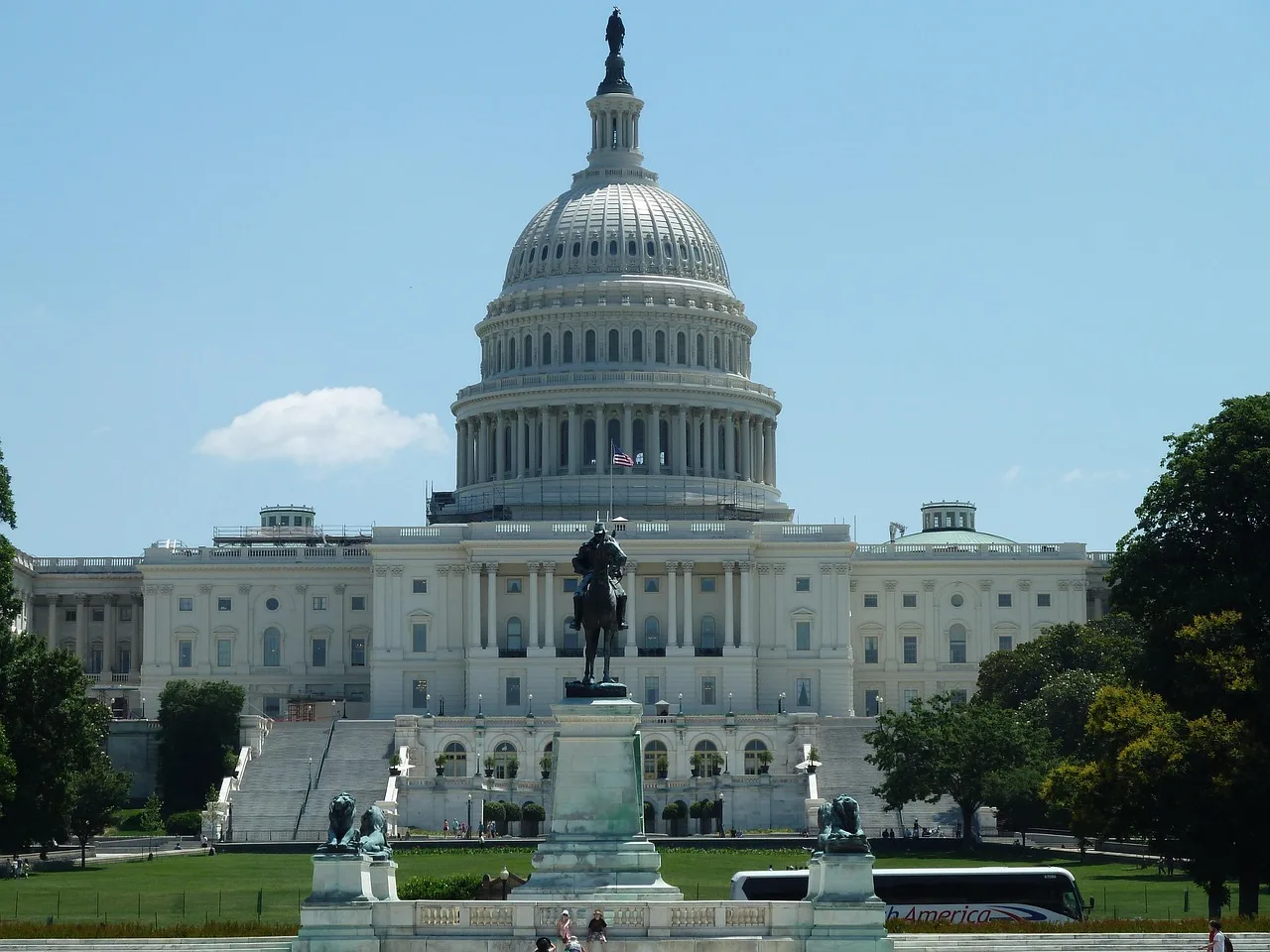
A New Threshold in Washington
The United States national debt officially surpassed the size of the total economy last week, a milestone that underscores the nation’s rapidly expanding fiscal obligations. While the debt-to-GDP ratio—a metric closely watched by economists—has now crossed the 100% threshold, federal officials in Washington have largely treated the figure as a routine data point rather than an immediate catalyst for crisis. This development follows years of deficit spending, fueled by pandemic-era stimulus, infrastructure investment, and rising entitlement costs.
Understanding the Debt-to-GDP Metric
The debt-to-GDP ratio is frequently used by policymakers to measure a country’s ability to pay back its debt relative to its economic output. Historically, a ratio above 100% was considered a danger signal, suggesting that a government might struggle to manage its liabilities. However, the modern global economy operates under different parameters, where the U.S. dollar’s status as the world’s primary reserve currency provides unique leverage.
The Real Challenge: Interest Rates and Servicing Costs
While the raw size of the debt often dominates headlines, fiscal experts argue that the true economic threat lies in the rising cost of servicing that debt. As interest rates remain elevated compared to the near-zero environment of the previous decade, the federal government must allocate a larger portion of the budget to interest payments alone. According to data from the Congressional Budget Office (CBO), interest costs are currently one of the fastest-growing components of the federal budget, threatening to crowd out spending on defense, education, and social programs.
Economists point out that if the cost of borrowing exceeds the rate of economic growth, the debt burden becomes inherently unsustainable. This dynamic creates a fiscal trap where even modest increases in interest rates can significantly worsen the budget deficit without any changes to government spending levels.
Market Perspectives and Fiscal Sustainability
Wall Street analysts remain divided on the immediate urgency of the situation. Some market observers warn that the sheer volume of Treasury issuance could eventually strain market liquidity, forcing the Federal Reserve into difficult policy trade-offs. Others emphasize that the U.S. economy remains resilient, with a robust labor market and consistent productivity growth helping to sustain demand for government securities.
Data from the Treasury Department indicates that foreign demand for U.S. bonds remains steady, reflecting continued global confidence in the American economy. However, analysts caution that this reliance on international capital markets requires a predictable and stable long-term fiscal strategy that is currently absent from the legislative discourse.
Future Implications for the Fiscal Landscape
Looking ahead, the primary concern for both policymakers and investors is the long-term trajectory of entitlement spending. As the population ages, programs like Social Security and Medicare will continue to place upward pressure on the deficit, regardless of current economic growth rates. Future legislative sessions will likely be dominated by debates over tax reform and spending caps as the government attempts to balance these obligations.
Observers should watch for upcoming CBO long-term outlook reports and Federal Reserve policy meetings, which will provide the clearest signals on whether the current debt path is stabilizing or accelerating. The ability of the U.S. to manage its fiscal health without triggering inflationary pressures or market volatility remains the central question for the next decade of economic policy.