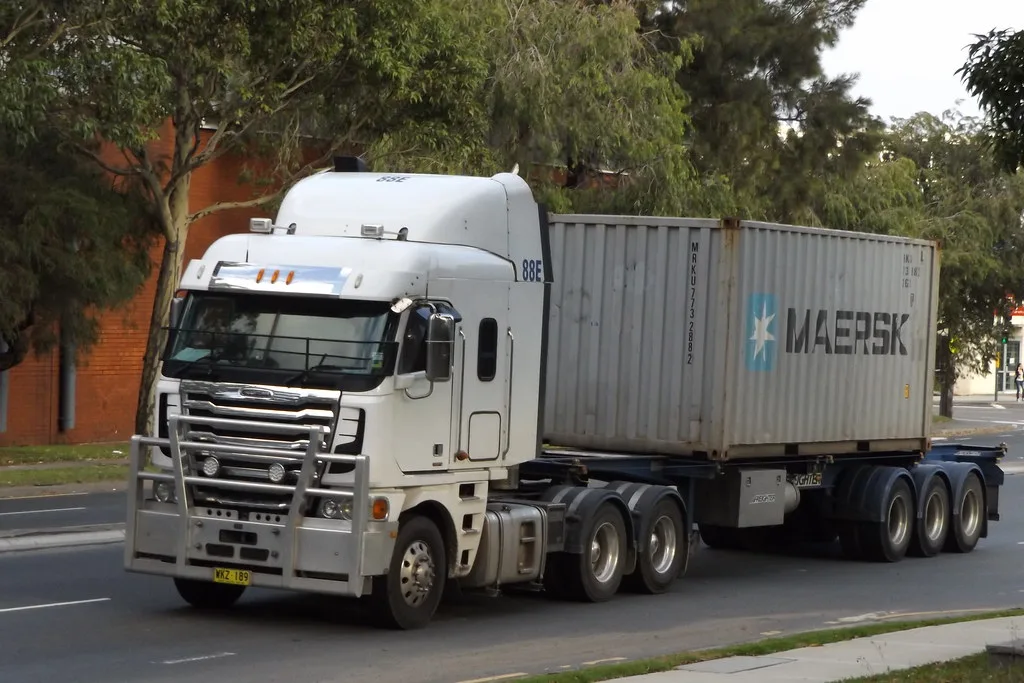





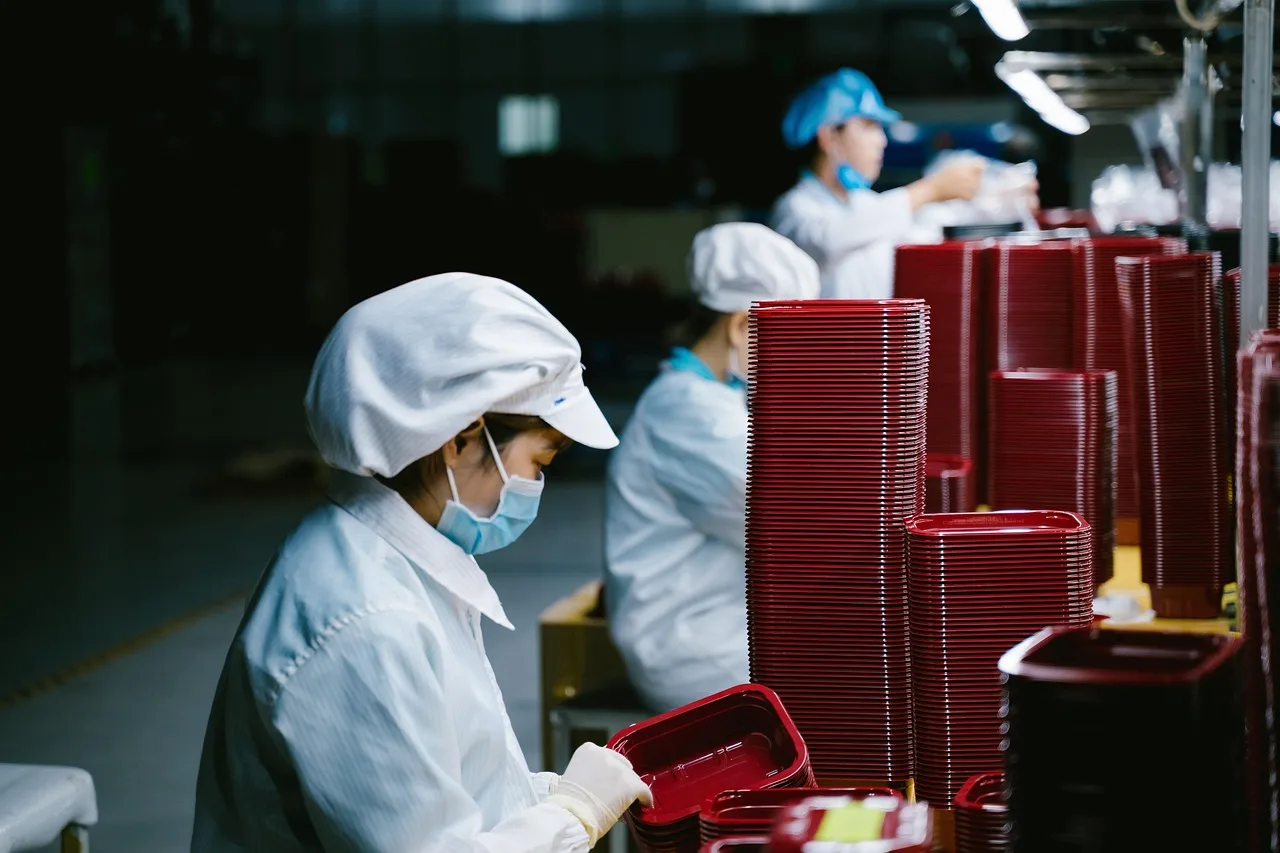
Following recent military engagements against Iran, the United States faces an urgent challenge in replenishing its depleted weapons stockpiles, a process that inadvertently strengthens its reliance on Chinese supply chains. As the Pentagon accelerates production of precision-guided munitions and advanced defense systems, the industry remains heavily dependent on rare-earth minerals—a sector where China currently controls approximately 60% of global production and 85% of processing capacity.
The Rare-Earth Bottleneck
Modern warfare relies on complex electronics, from guidance systems in missiles to the sensors found in drones and fighter jets. These components require neodymium, dysprosium, and other rare-earth elements that are essential for creating high-strength magnets and advanced circuitry.
While the U.S. has sought to onshore its defense industrial base, the timeline for mining and refining these materials spans years, if not decades. Consequently, the current surge in demand caused by the conflict in the Middle East forces the U.S. to choose between rapid replenishment and strict supply chain independence.
Geopolitical Leverage and Supply Chain Vulnerabilities
China has increasingly utilized its dominance in the rare-earth market as a strategic lever in its broader geopolitical competition with the West. By implementing export controls on key minerals like gallium and germanium, Beijing has demonstrated its capacity to disrupt the manufacturing schedules of foreign defense contractors.
Industry analysts point out that the U.S. defense sector is currently operating under a supply crunch that was already present prior to the hostilities. The sudden escalation in weapons expenditure has only exacerbated these shortages, forcing the Department of Defense to navigate a delicate balance of diplomatic pressure and industrial realpolitik.
Expert Perspectives on Strategic Autonomy
“The industrial base is the silent partner of military readiness,” notes Dr. Elena Vance, a senior fellow at the Center for Strategic and Industrial Studies. “When you deplete your reserves in a conflict, you are not just burning fuel and steel; you are burning through your access to global raw materials that are essentially controlled by your primary strategic rival.”
Data from the U.S. Geological Survey confirms that while domestic exploration is increasing, the processing of these minerals remains a significant barrier. Even if the U.S. extracts the ore, the lack of midstream refining infrastructure means that the material must often be shipped to East Asia for final processing before it can be utilized in American weapons plants.
Implications for Future Defense Posture
The reliance on Chinese-processed minerals poses a critical risk to national security, particularly if the current conflict in the Middle East expands or if tensions in the Indo-Pacific rise. Defense planners are now under pressure to diversify sourcing through partnerships with countries like Australia, Canada, and Brazil, though these alternatives currently lack the scale to replace Chinese output.
Looking ahead, the focus will likely shift toward massive federal subsidies for domestic refining facilities and the implementation of stockpiling mandates for critical minerals. Observers should watch for new legislative efforts in the upcoming fiscal year aimed at providing tax incentives for private firms to bypass traditional Chinese supply routes, as the Pentagon seeks to decouple its military readiness from its primary economic competitor.