





The Price Surge
The Indian government has officially increased petrol and diesel prices by Rs 3 per litre, with compressed natural gas (CNG) rising by Rs 2 per kg, marking the first such hike in nearly four years. This decision, implemented this past Friday, comes as state-run oil companies struggle to absorb the escalating costs of global crude oil driven by ongoing conflicts in West Asia. The move is expected to exert immediate pressure on household budgets, transport operators, and logistics costs, likely contributing to an uptick in retail inflation.
Contextual Challenges in Energy Supply
The domestic fuel market has been under significant strain as private gas-pump operators have reduced diesel sales or increased prices to offset global volatility. This shift has placed the burden of demand squarely on state-run refiners, who are currently grappling with supply chain disruptions. Because India imports approximately half of its natural gas requirements—primarily from Qatar and the UAE—the regional instability has compounded costs through higher freight, insurance premiums, and a weakening rupee.
The Pivot Toward Electric Freight
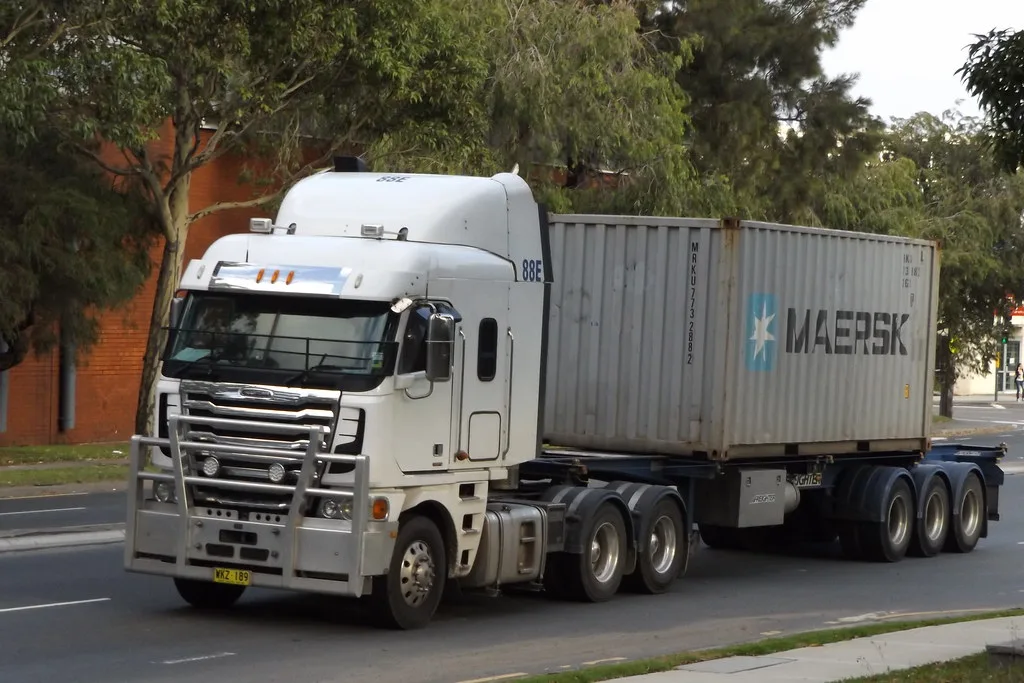
In response to the diesel crunch, the logistics sector is accelerating its transition to electric vehicle (EV) trucks. According to a recent report by C40 Cities and The Climate Pledge, the cost gap between diesel and electric heavy-duty trucks is narrowing rapidly. Currently, 55-tonne electric trucks carry a price premium of only 3 to 4 percent over their diesel counterparts, a disparity expected to vanish within the next year.
Data-Driven Viability
The National EV Highway Guidance Framework provides a roadmap to electrify the nation’s busiest freight routes by 2027. Insights from the Laneshift pilot project, which spanned 200,000 kilometres across major corridors like Bengaluru to Chennai, confirm that electric trucks are commercially viable for daily operations exceeding 400 kilometres. This operational success has already triggered a 4.2-fold increase in electric truck orders from major fleet operators, signaling a shift in market confidence.
Expanding LNG Infrastructure
Beyond electrification, India is actively seeking to expand its Liquefied Natural Gas (LNG) storage capacity to bolster energy security. By increasing domestic storage, the nation aims to insulate its industrial sectors—ranging from fertilizer production to electricity generation—from the volatility of international supply disruptions. This dual-pronged strategy of scaling EV adoption and diversifying gas reserves is viewed as essential for meeting India’s net-zero emission commitments by 2070.
Implications for the Future
As freight demand is projected to quadruple by 2050, the transition to zero-exhaust emission vehicles will be the primary lever for logistics stability. Industry stakeholders will be watching the Ministry of Heavy Industries’ progress on the 20 priority highways identified for electrification. Should the current pace of adoption continue, the integration of electric trucks into long-haul corridors could significantly decouple logistics costs from global oil price shocks by the end of the decade.