



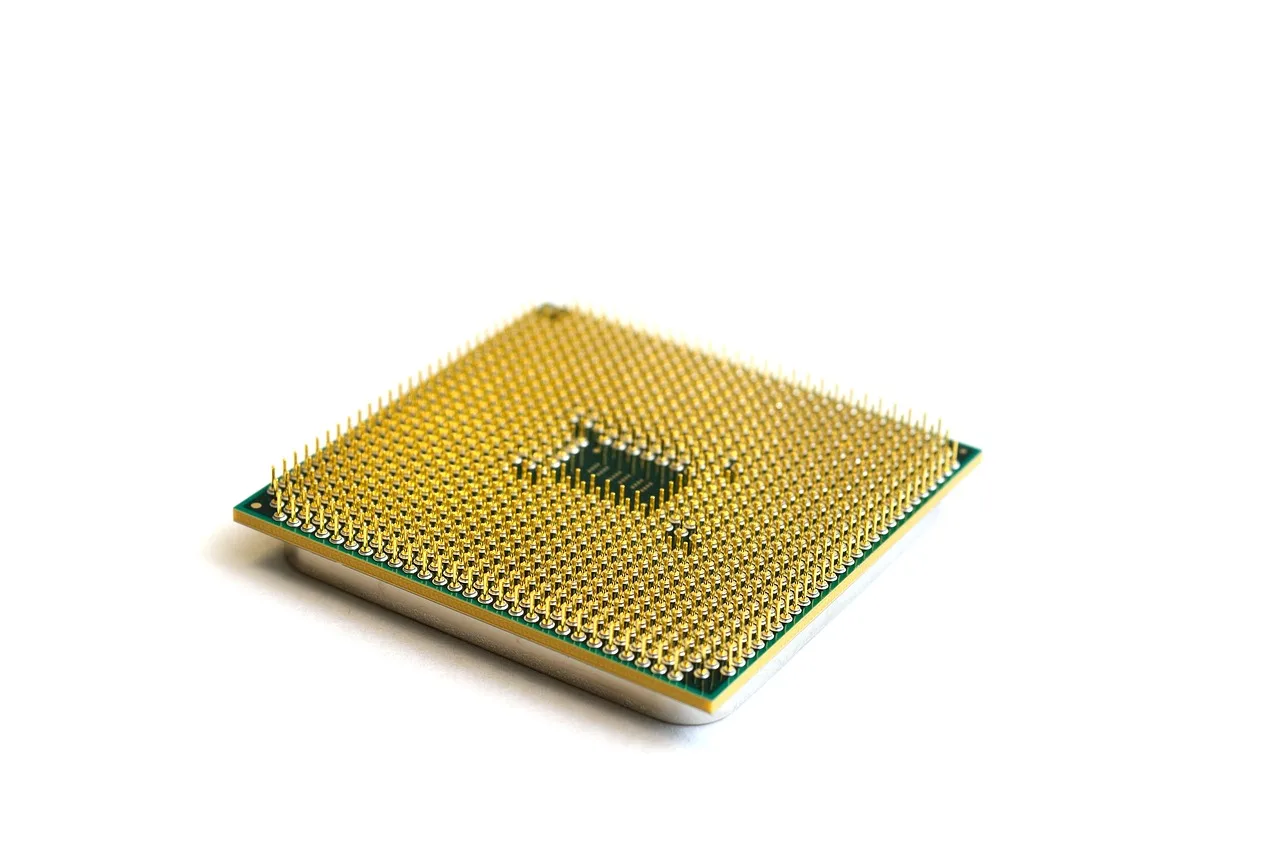
The New Pillars of Silicon Valley
As the global artificial intelligence boom accelerates, Micron Technology, Samsung Electronics, and SK Hynix have emerged as the indispensable powerhouses of the modern tech economy. Over the past twelve months, these three semiconductor giants have seen their market valuations soar, cementing their status as the essential gatekeepers of the AI infrastructure race. Wall Street analysts and government officials alike now view high-bandwidth memory (HBM) production as the critical bottleneck—and the primary engine—driving the next decade of digital transformation.
Understanding the Memory Bottleneck
For decades, the semiconductor industry focused primarily on central processing units (CPUs) and graphics processing units (GPUs). However, the rise of Large Language Models (LLMs) like ChatGPT has fundamentally altered hardware requirements. AI models require massive datasets to be processed instantaneously, creating a “memory wall” where traditional chips cannot keep up with the speed of data transfer.
High-bandwidth memory chips act as the high-speed bridge between data storage and processing power. Without these advanced memory components, even the most powerful GPUs from companies like Nvidia would remain underutilized. This technological shift has transformed the memory market from a commodity-driven cyclical industry into a high-margin, strategic sector.
A Strategic Shift in Global Supply
The dominance of these three firms is not accidental. SK Hynix, in particular, has leveraged its early lead in HBM technology to secure a dominant position in the supply chain for leading AI hardware providers. Meanwhile, Micron and Samsung have aggressively expanded their manufacturing footprints to meet the insatiable demand from hyperscale data centers in the United States and abroad.
Industry data from TrendForce suggests that HBM revenue is expected to grow by more than 200% year-over-year as manufacturers pivot their existing capacity away from legacy DRAM production. This transition has led to significant capital expenditure, with billions of dollars being poured into new fabrication plants in South Korea and the United States. Governments are also responding, with the U.S. CHIPS Act providing incentives to ensure that the memory supply chain remains resilient against geopolitical volatility.
Economic and Industry Implications
The implications of this shift are profound for both the tech industry and global markets. Investors are increasingly viewing memory producers as “AI pure-plays” rather than cyclical component manufacturers. This revaluation reflects the reality that memory chips are now a permanent, high-value component of the AI stack, rather than an afterthought.
For the broader industry, the reliance on these three players creates a concentrated supply chain. If one firm encounters a production hurdle or a supply chain disruption, the entire global AI development pipeline could face significant delays. Companies are now looking to diversify their memory sources, yet the high barrier to entry for HBM manufacturing ensures that these three incumbents will likely maintain their dominance for the foreseeable future.
What to Watch Next
Looking ahead, market observers are focused on the race to develop the next generation of HBM—specifically HBM4—which promises even higher bandwidth and power efficiency. Analysts will also be monitoring whether new entrants, such as Chinese domestic chipmakers, can close the technological gap and disrupt the current oligopoly. As AI models grow more complex, the competition to define the standard for high-speed memory will remain the most critical subplot in the global race for technological supremacy.