





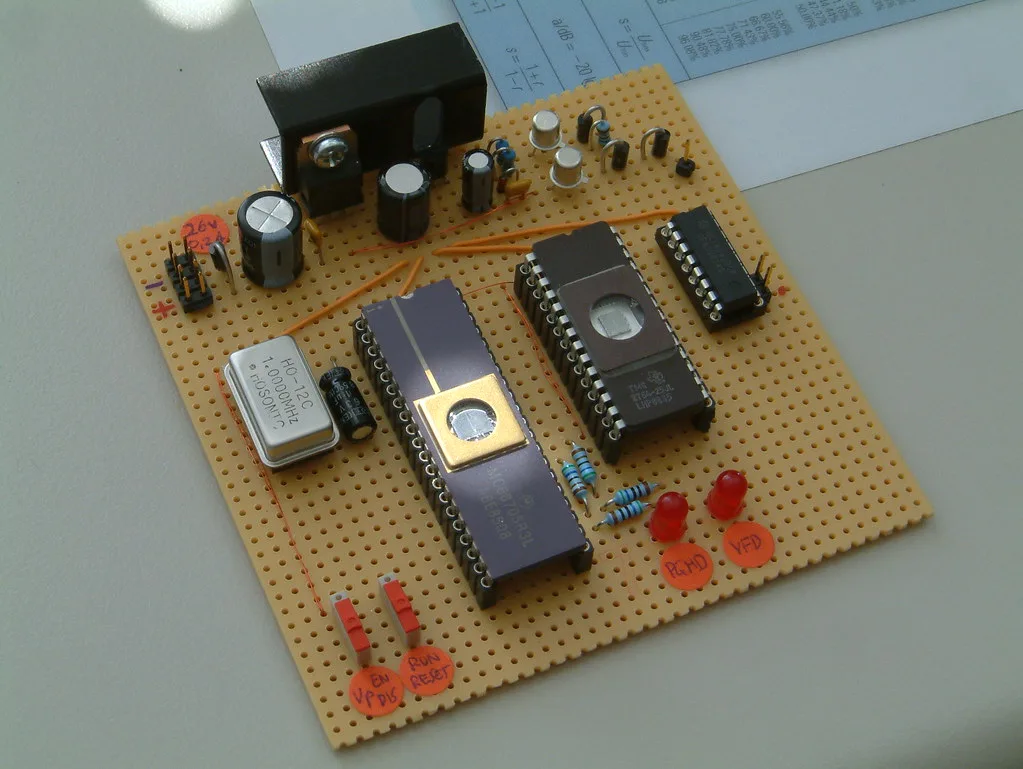
Boise-based semiconductor giant Micron Technology surged to a $1 trillion market capitalization on Tuesday, achieving the milestone in just 48 days, a rapid expansion that significantly bolstered both the S&P 500 and the Nasdaq indices. This historic valuation leap confirms the aggressive momentum currently driving the global semiconductor sector as demand for high-performance memory chips reaches unprecedented levels.
The Context of the Semiconductor Boom
The semiconductor industry has spent the last two years navigating a volatile landscape defined by supply chain constraints and a sudden, explosive demand for artificial intelligence hardware. Memory chips, once considered a commoditized segment of the tech market, have become the critical bottleneck for AI infrastructure deployment.
Micron’s specific ascent is tied to its development of High Bandwidth Memory (HBM), a specialized hardware component essential for training large language models. As data centers expand globally, the necessity for high-speed data transfer has placed Micron at the center of the technological arms race.
Market Dynamics and Investor Sentiment
The rally on Tuesday was not an isolated event but rather a reflection of broader investor confidence in the hardware backbone of the digital economy. Analysts point to Micron’s strategic pivot toward high-margin products as a key driver for this valuation expansion.
According to data from market research firm Gartner, global semiconductor revenue is projected to grow by double digits throughout the fiscal year as industrial, automotive, and consumer electronics sectors stabilize. Investors are increasingly viewing Micron as a foundational player in this growth, comparable to the roles held by major GPU manufacturers.
Expert Perspectives on Industry Growth
Industry analysts suggest that the speed of Micron’s $1 trillion breakthrough underscores a shift in how the market values hardware manufacturers. Historically, cyclical semiconductor stocks were valued based on current production capacity, but current valuations now incorporate long-term AI infrastructure contracts.
“We are seeing a repricing of the entire memory chip industry,” noted a lead analyst from a major financial firm. “The market is no longer treating these components as seasonal commodities, but as essential infrastructure assets that are immune to typical historical downturns.”
Implications for the Future
For the broader technology sector, Micron’s performance signals that the hardware rally has significant runway remaining. Companies that provide the physical architecture for AI are currently reaping the benefits of massive capital expenditure programs from cloud service providers.
Moving forward, market observers will monitor Micron’s capacity expansion plans to see if supply can keep pace with this unrelenting demand. If the company maintains its current production yield, the focus will shift toward potential bottlenecks in raw material sourcing and the geopolitical implications of manufacturing high-end memory chips in a fragmented global market.