




The Global Connection to Local Breakfast Tables
Starting May 14, 2026, Indian households began paying Rs 2 more per litre for milk following price hikes announced by major dairy cooperatives Amul and Mother Dairy. This increase is not merely a reflection of local dairy market dynamics but is a direct consequence of escalating geopolitical tensions in West Asia, which are driving up global crude oil prices. As India imports approximately 85% of its crude oil requirements, the nation’s economy remains highly sensitive to disruptions in critical shipping routes like the Strait of Hormuz.
The Anatomy of Oil-Linked Inflation
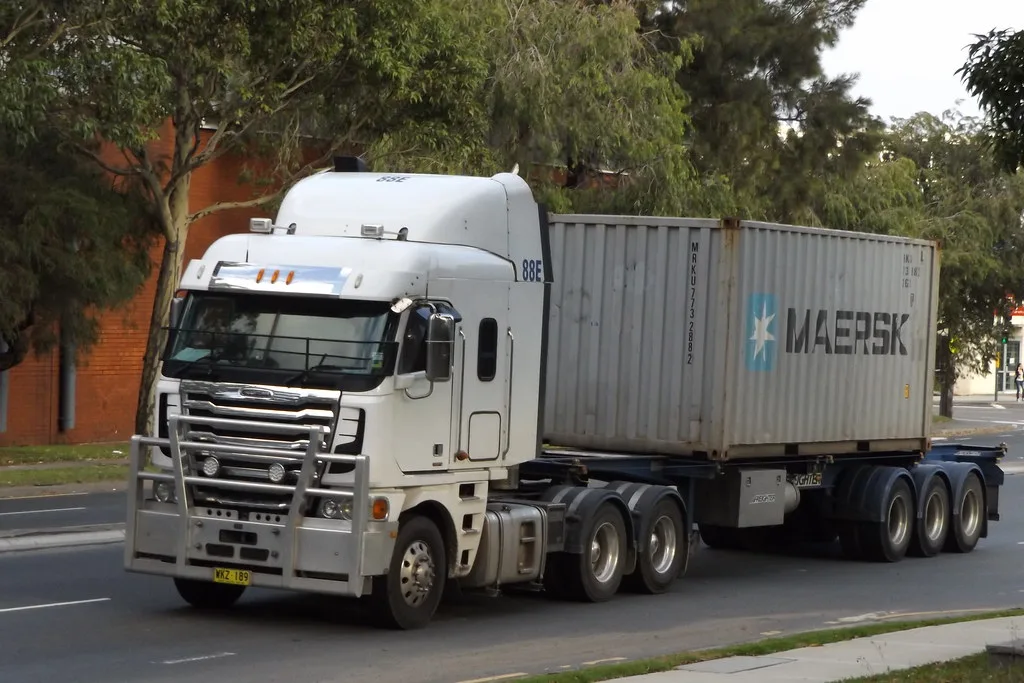
The dairy industry is heavily dependent on petroleum products at every stage of the supply chain. From the moment fodder is transported to farms to the final delivery of milk pouches to urban retailers, fuel costs represent a significant portion of operational expenses. When crude oil prices surge due to conflict, the cost of diesel for milk tankers rises, and the electricity required to power cold storage facilities becomes more expensive.
Furthermore, the packaging itself is a product of the petrochemical industry. Milk pouches are typically manufactured from plastic derivatives, meaning that fluctuations in oil prices directly impact the cost of raw materials for dairy processors. These layered costs—logistics, refrigeration, packaging, and distribution—create a cumulative inflationary effect that dairy firms are forced to pass on to the consumer.
Structural Pressures and Market Realities
This latest price hike arrives amid a backdrop of pre-existing supply-side challenges. The Indian dairy sector has recently grappled with the impact of lumpy skin disease on cattle productivity and erratic monsoon patterns that have significantly inflated the cost of cattle feed. With India producing over 239 million tonnes of milk annually and domestic consumption reaching approximately 221 million tonnes, even minor supply chain disruptions can lead to noticeable price volatility.
Economic analysts refer to this phenomenon as “second-round inflation.” While the initial shock occurs in the global energy market, the secondary impact permeates logistics and manufacturing, eventually manifesting as higher prices for essential household goods. In an economy where milk is a staple, these price adjustments serve as a barometer for broader inflationary trends across the FMCG and agricultural sectors.
Looking Ahead: The Energy-Food Nexus
The volatility surrounding crude oil suggests that consumers should anticipate continued pressure on the prices of daily essentials. As the global energy landscape remains fragile due to ongoing geopolitical conflicts, the reliance of the food supply chain on petroleum-based logistics will remain a critical vulnerability. Industry observers are now closely monitoring whether dairy cooperatives will implement further adjustments if crude prices remain elevated, or if long-term investments in cold-chain efficiency and alternative energy sources can mitigate these external shocks in the future.