





Indian households face a sudden rise in daily expenses as major dairy brands, including Amul and Mother Dairy, increased milk prices by Rs 2 per litre on May 14, 2026. This price hike is not merely a result of local dairy sector challenges but is deeply linked to the intensifying US-Iran conflict located over 2,000 kilometres away. As global geopolitical tensions threaten shipping routes in the Strait of Hormuz, the resulting volatility in crude oil prices is cascading directly into the Indian kitchen.
The Anatomy of Oil Dependency
India remains highly vulnerable to international energy fluctuations, importing nearly 85% of its crude oil requirements. While the nation stands as the world’s largest milk producer—contributing 22% of global supply with output reaching 239.3 million tonnes in 2023-24—the dairy supply chain is intrinsically tied to petroleum. Every stage of the milk production cycle, from the farm to the refrigerator, relies on energy-intensive processes.
The Mechanics of Rising Costs
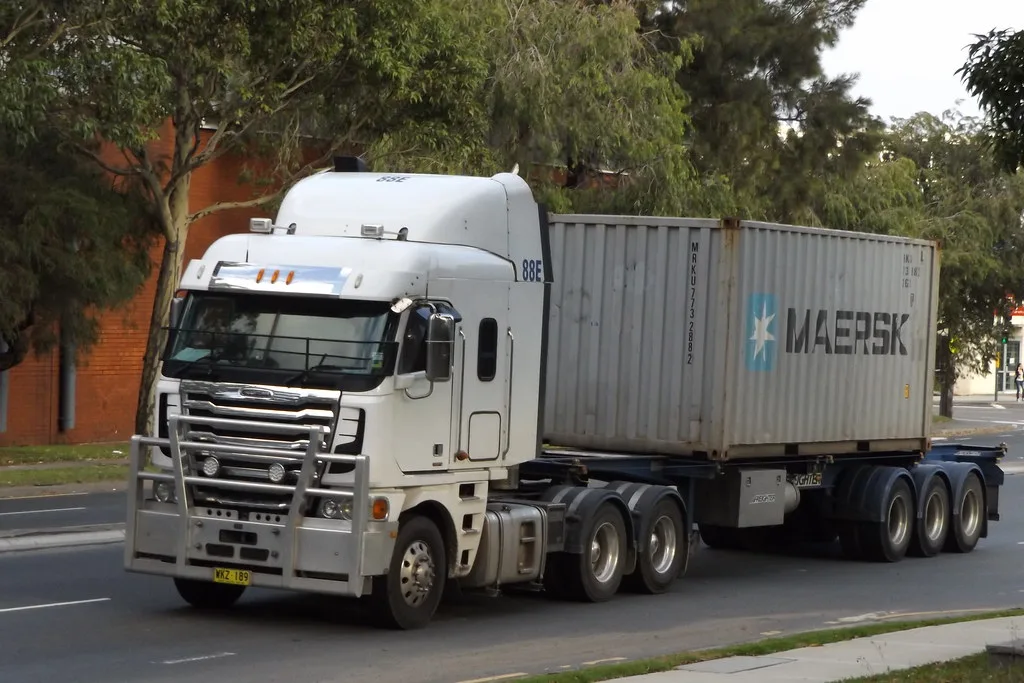
The correlation between crude oil and the price of a litre of milk is driven by several logistical and operational factors. Diesel costs directly impact the vast fleet of tankers required to transport milk from rural production hubs to urban centers. Furthermore, the dairy industry relies heavily on electricity for cold storage and refrigeration, both of which are susceptible to fuel-based price surges.
Beyond transportation and cooling, the manufacturing side of the industry faces significant pressure. Milk packaging, typically consisting of plastic pouches, is a petroleum-based product, meaning that higher oil prices translate directly into increased material costs. Additionally, the movement of cattle feed and fodder across the country has become more expensive, squeezing the margins of dairy farmers and distributors alike.
Structural Pressures and Market Realities
The current price hike arrives on the back of existing structural challenges within the Indian dairy sector. Previous outbreaks of lumpy skin disease significantly impacted cattle productivity, while erratic monsoon patterns have driven up the costs of essential animal feed. These supply-side constraints, combined with a steady rise in domestic fluid milk demand—estimated at 221 million tonnes annually—have created a fragile market environment.
Economic analysts describe this phenomenon as “second-round inflation.” The initial impact of geopolitical conflict hits crude oil markets, which then filters through to logistics and manufacturing costs. Ultimately, this pressure reaches the consumer as higher prices for essential goods. Because crude oil serves as the base cost for modern economic activity, its influence extends to everything from fertilizer production to restaurant operations and food delivery services.
Future Outlook
Looking ahead, industry experts suggest that consumers should monitor the geopolitical situation in West Asia as a primary indicator of further price adjustments. As long as the Strait of Hormuz remains a focal point of global tension, the volatility in crude oil prices will likely continue to exert upward pressure on the logistics and packaging components of the dairy supply chain. Observers should also watch for governmental policy shifts aimed at subsidizing fuel costs for essential agricultural logistics to mitigate the impact on household inflation.