





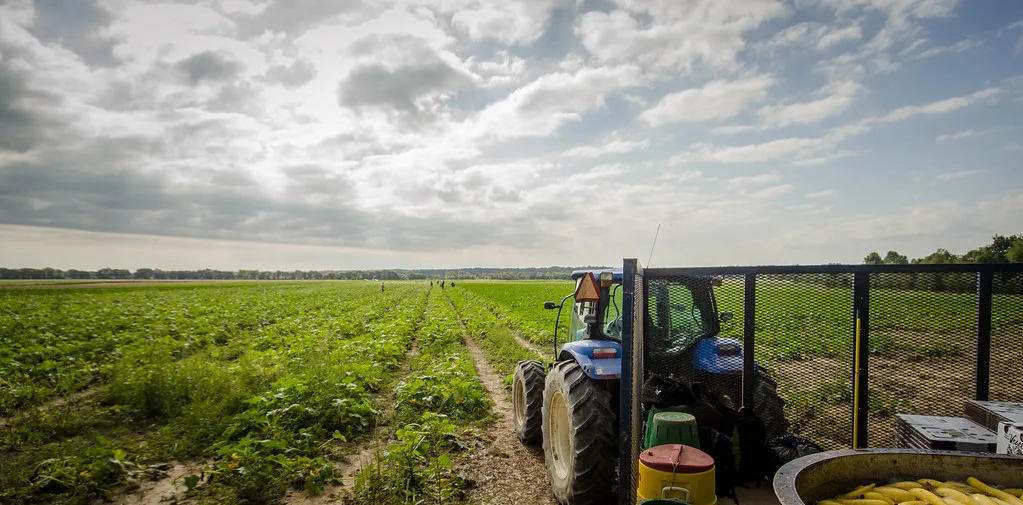
American farms are increasingly turning to the H-2A visa program to address critical labor shortages, with the U.S. government issuing a record number of guest worker permits throughout this year. This surge in reliance on foreign labor comes as the agricultural sector grapples with an aging domestic workforce and shifting migration patterns, placing the H-2A program at the center of a complex debate regarding immigration policy, economic stability, and worker protections.
The Evolution of Agricultural Labor
The H-2A program was established to allow agricultural employers to bring foreign nationals to the United States to fill temporary or seasonal jobs when domestic workers are unavailable. For decades, it has served as a vital safety net for growers of labor-intensive crops like fruits and vegetables.
However, the program has expanded significantly over the past several years. According to Department of Labor data, the number of certified positions has climbed steadily, reflecting a structural shift in how American farms secure the hands necessary to harvest their yields.
The Challenges of Oversight
Despite its growth, the program faces systemic challenges regarding the treatment of workers. Labor advocates have long raised concerns about wage theft, inadequate housing, and the difficulty of enforcing regulations across thousands of geographically dispersed farms.
The current administrative approach involves balancing the urgent need for labor with the mandate to prevent exploitation. Critics argue that the rapid increase in visa approvals has outpaced the government’s ability to conduct adequate inspections, leaving vulnerable workers at risk of abuse by unscrupulous labor contractors.
Economic Impacts and Industry Perspectives
From an economic standpoint, the H-2A program acts as a stabilizer for food prices. Agricultural industry groups maintain that without reliable access to seasonal labor, many small to mid-sized farms would be forced to reduce acreage or cease operations entirely.
Dr. Elena Rodriguez, an agricultural economist, notes that the dependency on guest workers is not merely a choice but a necessity for modern competitive agriculture. “The labor market for manual farm work has fundamentally changed, and the agricultural sector is structurally tethered to the H-2A framework to maintain current production levels,” Rodriguez stated.
Industry Implications
For the agricultural industry, the reliance on the H-2A program suggests a permanent shift toward international recruitment. Businesses must now invest more heavily in compliance and administration to navigate the complex bureaucratic requirements of the visa process.
For the broader economy, the trend signals potential volatility in food supply chains. Any disruption to the visa program, whether through policy shifts or administrative backlogs, could lead to significant spikes in labor costs, which are eventually passed on to consumers at the grocery store.
Future Trends to Watch
As the harvest season progresses, observers are monitoring potential legislative reforms aimed at streamlining the H-2A process while simultaneously strengthening whistleblower protections. The introduction of digital filing systems and increased funding for labor inspectors remain key areas of focus for policymakers.
Stakeholders will also be watching to see if technological advancements in robotics and automated harvesting will eventually reduce the industry’s dependence on human labor. Until then, the H-2A program will likely remain a flashpoint in the national conversation surrounding immigration and the sustainability of American food production.