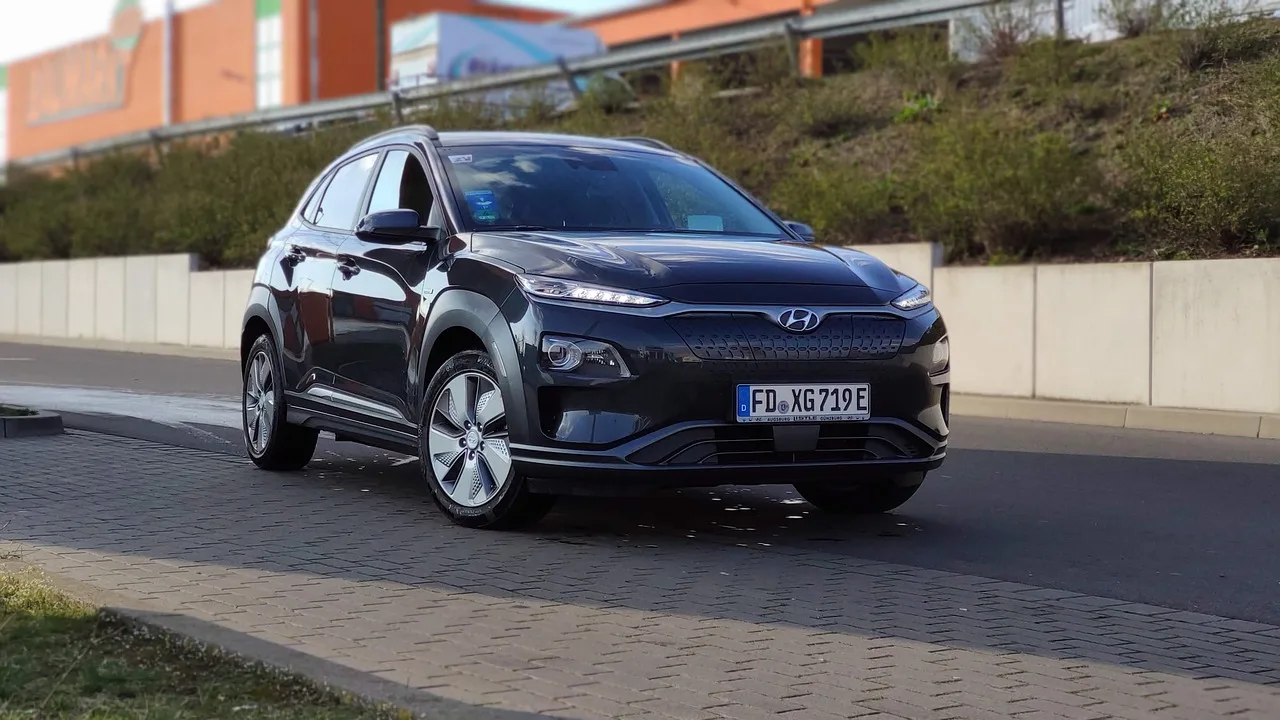






Major automotive manufacturers including Maruti Suzuki, Hyundai, Kia, Mahindra, and Tata are preparing to launch a new wave of sub-4-meter SUVs in India throughout 2024 and 2025. This strategic push aims to capture the rapidly growing demand for compact utility vehicles that capitalize on India’s unique tax structure, which offers lower excise duties for vehicles measuring under four meters in length.
The Strategic Significance of the Sub-4 Meter Segment
The sub-4-meter SUV segment currently accounts for a significant portion of total passenger vehicle sales in India. Manufacturers favor this category because it balances affordability with the rugged aesthetic and high ground clearance that Indian consumers prioritize. By keeping vehicle length below 4,000 mm and engine displacement below 1,200cc for petrol or 1,500cc for diesel, brands benefit from substantial tax incentives that translate into competitive showroom pricing.
Market Leaders and Upcoming Product Pipelines
Maruti Suzuki is reportedly developing new modular platforms to refresh its compact lineup, focusing on enhanced fuel efficiency and hybrid integration. Meanwhile, Hyundai and Kia are leveraging their shared architecture to introduce updated iterations of the Venue and Sonet, emphasizing advanced driver-assistance systems (ADAS) and premium cabin technology.
Tata Motors continues to focus on safety and electrification, with plans to expand its sub-4-meter portfolio to include more long-range EV variants. Mahindra is shifting its focus toward high-torque performance and off-road capability even within the compact constraints, targeting buyers who prioritize utility and brand heritage.
Expert Perspectives on Industry Trends
Industry analysts note that the competition is no longer just about size or price, but about feature parity. According to recent data from the Federation of Automobile Dealers Associations (FADA), consumers are increasingly demanding premium features like panoramic sunroofs, ventilated seats, and connected car technology in entry-level segments. This trend forces manufacturers to pack high-end electronics into smaller, more cost-sensitive vehicles.
Economic and Consumer Implications
For the average buyer, this intense rivalry among top manufacturers means more value for money. As brands fight for market share, they are forced to reduce profit margins to offer more aggressive pricing and better warranty packages. However, the shift toward higher feature density also suggests a gradual rise in average transaction prices, as base-model offerings become increasingly scarce in favor of mid-to-high-spec variants.
What to Watch Next
The next phase of this market battle will likely center on powertrain diversity, with an aggressive rollout of CNG and electric options expected across all major brands. Observers should monitor whether manufacturers can successfully introduce affordable hybrid technology into the sub-4-meter space, as fuel efficiency regulations tighten and urban congestion continues to drive the demand for smaller, more maneuverable vehicles.