



The Divergence of Screen Habits
Recent behavioral research suggests that while Americans spend record amounts of time in front of screens, the nature of that consumption is fundamentally changing, with passive entertainment like television reruns providing significantly better mental health outcomes than the active, high-anxiety habit of social media doomscrolling. As digital platforms increasingly utilize algorithmic feedback loops to keep users engaged, public health experts are distinguishing between the psychological effects of intentional, low-stakes viewing and the compulsive, often negative stimulation found on contemporary social media feeds.
The Evolution of Screen Consumption
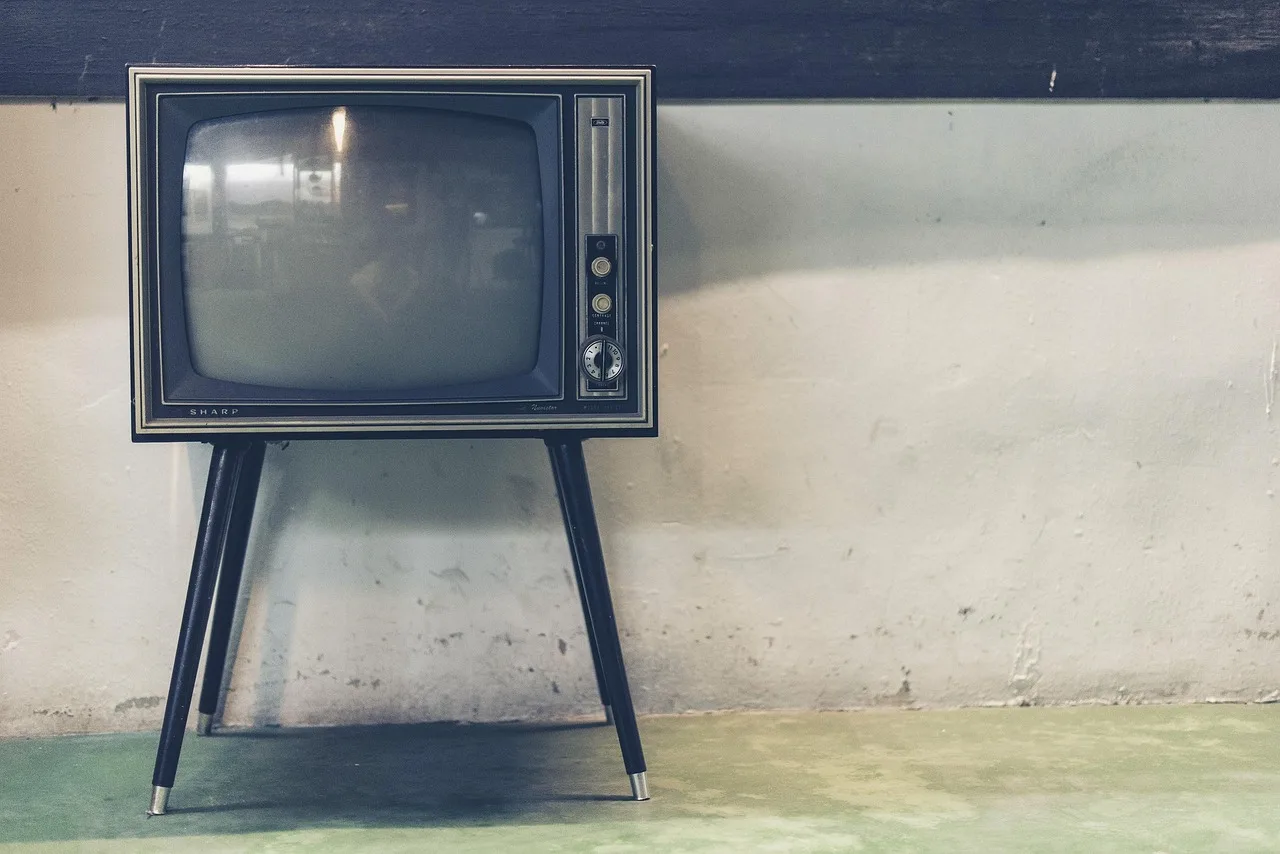
The concept of the “TV dinner” era, characterized by shared, predictable, and finite entertainment, stands in stark contrast to the modern digital landscape. Historically, television functioned as a communal or restorative activity, often providing a clear start and end point for viewer engagement. Conversely, social media platforms are engineered for infinite scroll, removing natural stopping cues and frequently exposing users to high-arousal content that triggers stress responses.
The Psychology of Passive Consumption
Psychologists note that passive viewing of familiar content—such as sitcom reruns—often acts as a form of “comfort viewing,” allowing the brain to enter a state of rest. This is distinct from the cognitive load required to navigate social media, where users are bombarded with fragmented information, social comparison, and often polarizing discourse. Dr. Sarah Jenkins, a behavioral analyst, explains that the lack of predictability on social media prevents the nervous system from fully decompressing, unlike the predictable narrative arcs of traditional television programs.
Data on Digital Well-being
Data from the Pew Research Center indicates that nearly 70% of social media users report feeling overwhelmed by the sheer volume of content they encounter daily. In contrast, studies on “comfort media” suggest that re-watching familiar shows can lower cortisol levels and provide a sense of stability. Unlike the algorithmic unpredictability of platforms like TikTok or X, the static nature of traditional media allows for a controlled environment, reducing the physiological “fight or flight” response often associated with doomscrolling.
Industry and Individual Implications
For the media industry, these findings represent a shift in how audiences value content; consumers are increasingly gravitating toward “comfort” libraries over the constant churn of new, high-intensity content. For the average user, the distinction serves as a roadmap for digital hygiene, suggesting that the quality of screen time is just as critical as the quantity. By setting boundaries around algorithmic consumption and prioritizing restorative viewing habits, individuals may be able to reclaim significant portions of their mental bandwidth.
Future Trends in Digital Consumption
Looking ahead, watch for a growing “analog-digital” hybrid trend, where tech-weary audiences seek out curated, finite content experiences that mimic the predictability of classic broadcast television. As the long-term mental health impacts of infinite-scrolling algorithms become more scrutinized by both regulators and users, the demand for “slow media” is likely to rise, forcing platforms to reconsider their engagement-at-all-costs design philosophies.