




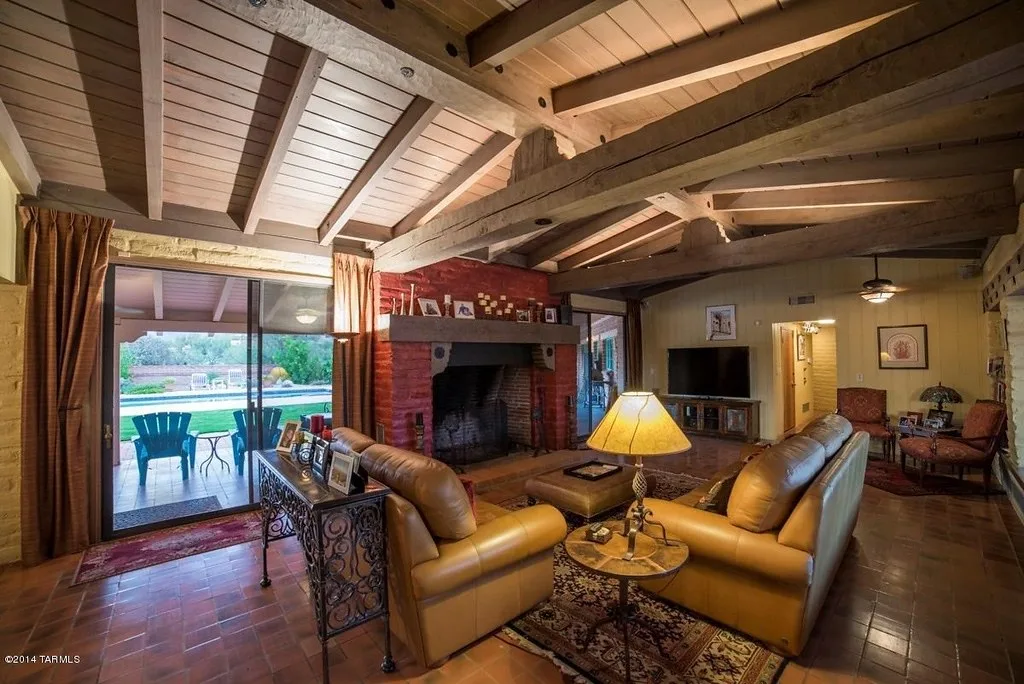
Television personality Mark Consuelos recently identified Palm Springs, California, as his primary retreat from the fast-paced environment of New York City. Citing the region’s distinct midcentury modern architecture and the ability to spend nearly every waking hour outdoors, Consuelos highlights a growing trend among urban professionals seeking respite in desert landscapes.
The Appeal of Midcentury Modernism
Palm Springs has long been recognized as a global epicenter for midcentury modern architecture, a style characterized by clean lines, large glass walls, and a seamless integration between indoor and outdoor living spaces. Developed largely between the 1940s and 1960s, these structures were designed to embrace the harsh, beautiful desert environment rather than insulate residents from it.
Architectural historians note that the desert climate allows for a unique lifestyle that is physically impossible in denser, colder urban centers like New York. The design philosophy of the era—pioneered by architects such as Richard Neutra and Donald Wexler—prioritizes natural light and ventilation, which aligns with modern wellness trends focused on biophilic design.
Shifting Preferences in Travel and Real Estate
The movement toward desert retreats reflects a broader shift in how high-net-worth individuals choose to spend their leisure time. Data from the luxury real estate sector indicates a steady increase in demand for homes that emphasize open-air layouts and proximity to nature, especially following the global pandemic.
Dr. Elena Rossi, an urban planning analyst, suggests that the psychological benefits of desert landscapes are becoming a primary driver for vacation property investments. “For individuals living in high-stimulation environments, the stark, minimalist aesthetic of the desert provides a meditative counterpoint that is highly sought after,” Rossi explained.
The Palm Springs market, in particular, has seen a consistent appreciation in property values as buyers compete for historically preserved homes. This demand has spurred a local renovation boom, with new owners prioritizing the restoration of original architectural features over modern expansions.
Industry and Lifestyle Implications
For the hospitality and design industries, this trend underscores a move away from traditional, enclosed luxury toward expansive, minimalist environments. Hotels and rental properties in the Coachella Valley are increasingly marketing their architectural provenance as a primary amenity, rather than just their proximity to local events or nightlife.
This shift also suggests that the future of luxury travel will continue to prioritize environmental harmony over sheer square footage. As travelers seek more intentional, restorative experiences, the focus on locations that offer both aesthetic significance and outdoor accessibility will likely intensify.
Looking ahead, industry observers expect to see more urban professionals investing in secondary properties that offer a stark departure from their daily lives. Watch for an increase in architectural tourism and a heightened focus on the preservation of mid-century aesthetics in desert regions as these areas continue to evolve from seasonal destinations into year-round retreats for the remote-work era.