





As artificial intelligence begins to reshape the labor market in 2024, displaced workers across the United States are increasingly testing the resilience of the nation’s aging unemployment insurance system. While the technology promises long-term productivity gains, the immediate impact of AI-driven workforce restructuring has triggered a surge in layoffs within the tech and professional services sectors, exposing significant gaps in government support programs that were designed for an industrial-era economy.
The Evolution of Displacement
The current wave of AI-related job losses represents a shift from historical automation trends. Unlike previous cycles that primarily targeted manufacturing, today’s displacement reaches deep into white-collar roles, including software engineering, copywriting, and data analysis.
According to data from Challenger, Gray & Christmas, thousands of job cuts in the last year have been explicitly attributed to AI implementation. This trend creates a unique challenge for state-level unemployment offices, which are currently struggling to process claims for a new demographic of highly skilled, high-wage workers who have never navigated the benefits system before.
Infrastructure Under Pressure
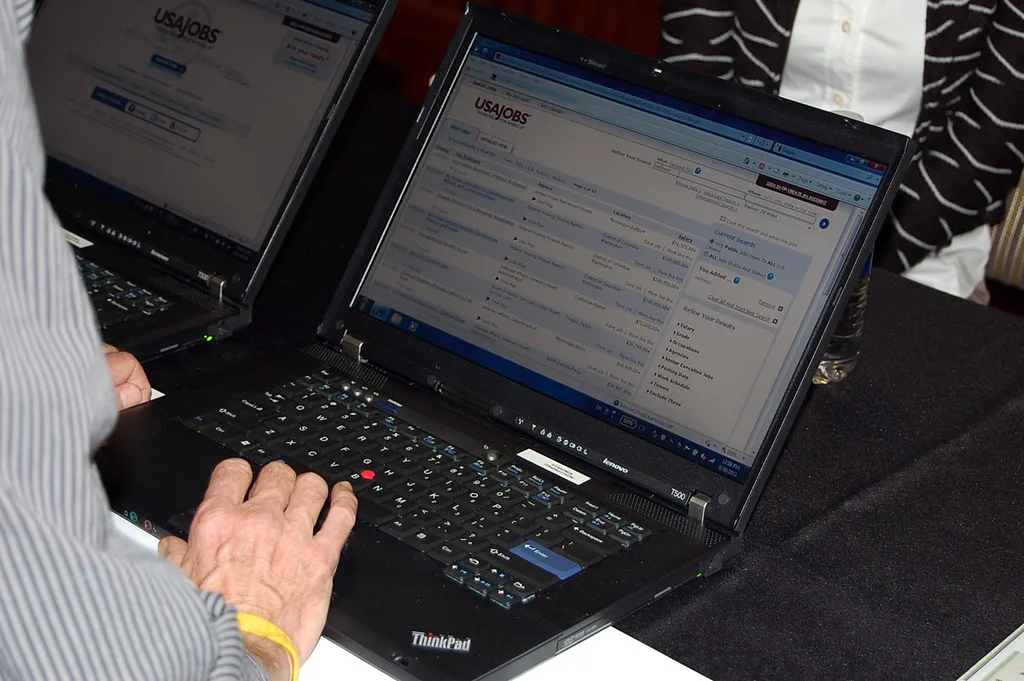
The U.S. unemployment system remains fragmented, with each state operating its own unique infrastructure and eligibility requirements. Economists note that these systems often rely on antiquated technology, leading to delays and administrative bottlenecks that exacerbate the financial stress of newly unemployed professionals.
Furthermore, the structure of current benefits is often insufficient for workers accustomed to high-tier salaries. While unemployment insurance is designed to provide a floor, the gap between traditional benefits and the specialized compensation packages of tech workers is wider than ever, leaving many households vulnerable to sudden income shocks.
Expert Perspectives on Labor Market Resilience
Labor market analysts suggest that the primary issue is not just the number of layoffs, but the speed at which AI facilitates these transitions. As companies aggressively adopt generative AI, they are bypassing traditional hiring pipelines and restructuring departments in a matter of months rather than years.
“The safety net was built for a world where people stayed in industries for decades,” says one leading labor economist. “We are now seeing a velocity of change that the current policy framework simply cannot match, leading to a mismatch between current assistance and the needs of a modern, agile workforce.”
The Future of Workforce Protection
The immediate implication for the labor market is a growing demand for portable benefits and updated retraining programs. Policymakers are now debating whether to expand the duration of unemployment benefits or provide tax incentives for companies that prioritize internal upskilling over outright layoffs.
Moving forward, the focus will likely shift toward the efficacy of state-level unemployment systems in handling rapid, sector-specific shocks. Industry observers are watching closely to see if federal intervention becomes necessary to standardize support as AI adoption accelerates across the broader economy. Observers should monitor upcoming legislative sessions for potential shifts in policy regarding worker displacement protections and retraining mandates.