




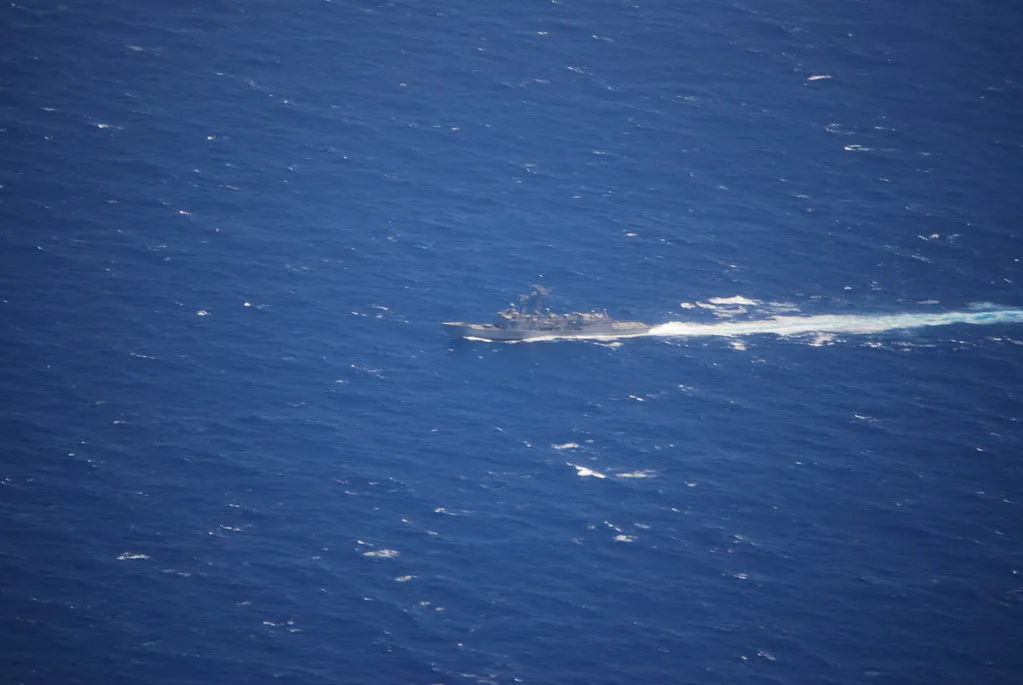
A Suezmax tanker carrying Iraqi crude oil successfully navigated the Strait of Hormuz this week, arriving in the Gulf of Oman while bound for India as the ongoing West Asia conflict enters its 12th week. While commercial shipping continues to traverse this critical maritime chokepoint, traffic volumes remain significantly depressed compared to pre-war levels, underscoring the persistent volatility in global energy logistics.
Context of the Maritime Blockade
The Strait of Hormuz serves as the world’s most important oil transit chokepoint, with roughly one-fifth of the world’s total oil consumption passing through its narrow waters. Since the onset of the current regional conflict, the waterway has become a central theater of geopolitical brinkmanship, with Iran maintaining a de facto blockade.
Tehran has explicitly linked the reopening of unrestricted passage through the strait to a set of five conditions, including a formal international recognition of its sovereignty over the waterway. Despite high-level diplomatic pressure and assertions from U.S. leadership regarding potential de-escalation, there have been no observable shifts in Iran’s tactical posture on the ground or at sea.
Fluctuating Traffic Patterns
Ship-tracking data compiled by Bloomberg reveals the instability characterizing the region’s maritime activity. Daily vessel movements through the strait dropped to five on Friday—a sharp decline from the 11 vessels recorded just 24 hours earlier—before recovering slightly to six on Saturday morning.
The Suezmax tanker ‘Karolos’ serves as a primary case study for these high-stakes transits. Identified by data analytics firm Kpler as carrying Iraqi crude loaded at the Basra terminal between May 10 and May 11, the vessel was spotted fully loaded in the Gulf of Oman on Thursday. Satellite imagery from the European Union’s Sentinel-2 program confirmed the tanker’s identity by matching its dimensions and signature to the vessel seen at the Basra loading buoys.
Ongoing Regional Disruptions
The movement of the ‘Karolos’ is not an isolated indicator of the current maritime environment. Other vessels are facing more direct interventions or forced operational changes as the conflict persists.
The crude tanker ‘Agios Fanourios I,’ previously detained by U.S. authorities while transporting Iraqi oil to Vietnam, remains anchored in the Gulf of Oman. Simultaneously, the very large crude carrier ‘Kiara M’ appears to have engaged in a ship-to-ship cargo transfer near Oman after departing Basra, a maneuver often employed to circumvent logistical bottlenecks or regional restrictions.
Implications for Global Energy Markets
For the global energy industry, the sustained reduction in traffic through the Strait of Hormuz poses a continuous risk to supply chain reliability. As long as the waterway remains a bargaining chip in regional negotiations, volatility in shipping insurance premiums and freight rates is expected to persist.
Market observers are now closely monitoring whether the limited transit of tankers like the ‘Karolos’ signals a fragile new normal or an unsustainable anomaly. The primary focus for the coming weeks will remain on the diplomatic deadlock between Washington and Tehran, as any escalation in the rhetoric surrounding maritime sovereignty could lead to further, more restrictive measures that would fundamentally tighten global oil supply chains.