



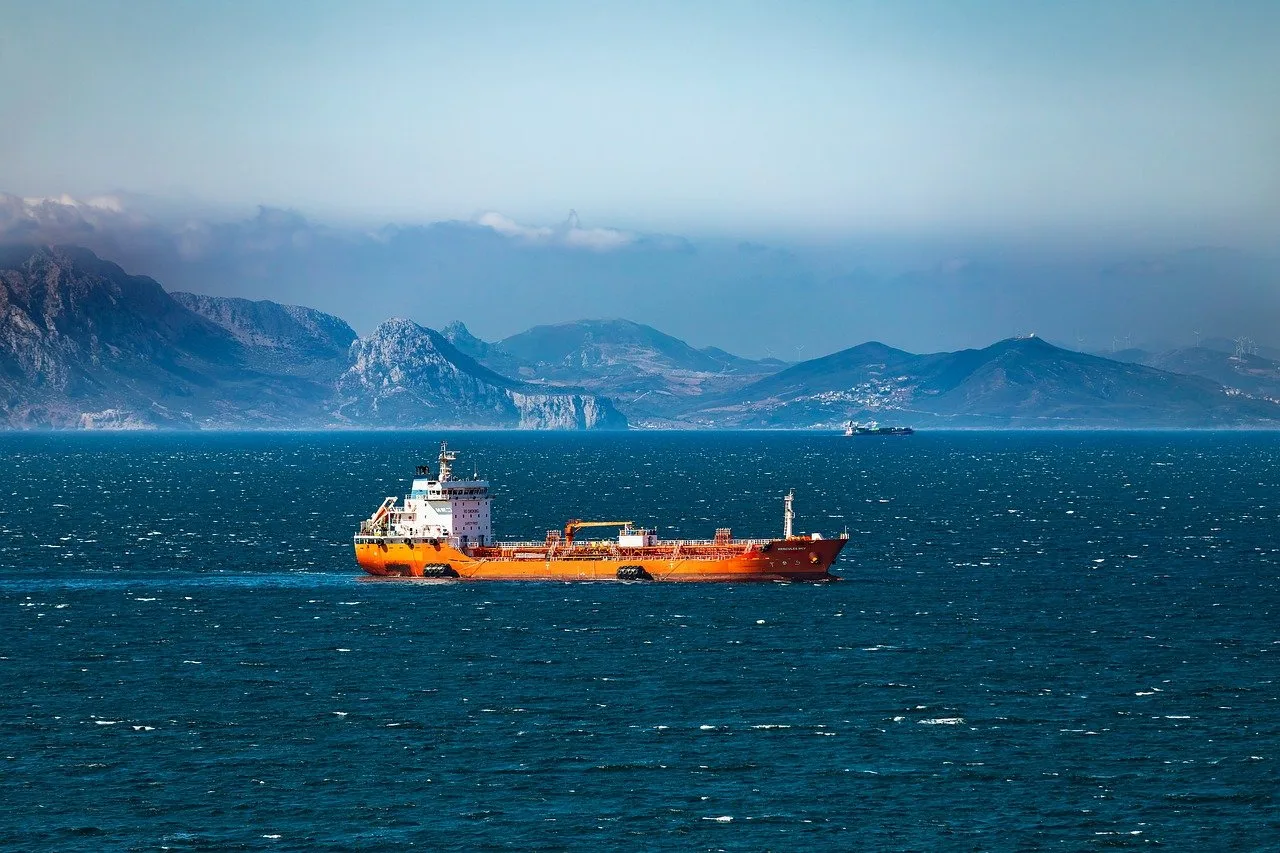
A single Qatari liquefied natural gas (LNG) tanker began its transit through the Strait of Hormuz on Tuesday, marking the first sign of movement in a critical energy chokepoint that had been paralyzed by recent military clashes. This departure coincides with an aggressive push by U.S. President Donald Trump to secure the immediate reopening of the waterway, which serves as the conduit for roughly one-fifth of the world’s daily oil and gas supply.
The Strategic Significance of Hormuz
The Strait of Hormuz is widely considered the world’s most important oil chokepoint, connecting Persian Gulf producers to markets in Asia, Europe, and North America. Recent geopolitical escalations in the region have effectively halted observable commercial shipping, triggering sharp spikes in global energy futures and raising alarms among international trade regulators.
The waterway’s narrow width makes it uniquely vulnerable to blockades, whether through military action or regional political maneuvering. Historically, any disruption in this corridor ripples instantly through global financial markets, impacting fuel prices and industrial supply chains.
Diplomatic and Military Maneuvers
President Trump has signaled that the administration is prioritizing the restoration of transit through the strait at any cost, citing the global necessity of stable energy markets. The U.S. remains in active communication with regional allies to de-escalate tensions and provide security guarantees for commercial vessels attempting to navigate the passage.
Military analysts note that while the Qatari tanker’s movement is a positive indicator, it remains unclear whether this represents a broader de-escalation or a calculated exception permitted by regional actors. Intelligence reports indicate that naval assets from several nations remain on high alert in the surrounding waters, monitoring the situation for further volatility.
Industry and Economic Implications
The energy sector is currently bracing for sustained volatility, as traders weigh the risk of a prolonged maritime shutdown against the potential for diplomatic breakthroughs. Industry experts from the International Energy Agency (IEA) suggest that even a short-term closure of the strait could lead to a significant inventory draw, particularly for nations heavily reliant on Middle Eastern exports.
Shipping companies are already adjusting insurance premiums to account for the heightened risk of transit. These increased costs are expected to be passed down to end-users, potentially adding inflationary pressure to the global economy if the standoff persists throughout the upcoming quarter.
Future Outlook and Monitoring
Market participants are now closely monitoring the status of other vessels currently anchored near the entrance of the gulf to see if they follow the Qatari tanker’s lead. The success or failure of these subsequent transits will likely dictate the next phase of the U.S. diplomatic strategy and the overall stability of global energy pricing for the remainder of the year.
Observers should watch for official statements from the U.S. State Department regarding security protocols, as well as any shifts in maritime insurance rates that could signal a return to normalcy or a deepening of the crisis.