








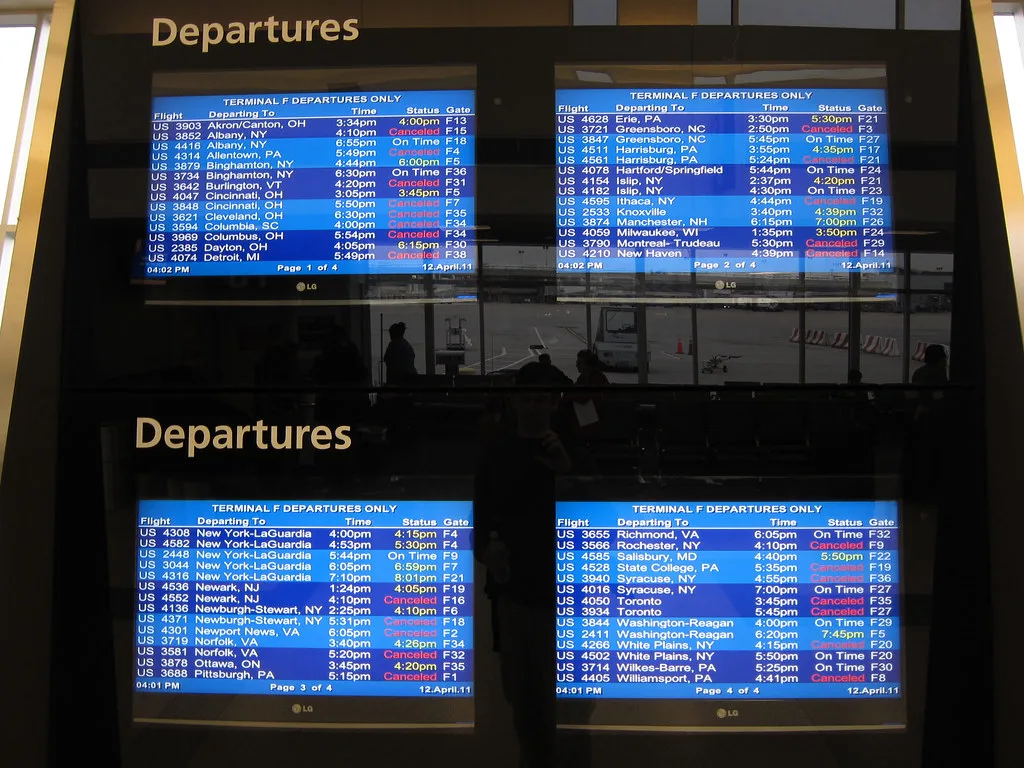
Spirit Airlines has officially ceased all flight operations as of this week, leaving thousands of passengers stranded and industry analysts assessing the collapse of the prominent low-cost carrier. The airline, which filed for bankruptcy protection earlier this year, could not secure the necessary financial restructuring to continue service, forcing the immediate cancellation of all scheduled flights across its domestic and international network.
The Road to Insolvency
The shutdown follows a prolonged period of financial instability for the Miramar-based airline. Despite attempts to pivot its business model and negotiate mergers with competitors, Spirit struggled to overcome the dual pressures of rising operational costs and a significant decline in post-pandemic travel demand for ultra-low-cost segments.
Industry experts note that the airline was hit hardest by persistent engine supply chain issues that grounded a portion of its fleet. These logistical hurdles, combined with high debt obligations, created a liquidity crisis that ultimately proved insurmountable for the carrier’s leadership team.
Impact on Passengers and Rebooking Efforts
For travelers holding tickets, the current situation requires immediate action. The U.S. Department of Transportation has issued guidance urging passengers to contact their credit card companies for potential chargebacks, as the airline’s own refund processing systems are currently non-functional.
Major legacy carriers have begun implementing “distressed traveler” fares to assist those stranded, though these remain subject to seat availability. Travelers are advised to monitor official government travel portals for updates on potential interline agreements, which historically facilitate the transfer of passengers to other airlines during a total carrier collapse.
Market Shifts and Industry Consequences
The departure of a major player like Spirit creates a significant vacuum in the aviation market. Analysts from the aviation consultancy firm OAG suggest that ticket prices on popular routes previously dominated by Spirit are likely to rise as capacity decreases across the industry.
“The loss of an ultra-low-cost carrier fundamentally changes the competitive dynamics for regional travel,” said aviation analyst Marcus Thorne. “We expect to see legacy airlines reassess their pricing strategies in hubs where Spirit previously acted as a primary price anchor.”
Looking Ahead: What to Monitor
Regulatory bodies are now turning their attention to the long-term impact on airline competition and consumer protection laws. Legislative debates regarding mandatory insurance for airline bankruptcy are expected to gain momentum in the coming months as lawmakers respond to the public outcry over the shutdown.
Travelers should watch for announcements regarding the potential sale of Spirit’s remaining assets, including its fleet and gate leases. These transactions will determine which surviving airlines may absorb Spirit’s routes, potentially offering a path toward stabilizing fares in the affected markets by the next fiscal quarter.