





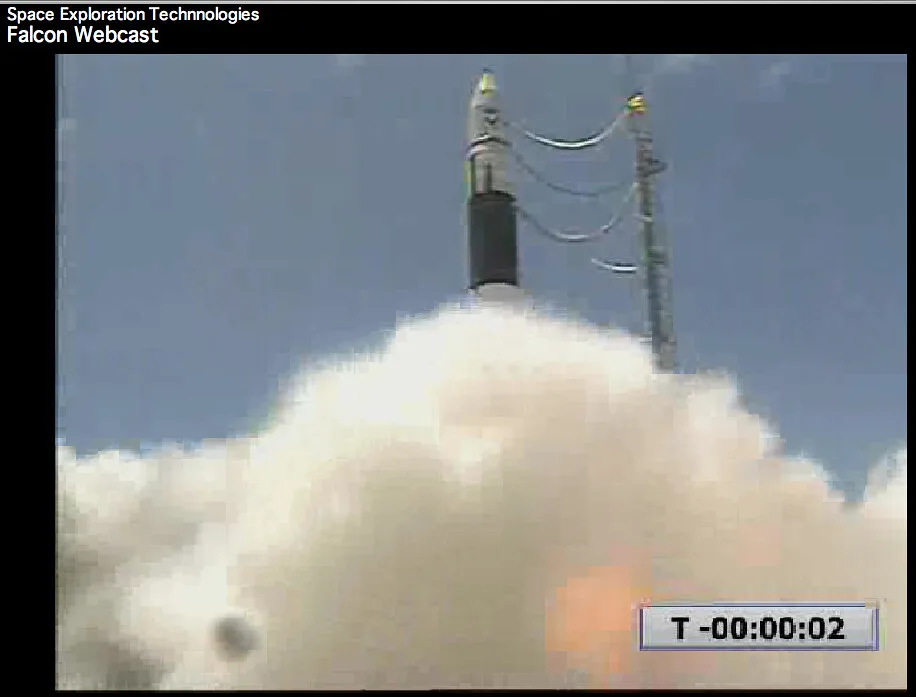
SpaceX, the aerospace titan led by Elon Musk, is reportedly fast-tracking plans to launch an initial public offering (IPO) on the Nasdaq exchange, with a target listing date as early as June 12. The company aims to raise approximately $75 billion, a move that would value the space exploration firm at an estimated $1.75 trillion. This potential offering stands to become one of the largest public market entries in recent history, signaling a significant shift in the capital-intensive aerospace sector.
The Context of a Private Giant
For two decades, SpaceX has operated as a private entity, fundamentally changing the economics of space flight through its reusable rocket technology. By successfully lowering the cost of reaching orbit, the company has secured a dominant position in satellite deployment and government contracts. Despite its massive footprint, the firm has remained shielded from the quarterly scrutiny of public shareholders, allowing Musk to pursue long-term, high-risk projects like the Starship launch system.
Market Timing and Economic Strategy
The decision to pursue a June listing comes amid a broader recovery in the IPO market, which saw a cooling period throughout 2023. Financial analysts point to a renewed investor appetite for high-growth technology stocks as a primary driver for this timeline. A $75 billion raise would provide the liquidity necessary to accelerate ambitious goals, including the colonization of Mars and the expansion of the Starlink satellite internet constellation.
Expert Perspectives on Valuation
Market analysts suggest that a $1.75 trillion valuation would place SpaceX among the most valuable companies in the world, rivaling tech giants like Amazon and Alphabet. While some skeptics express concern over the inherent volatility of space-based assets, proponents argue that the company’s near-monopoly on heavy-lift launch capabilities provides a unique moat. According to sector data, the global space economy is projected to reach $1.8 trillion by 2035, underscoring the long-term growth thesis for early investors.
Industry Implications
An IPO of this magnitude will likely force competitors to re-evaluate their own funding strategies. The influx of capital into SpaceX could accelerate the development of the Starship program, potentially disrupting commercial aviation and global telecommunications infrastructure. Furthermore, the listing will provide public investors with direct exposure to the burgeoning space economy, a sector previously limited to venture capital and institutional private equity.
Looking Ahead
Market participants are now closely monitoring regulatory filings and potential volatility leading up to the June window. The success of this offering could set a benchmark for future space industry valuations, potentially triggering a wave of secondary listings from other aerospace startups. Observers will be watching for details on how SpaceX plans to balance the aggressive R&D spending required for deep-space exploration with the profit expectations of public market shareholders.