


The Currency Crisis and Economic Reality
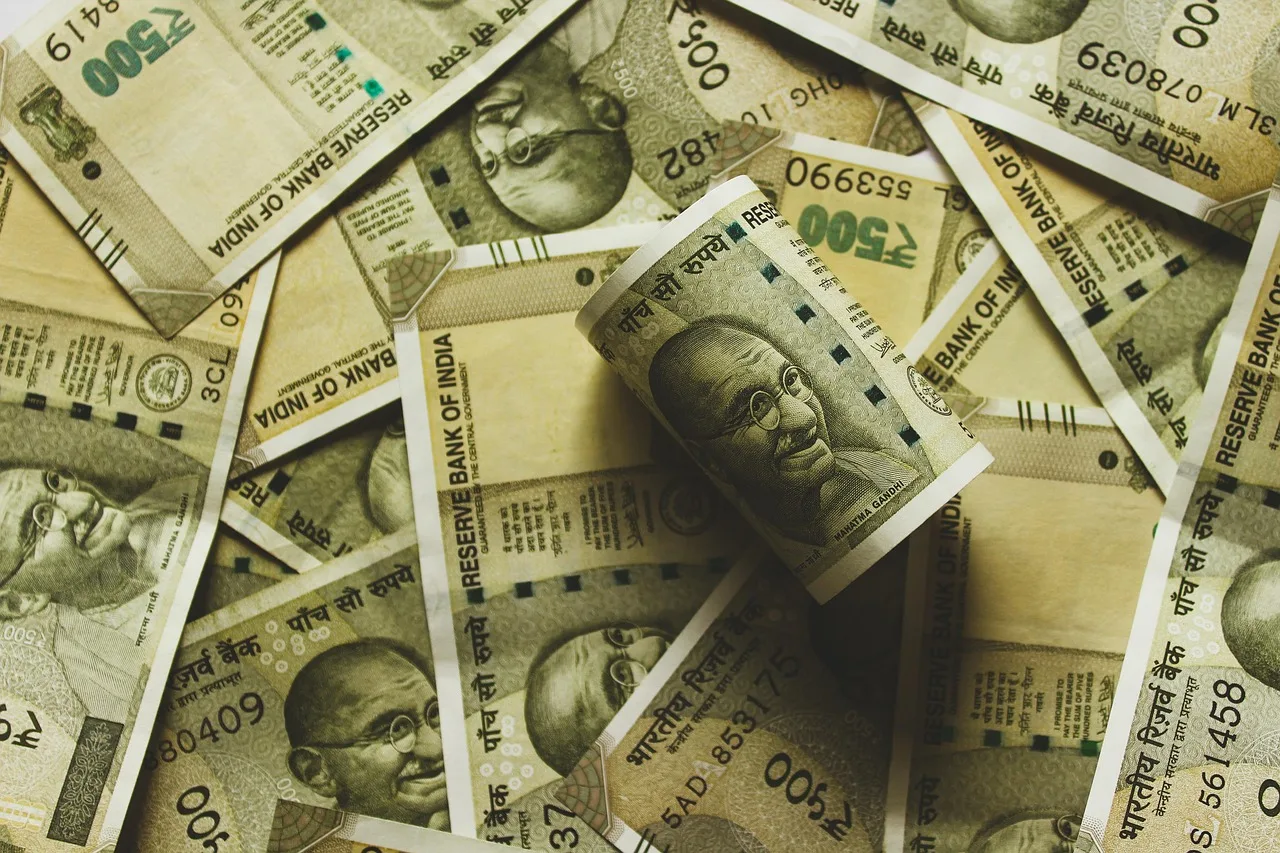
The Indian rupee recently hit a record low against the US dollar, triggering a wave of concern among market participants and policymakers regarding the nation’s economic stability. While active intervention by the Reserve Bank of India (RBI) spurred a partial recovery—strengthening the currency below the 96-per-dollar mark by late May—analysts suggest this volatility is a symptom of deeper systemic issues. The central bank’s recent sales of dollar reserves have managed to curb immediate panic, yet the underlying pressures of energy dependence and cooling investor sentiment remain significant hurdles.
Contextualizing the Structural Downturn
Beyond the immediate geopolitical shocks emanating from West Asia, the rupee’s decline reflects a long-term erosion of domestic growth prospects. Economists, including former Chief Economic Advisor Arvind Subramanian, argue that the market is reacting to a stagnation in private corporate investment. Data indicates that private investment, which once reached 17 percent of GDP in the early 2000s, has plummeted to nearly half that level today, signaling a lack of confidence in the nation’s medium-term economic trajectory.
The Debate Over Currency Intervention
A critical divergence has emerged among economic experts regarding the appropriate policy response to currency depreciation. While the RBI has focused on stabilizing the rupee to prevent excessive volatility, figures such as former NITI Aayog Vice Chairman Arvind Panagariya suggest that aggressive defense of the currency may be counterproductive. Proponents of this view argue that the psychological barrier of 100 rupees per dollar is arbitrary and that the economy might benefit from allowing the currency to find its natural market value.
Energy Dependence and Competitive Exports
India’s heavy reliance on energy imports makes it particularly vulnerable to global price fluctuations. As oil prices hover near the USD 100 per barrel threshold, the import bill places immense pressure on foreign exchange reserves. Some economists suggest that a weaker rupee could actually serve as a strategic tool to boost Indian export competitiveness. By allowing a gradual depreciation, India could potentially align its export pricing more closely with regional peers like China, thereby fostering a more robust manufacturing sector.
Future Implications for the Indian Economy
The stabilization of the rupee in the near term provides only a temporary reprieve from the structural adjustments required for long-term growth. The focus for policymakers must shift from purely managing currency fluctuations to incentivizing a revival in private corporate investment. Without a sustained increase in capital expenditure by the private sector, the economy risks continued stagnation regardless of currency valuation. Observers should monitor upcoming central bank policy meetings and private investment data to determine if the government can successfully pivot from protective monetary measures to growth-oriented structural reforms.