





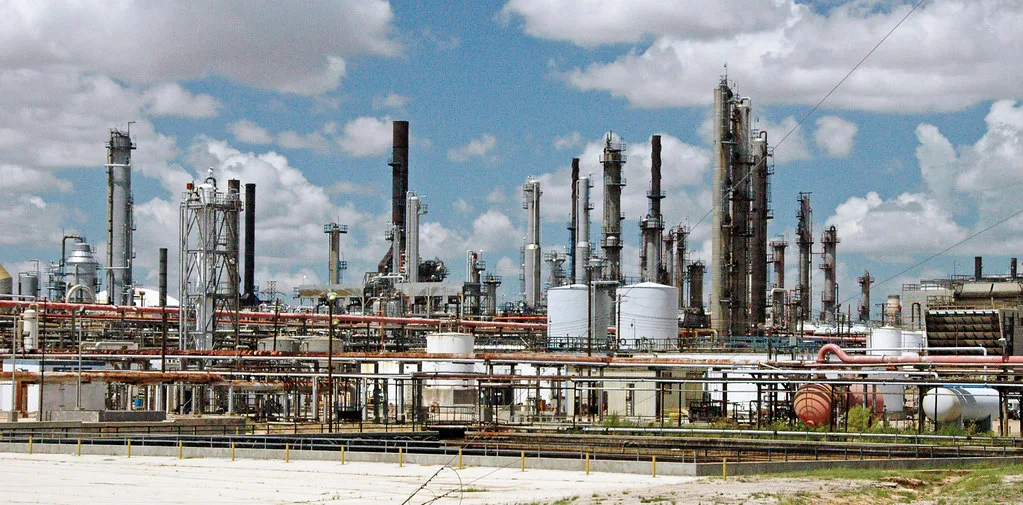
Reliance Industries Limited (RIL) announced plans this week to conduct a scheduled maintenance shutdown at one of its major refinery units in Jamnagar, Gujarat. The maintenance cycle, slated to begin in the coming weeks, is part of a periodic operational strategy designed to ensure long-term facility efficiency and safety compliance.
The move comes as the global energy sector faces ongoing volatility, with Reliance aiming to balance domestic production requirements against current supply chain fluctuations. By performing these upgrades now, the company seeks to mitigate potential operational risks and optimize refining output for the remainder of the fiscal year.
Understanding the Maintenance Cycle
Refineries are complex industrial facilities that require rigorous, routine inspections to maintain safety standards and operational integrity. These shutdowns, often referred to as turnarounds, involve shutting down specific processing units to perform inspections, repairs, and technological upgrades that cannot be conducted while the plant is active.
For a facility as large as the Jamnagar refinery complex, which ranks among the largest in the world, such maintenance is a massive logistical undertaking. It involves thousands of contractors, specialized equipment, and precise coordination to ensure that the disruption to the broader supply chain remains minimal.
Balancing LPG Supply and Market Demand
A primary driver for the timing of this shutdown is the necessity to navigate current Liquefied Petroleum Gas (LPG) supply challenges. Reliance remains a critical player in the Indian energy market, and any reduction in output necessitates careful inventory management to prevent domestic shortages.
Energy analysts suggest that the company is likely pulling forward or delaying certain non-critical maintenance tasks to align with seasonal demand patterns. By synchronizing the downtime with periods of predictable consumption, the company minimizes the impact on its commercial and industrial clients.
Expert Perspectives on Energy Infrastructure
Industry experts note that such maintenance is a sign of a disciplined operational strategy rather than a cause for market alarm. According to recent data from the International Energy Agency (IEA), global refineries are increasingly prioritizing high-efficiency turnaround cycles to combat rising maintenance costs and aging infrastructure.
“Scheduled maintenance is the backbone of refinery reliability,” says an analyst from a leading energy consulting firm. “In an era of high energy demand, companies that fail to invest in the preventive maintenance of their processing units risk significant unplanned outages, which are far more costly and disruptive than planned ones.”
Broader Industry Implications
For the petrochemical and energy sectors, the Reliance shutdown serves as a bellwether for regional supply stability. As the company manages its internal assets, domestic energy prices and local supply chains will be closely monitored by stakeholders for signs of tightening.
Investors and industry observers should watch for how Reliance manages its inventory stockpiles in the lead-up to the shutdown. The ability to maintain steady deliveries while a unit is offline will determine the company’s resilience in the face of shifting global crude oil prices and regional logistical bottlenecks.
Looking ahead, the focus remains on the duration of the shutdown and the potential for any extensions that could tighten regional fuel availability. As the energy transition continues to pressure traditional refining margins, the efficiency gains realized from this maintenance will be critical for maintaining the company’s competitive edge in the global market.