




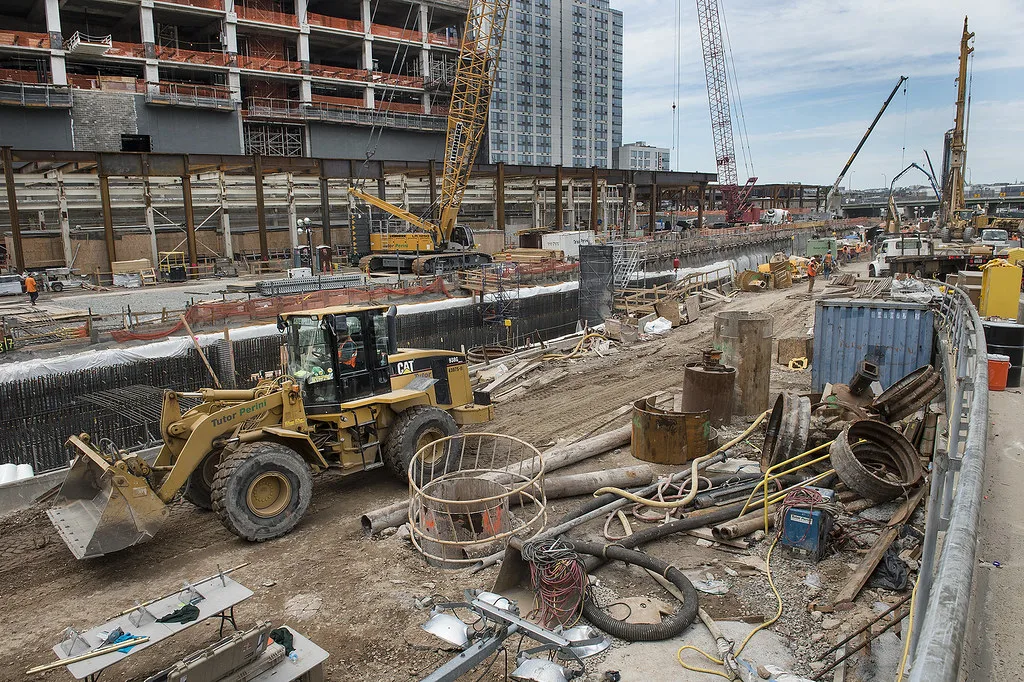
Slowdown in Infrastructure Execution
The Indian construction equipment industry faced a significant headwind in fiscal year 2026 as project delays hindered domestic demand, according to the latest report from the Indian Construction Equipment Manufacturers Association (ICEMA). While the sector grappled with sluggish local growth, manufacturers found a critical buffer in international markets, which saw a robust 32% increase in export volumes during the same period.
Contextualizing the Construction Climate
The construction equipment industry serves as a primary barometer for the health of India’s infrastructure sector. Over the past several quarters, the industry has contended with a deceleration in project execution, often attributed to prolonged administrative bottlenecks, land acquisition hurdles, and seasonal weather disruptions. These factors have forced contractors to defer the procurement of new machinery, resulting in a cooling effect on domestic sales figures.
Shifting Market Dynamics
Despite the domestic stagnation, the 32% surge in exports highlights a strategic pivot by domestic manufacturers toward global markets. Industry analysts suggest that Indian-made equipment is gaining traction in emerging economies where cost-effective and rugged machinery is in high demand. This shift has allowed OEMs to maintain production levels despite the domestic demand gap, effectively diversifying their revenue streams.
However, the reliance on exports does not fully offset the loss of domestic momentum. Heavy machinery such as excavators, backhoe loaders, and motor graders are currently seeing lower turnover rates at local project sites. This decline is particularly evident in large-scale government-led infrastructure initiatives, where capital expenditure cycles have been extended beyond initial projections.
Industry Perspectives and Data Analysis
Market experts observe that the current environment is defined by a wait-and-see approach among major construction firms. Data from ICEMA indicates that while order books remain substantial, the conversion of these orders into active construction sites has slowed significantly. Financial analysts point out that the high-interest-rate environment has further compounded the issue, as financing costs for heavy equipment have risen, impacting the liquidity of smaller contractors.
Implications for the Sector
The immediate implication for the industry is a period of consolidation, where manufacturers must prioritize operational efficiency to navigate thin margins. For domestic contractors, the delayed procurement of machinery could lead to a backlog of project completion timelines, potentially triggering penalty clauses in government contracts if execution does not accelerate in the coming quarters.
Looking ahead, stakeholders are closely monitoring the government’s budgetary allocations and project clearance speed for the next fiscal year. Industry observers suggest that a recovery in domestic demand hinges on the resolution of bottlenecks in project implementation and the easing of credit conditions for construction firms. The sector’s resilience will likely be tested as it seeks to balance the growing export success with the recovery of its primary domestic market.