




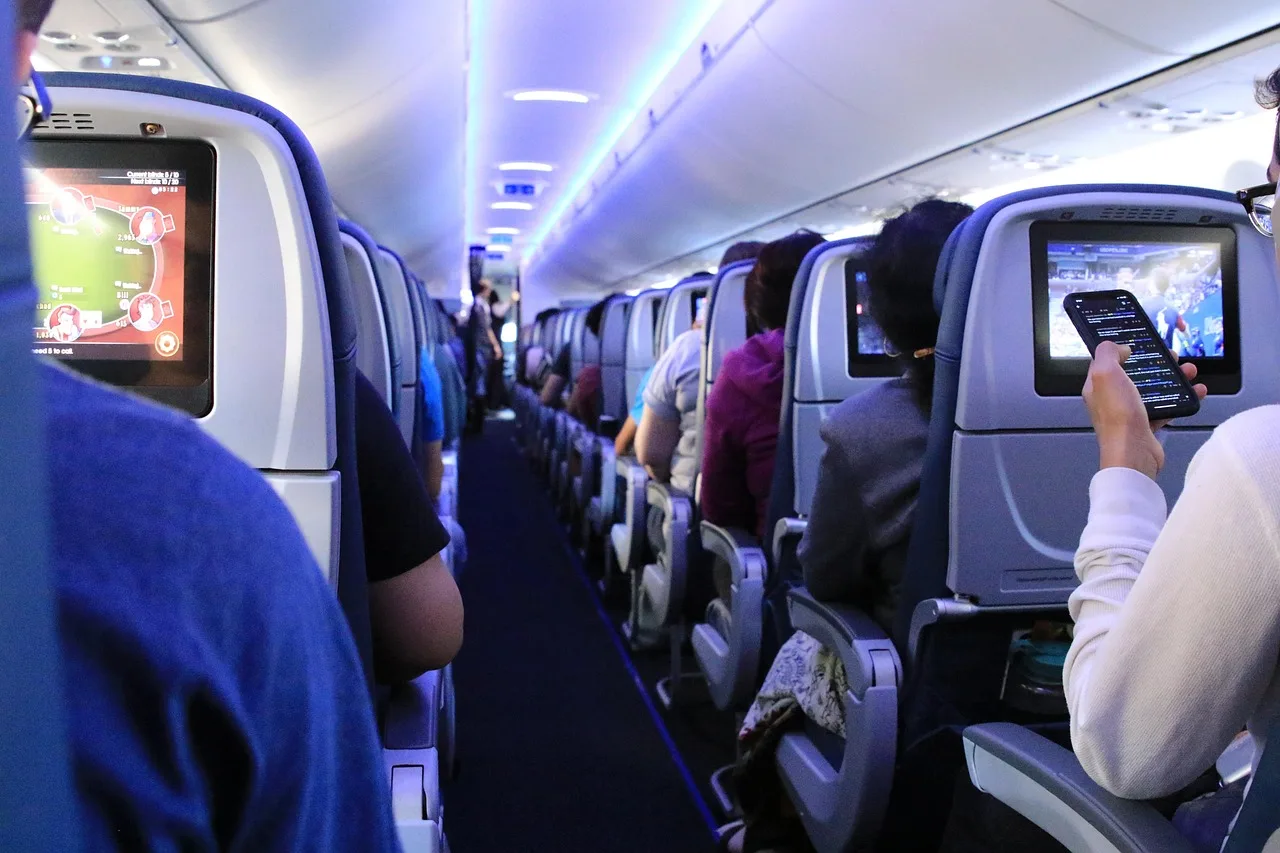
A United Airlines passenger recently ignited a debate regarding airline accountability after receiving minimal compensation for a malfunctioning business-class seat on a 14-hour international flight. The traveler, who paid $7,300 for a lie-flat experience, found her seat jammed in a horizontal position for the duration of the journey, rendering it largely unusable for upright dining or work. This incident, occurring on a long-haul route, has brought renewed scrutiny to how major carriers handle service failures in high-cost premium cabins.
The Evolution of Airline Compensation Policies
In the aviation industry, compensation for mechanical failures is rarely mandated by law, unlike flight cancellations or significant delays which fall under specific Department of Transportation (DOT) regulations. Airlines typically treat seat malfunctions as a customer service issue rather than a contractual breach of service. Consequently, passengers are often at the mercy of internal airline policies, which frequently result in modest travel credits or loyalty point vouchers rather than cash refunds.
Analyzing the Value Gap
The core of the dispute lies in the disparity between the premium price paid for a specific product—the lie-flat seat—and the reality of the service delivered. While the aircraft safely transported the passenger to her destination, the loss of the primary value proposition of business class raises questions about partial refunds. Industry analysts suggest that when a core amenity is unavailable, the airline’s duty to provide a commensurate discount becomes a matter of brand integrity.
Expert Perspectives and Industry Standards
Consumer advocacy groups, such as the Flyers Rights organization, have long argued that airlines should implement standardized compensation tables for broken equipment. According to recent data from the Bureau of Transportation Statistics, passenger complaints regarding in-flight amenities have risen by 15% over the past two years. Aviation consultant Mark Miller notes that while airlines are not legally obligated to provide specific cash payouts for broken seats, failing to do so creates significant reputational risk in a highly competitive market.
Broader Implications for Business Travelers
For the average traveler, this situation underscores the importance of documenting service failures in real-time. Airlines are more likely to respond to formal, evidence-backed complaints submitted immediately following a flight than to retroactive claims filed weeks later. Furthermore, as premium cabin prices continue to climb, passengers are becoming increasingly vocal about demanding service that matches the financial investment.
What to Watch Next
Industry observers are now monitoring whether the Department of Transportation will move to expand consumer protection rules to cover onboard amenities. If regulatory pressure increases, airlines may be forced to adopt more transparent refund tiers for broken equipment. Until such policies are formalized, travelers should expect continued friction between corporate compensation limits and the expectations of high-paying premium passengers.