




The OPEC+ coalition, representing a group of the world’s most influential oil-producing nations, officially authorized a fourth consecutive increase in production quotas during their latest ministerial meeting this week. This policy shift follows the strategic closure of the Strait of Hormuz, a critical maritime chokepoint, which sent global energy markets into a period of heightened volatility. By opting to raise output, the alliance aims to stabilize supply chains and temper the inflationary pressures currently impacting global economies.
Contextualizing the Supply Shift
The Strait of Hormuz serves as the primary artery for global crude oil transit, with roughly one-fifth of the world’s daily consumption passing through its narrow waters. Recent geopolitical tensions resulting in the closure of this passage forced a significant reassessment of energy security among member states. OPEC+ has historically managed supply to influence price floors, but the current logistical bottleneck has necessitated a move toward volume expansion to prevent severe supply deficits.
Analyzing the Market Response
Energy analysts suggest that the decision to increase quotas is a calculated response to mitigate the risk of a prolonged price surge. By signaling a commitment to higher production levels, the group intends to reassure importing nations that global demand can still be met despite the restricted maritime access. However, the move has triggered a mixed reaction across trading floors as market participants weigh the increased volume against the persistent risks of transportation delays.
Data from the International Energy Agency (IEA) confirms that global inventories remain tighter than historical averages. This scarcity, combined with the unpredictability of regional logistics, has kept crude benchmarks elevated. The decision to increase output by several hundred thousand barrels per day is designed to bridge this gap, though some observers argue it may not be sufficient if the Strait remains closed for an extended period.
Expert Perspectives
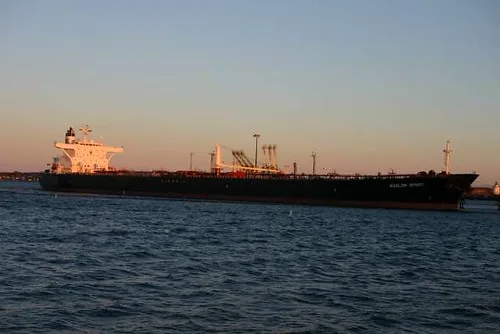
Industry experts note that while the quota hike is a positive gesture, the actual delivery of these barrels depends heavily on alternative infrastructure. “The challenge isn’t just the quota; it is the physical ability to move that oil to market without the primary maritime route,” stated a senior analyst at a leading global energy consultancy. While member nations are eager to capture higher revenues from increased sales, the operational reality of rerouting tankers remains a significant barrier to immediate relief.
Broader Industry Implications
The ongoing adjustments by OPEC+ signal a shift toward a more proactive management style in the face of geopolitical disruption. For the broader industry, this means that energy companies must now integrate geopolitical risk modeling into their daily operations more aggressively than in previous decades. Investors are being advised to watch for further updates from the coalition, as the frequency of these meetings suggests that the group is prepared to adjust its stance on a month-to-month basis.
Looking ahead, market participants should closely monitor tanker movement data and regional maritime security updates. Any further escalation near the Strait of Hormuz could force OPEC+ to accelerate its production increases or, conversely, lead to a supply shock that current quotas cannot fully offset. The upcoming quarter will be defined by whether these production hikes successfully dampen volatility or if the underlying logistical constraints continue to dictate market trends.