









The Shift in India’s Automotive Landscape
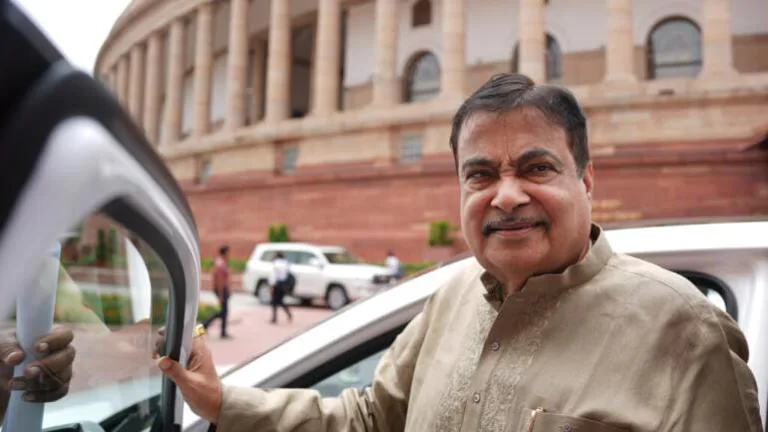
Nitin Gadkari, the Union Minister for Road Transport and Highways, has highlighted a pivotal moment in India’s automotive industry. His remarks concerning the imminent phase-out of petrol and diesel vehicles serve as a reflection of the evolving global landscape influenced by geopolitical tensions and fuel supply challenges. These factors have compelled policymakers and industry leaders to contemplate a more sustainable approach to transportation.
The increasing volatility in oil prices, partly stemming from international conflicts and trade disputes, creates uncertainty in fuel supply. As a result, the dependency on fossil fuels becomes a pressing concern, not only for the economy but also for the environment. This situation amplifies the urgency to transition towards alternative energy sources, fostering the development of electric vehicles (EVs), hydrogen fuel cells, and biofuels.
In light of these developments, India faces a crucial challenge in redefining its automotive landscape. The government’s readiness to embrace cleaner energy solutions suggests a significant shift from traditional combustion engines towards more sustainable practices. This shift aims to mitigate the detrimental effects of climate change while simultaneously reducing reliance on imported fuels. Such a transition will not only enhance energy security but also cater to the growing global demand for low-emission vehicles.
The automotive sector is at the crossroads of innovation and sustainability. Manufacturers are being encouraged to invest in research and development of cleaner technologies that align with both governmental policies and global trends. The recent initiatives indicate that India’s automotive future is poised to harness the potential of greener alternatives, steering away from the reliance on petrol and diesel fuels.
By acknowledging the critical role of alternative energy in driving the industry forward, India aims to foster a modern automotive ecosystem that aligns with international sustainability standards. The next steps in this transition are essential for the country’s economic stability and environmental future.
Gadkari’s Warning: No Future for Petrol and Diesel Vehicles
At the recent Busworld India 2026 summit, Nitin Gadkari, the Union Minister for Road Transport and Highways, delivered a pointed message regarding the future of India’s automotive industry. He unequivocally stated that the future does not lie in petrol and diesel vehicles. This assertion not only underscores the government’s commitment to promoting sustainable transportation solutions, but also signals a crucial turning point for Original Equipment Manufacturers (OEMs) who have long relied on internal combustion engines.
The Minister’s warning comes amid increasing concerns over environmental degradation and the urgent need to transition towards greener technologies. Gadkari highlighted that public transport must adapt to this inevitability, marking a significant shift away from fossil fuel dependency. Manufacturers that persist in developing petrol and diesel vehicles may find themselves at a competitive disadvantage, as the market increasingly favors electric and alternative fuel vehicles. This cautionary note challenges OEMs to innovate or risk obsolescence in a rapidly evolving automotive landscape.
Furthermore, Gadkari mentioned that the adoption of electric vehicles (EVs) is not just an option, but a necessity for the future viability of India’s transport ecosystem. This shift to electrification is set to play a pivotal role in reducing carbon emissions and improving air quality across urban centers. The implications for manufacturers cannot be overstated; those unwilling to embrace this transition could face significant market pressures as consumer preferences shift toward sustainable options.
In conclusion, Gadkari’s strong stance at the Busworld India summit serves as a wake-up call for the automotive sector. By emphasizing that petrol and diesel vehicles have no future, he has set the stage for a transformation that prioritizes environmental responsibility and innovation within the industry. OEMs must heed this advice and pivot towards cleaner, more sustainable technologies to remain relevant in the evolving market.
Geopolitical Tensions and Fuel Supply Concerns
The contemporary landscape of global geopolitics profoundly influences India’s fuel supply and, consequently, its automotive industry. As the world’s third-largest consumer of crude oil, India’s heavy reliance on imported fossil fuels renders it vulnerable to geopolitical tensions. Conflicts in oil-rich regions can cause fluctuations in fuel prices and disrupt supply chains, adversely affecting economic stability.
For instance, tensions in the Middle East, a predominant supplier of crude oil to India, have led to notable spikes in fuel prices. Such volatility hampers economic growth, forcing the government to allocate significant resources to manage fuel costs. The unpredictability intrinsic to these geopolitical disputes complicates long-term planning for businesses within the automotive sector, which primarily depends on stable fuel access for operational efficiency.
Furthermore, the interconnected nature of global markets amplifies the impact of foreign policy decisions on India’s energy security. Import dependency not only poses economic threats but also raises national security concerns. An over-reliance on external sources for energy can potentially undermine India’s strategic autonomy, as sanctions and political upheaval can impede fuel supply lines. This situation necessitates a swift shift towards energy independence.
In light of these challenges, the automotive industry is urged to pivot away from traditional fuels such as petrol and diesel. Emphasizing cleaner alternatives such as electric vehicles (EVs) aligns with global trends aimed at diminishing dependence on fossil fuels. By investing in EV infrastructure and promoting sustainable transport solutions, India can mitigate risks associated with geopolitical tensions. This transition is vital not only for enhancing energy security but also for promoting environmental sustainability in an evolving global economy.
The Call for Cleaner Alternatives
The automotive industry in India is at a pivotal juncture, underscored by Nitin Gadkari’s recent emphatic call for a shift towards cleaner energy alternatives. The reliance on petrol and diesel has raised significant environmental concerns, prompting the government to explore a variety of sustainable options. Notable among these alternatives are hydrogen, ethanol, compressed natural gas (CNG), liquefied natural gas (LNG), and electric powertrains, each offering unique benefits conducive to India’s future automotive landscape.
Hydrogen, in particular, has emerged as a promising fuel source due to its high energy efficiency and minimal environmental impact. When used in fuel cells, hydrogen generates only water as a byproduct, making it an environmentally friendly option. This clean technology could play a vital role in reducing urban air pollution and achieving carbon neutrality in the long run.
Ethanol, derived from agricultural products, presents another feasible alternative. Its use not only reduces dependency on fossil fuels but also supports the rural economy by creating additional demand for crops. The government’s push towards blended fuels is expected to amplify the ethanol market, thereby promoting sustainable agricultural practices.
Compressed natural gas (CNG) and liquefied natural gas (LNG) stand out for their lower emissions when compared to traditional fuels. CNG, often used in public transport, is cost-effective and helps in decreasing vehicular emissions significantly. Likewise, LNG, which is abundant and cleaner than oil, can be crucial for heavy-duty vehicles in the logistics and transportation sector.
Lastly, electric powertrains represent a transformative shift in automotive technology. As battery technology advances, the cost of electric vehicles is steadily declining, making them more accessible to consumers. The impetus on electrification can help India reduce its dependence on imported oil and lower the carbon footprint of its vehicle fleet.
Hydrogen Mobility: Turning Vision into Reality
The Indian automotive industry is witnessing a transformative shift as hydrogen mobility projects take center stage in the quest for sustainable transportation solutions. Initiated by the Ministry of Road Transport and Highways, these pilot projects are crucial in exploring the role of hydrogen fuel cells in reducing dependence on conventional fossil fuels such as petrol and diesel.
Key participants in these pilot projects include government agencies, automotive manufacturers, research institutions, and infrastructure providers. Collaborations are essential, as they bring together expertise across various sectors to develop hydrogen technologies and create the necessary infrastructure for widespread adoption. With the ambition to pave the way for greener mobility solutions, these initiatives aim to showcase the practicality of hydrogen in everyday transportation.
Currently, several hydrogen trucks and buses are actively operating across designated routes, demonstrating the viability of hydrogen as a clean energy alternative. These vehicles are the result of extensive research and innovation, providing insights into the efficiency, safety, and performance of hydrogen fuel cell technology in real-world settings. The encouraging progress of these pilot projects not only highlights the potential of hydrogen mobility but also contributes to the broader goal of reducing greenhouse gas emissions and promoting sustainable practices.
As these initiatives continue to evolve, key objectives include scaling production capabilities, establishing a reliable hydrogen supply chain, and enhancing the overall infrastructure required for hydrogen refueling stations. Achieving these goals is vital for making hydrogen mobility a mainstream option in India’s transportation landscape. The future trajectory of the country’s automotive industry appears promising, as it aligns with global efforts towards innovative and sustainable energy solutions.
Indian Automakers Leading the Charge
In recent years, Indian automakers have increasingly embraced the transition towards cleaner fuels, positioning themselves as key players in the global automotive landscape. Companies such as Tata Motors, Volvo, Ashok Leyland, and Mahindra have made remarkable strides in enhancing their sustainability practices and participating in innovative mobility projects. These organizations recognize that the future of India’s automotive industry transcends traditional petrol and diesel vehicles, with a growing emphasis on electric and hydrogen-powered alternatives.
Tata Motors has been at the forefront of this movement, committing substantial resources towards the development of electric vehicles (EVs). Their Tata Nexon EV has garnered considerable attention for its affordability, offering consumers an eco-friendly yet practical choice. The company’s dedication to expanding its electric lineup reflects a strategic initiative to meet evolving consumer preferences while adhering to stricter emissions regulations.
Volvo, too, has made its intentions clear regarding environmental responsibility. Their commitment to becoming a climate-neutral company by 2040 positions them to lead in the hydrogen mobility sector. Investments in research and development for hydrogen fuel cell technology illustrate their resolve to transition from conventional fuels to greener alternatives.
Ashok Leyland, renowned for commercial vehicles, is also aligning itself with the green revolution by exploring electric and hybrid technologies, aiming to cater to a shifting marketplace that is increasingly favoring sustainable operations.
Mahindra has also embarked on a robust journey toward sustainability with its electric vehicle range, while further diversifying into hydrogen-powered innovations. By partnering with technology firms and taking part in government initiatives, Mahindra is paving the way for a cleaner transportation model.
In conclusion, major Indian automakers are not just reacting to global trends but are actively shaping the future of the automotive industry. Through investments in cleaner technologies and a commitment to sustainability, they are charting a course beyond traditional fuels, ensuring that India meets its environmental goals while providing mobility solutions that align with modern urban needs.
The Role of Policymakers in the Transition
The transition from petrol and diesel to alternative fuels in India’s automotive industry is heavily influenced by the strategies and decisions of policymakers. Government regulations and incentives play a critical role in shaping the automotive landscape, promoting cleaner and sustainable technologies. In this context, it is fundamental to understand the past and current initiatives put forth by different levels of government aimed at facilitating this transition.
Historically, India’s automotive sector has been predominantly reliant on fossil fuels, which has raised concerns regarding environmental sustainability and energy security. Recognizing the urgent need for change, policymakers have initiated a variety of measures to support the switch to electric vehicles (EVs) and other alternative energy sources. The Faster Adoption and Manufacturing of Electric Vehicles (FAME) schemes serve as prime examples of these initiatives, providing financial support and incentives for manufacturers and consumers to adopt electric mobility.
Moreover, the introduction of stringent emission norms, such as the Bharat Stage (BS) regulations, compels manufacturers to innovate and reduce their carbon footprint. These norms have progressively advanced the standards for emissions, thus pushing the automotive industry towards cleaner technologies. The establishment of policy frameworks that prioritize research and development in alternative fuels, including hydrogen and biofuels, further demonstrates the commitment of Indian policymakers to this cause.
As the automotive industry gears up for a future less reliant on petrol and diesel, collaboration between government bodies and private stakeholders becomes increasingly imperative. Policymakers must ensure that the educational and infrastructural frameworks required for supporting alternative fuel vehicles are also developed alongside. Thus, through effective regulation, comprehensive support systems, and strategic partnerships, policymakers are paving the way for a robust transformation in India’s automotive industry.
Challenges and Opportunities Ahead
The transition away from traditional fossil fuels, specifically petrol and diesel, in India’s automotive industry presents a complex landscape of challenges and opportunities. One of the primary hurdles lies in the development of supportive infrastructure. For electric vehicles (EVs), charging stations must become ubiquitous across urban and rural landscapes to alleviate range anxiety among potential users. Additionally, there is a pressing need for enhanced electrical grid capacity to accommodate the increased demand that would accompany a shift toward electric mobility. Without adequate charging infrastructure, the widespread adoption of EVs may be impeded, underscoring the need for comprehensive planning in this area.
Public acceptance also poses a significant challenge. Historically, Indian consumers have preferred conventional vehicles for their reliability and accessibility. To alter this entrenched mindset, it is essential to engage in awareness campaigns highlighting the benefits of alternative fuels such as electricity, hydrogen, and biofuels. These campaigns must effectively communicate the environmental advantages and potential long-term cost savings associated with transitioning to cleaner alternatives. Ensuring that consumers feel informed and empowered will play a crucial role in promoting acceptance of new automotive technologies.
Moreover, substantial investments in research and development (R&D) are critical for advancing automotive technologies. The Indian automotive industry must also be open to collaborations with startups and global players, which can inject innovation and expertise into the transition process. As India focuses on a greener transportation future, the potential economic opportunities are vast, including job creation in the manufacturing of EV components, the construction of infrastructure, and advancements in battery technology.
By harnessing these opportunities while effectively addressing structural and societal challenges, India can navigate the road to an environmentally sustainable automotive industry.
Conclusion: A New Era for India’s Automotive Sector
Nitin Gadkari’s recent pronouncement serves as a pivotal reminder of the transformation that the Indian automotive industry must undergo. His straightforward message underscores the pressing need for stakeholders to pivot away from traditional reliance on petrol and diesel, marking a significant shift towards sustainable and electric mobility solutions. As the automotive sector stands on the threshold of innovation, there exists a collective responsibility to embrace cleaner technologies and reduce environmental impact.
The automotive landscape in India is rapidly evolving, driven by considerations such as climate change, air quality, and the urgent need for energy independence. Gadkari’s insistence on this transition emphasizes that the future of mobility is not merely a trend but a vital necessity. The implications of this transition are multifaceted, affecting manufacturing, supply chains, and consumer behavior. The collaborative efforts of government entities, industry players, and consumers are essential for this paradigm shift to take root successfully.
Immediate action is paramount. Policymakers must create favorable regulations and provide incentives for the adoption of electric vehicles (EVs) and sustainable transport solutions. Furthermore, investments in charging infrastructure and research into alternative fuel technologies are critical to fostering a robust ecosystem for electric mobility. The automotive industry must prioritize innovation, emphasizing the development of energy-efficient vehicles that align with global sustainability goals.
In conclusion, Gadkari’s message heralds the dawn of a new era in India’s automotive sector, characterized by commitment to sustainable practices and adaptability to change. As stakeholders mobilize to achieve a greener future, they will not only contribute to enhancing environmental conditions but also boost economic growth through the creation of new jobs in emerging sectors. The time for action is now, and the collective will to pursue this transformative path will define India’s automotive legacy for generations to come.
Disclaimer: SRK Media Works publishes news and opinions across national, international, political, business, sports, and entertainment domains. Content is based on verified sources and editorial judgment. The platform is not liable for external interpretations or actions taken based on published information. Readers should exercise independent discretion.