



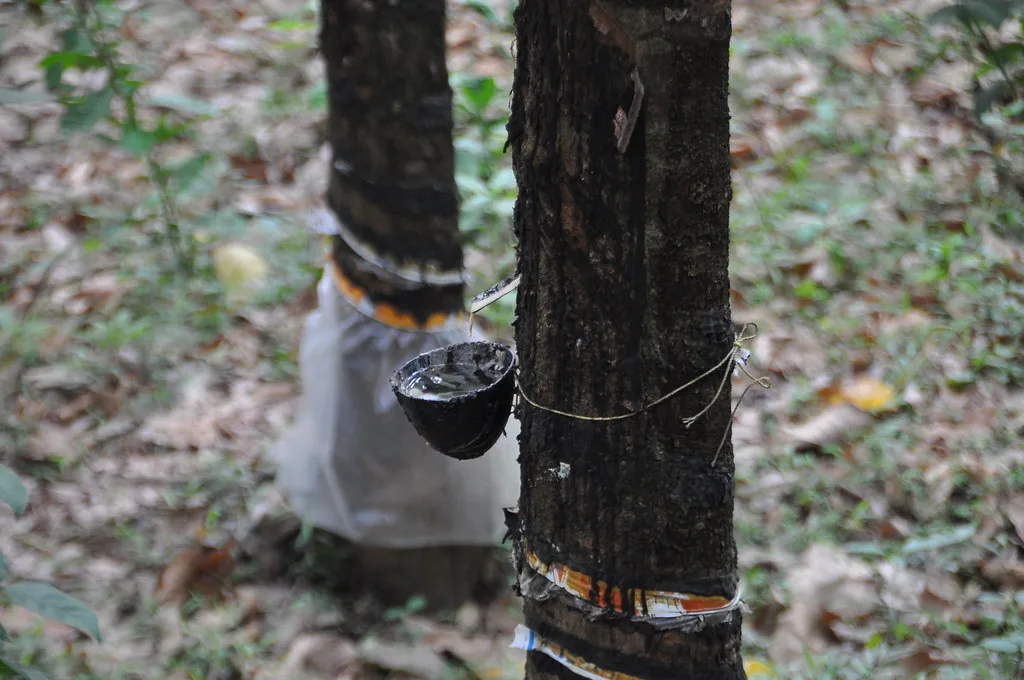
Global natural rubber production experienced a 3.4% year-on-year increase during the 2026 fiscal year, driven by optimal weather patterns across primary cultivation hubs in Southeast Asia and beyond. Industry data confirms that sustained favorable climatic conditions allowed for an expanded number of tapping days, enabling farmers to maximize latex output throughout the harvest cycle.
Contextualizing the Supply Surge
The natural rubber industry has historically grappled with volatile output levels due to its heavy reliance on specific environmental conditions, including consistent rainfall and temperature regulation. In recent years, climate-related disruptions—ranging from prolonged droughts to erratic monsoon patterns—had hindered consistent yield growth, creating tight supply conditions for global manufacturing sectors.
The recovery observed in FY26 marks a stabilization phase, providing much-needed relief to the automotive and medical supply chains. These sectors rely heavily on natural rubber for the production of high-performance tires, gloves, and industrial seals, making the 3.4% increase a significant indicator of market health.
Factors Driving Enhanced Productivity
Agricultural experts highlight that the increase in production is not merely a result of climate cooperation but also reflects improved tapping techniques and better plantation management. By extending the tapping season, producers were able to capitalize on the peak growth periods of the Hevea brasiliensis trees.
Data from regional rubber boards suggests that proactive maintenance and disease management protocols played a critical role in preserving tree health during the peak harvest months. The consistency in production cycles has effectively reduced the volatility that characterized the previous two fiscal years, providing a more predictable supply forecast for global commodity markets.
Expert Analysis of Market Dynamics
Market analysts note that while the 3.4% growth figure is positive, it remains sensitive to the long-term impacts of climate change. Dr. Aris Thorne, a senior agricultural economist, explains that while the current cycle benefited from benign weather, the industry must invest in climate-resilient rubber clones to ensure long-term sustainability.
“The current growth is a reflection of a balanced harvest window, but the industry remains at a crossroads,” says Thorne. “Investment in digital monitoring and precision agriculture is becoming the standard for major rubber-producing nations aiming to maintain this upward trajectory against the backdrop of shifting global weather patterns.”
Broader Implications for Global Trade
For the automotive industry, the uptick in production offers a buffer against rising raw material costs that often accompany supply shortages. Manufacturers are now better positioned to manage inventory levels, potentially stabilizing prices for consumers of rubber-based finished goods.
Conversely, for the smallholder farmers who form the backbone of the rubber supply chain, the increased volume offers a vital boost to rural economies. The ability to conduct more tapping days directly translates to higher household income, provided that the increased supply does not lead to a disproportionate drop in market prices.
Future Outlook and Emerging Trends
Looking ahead, stakeholders are closely monitoring the impact of potential weather shifts in the upcoming planting season. Analysts suggest that the focus will likely shift toward supply chain resilience and the integration of sustainable harvesting practices to meet stringent environmental regulations in international markets.
The next phase of industry growth will likely hinge on the adoption of high-yield, disease-resistant tree varieties that can withstand extreme heat. Industry participants should watch for regional government policy shifts regarding rubber subsidies and international trade agreements that may influence price stability in the coming quarters.