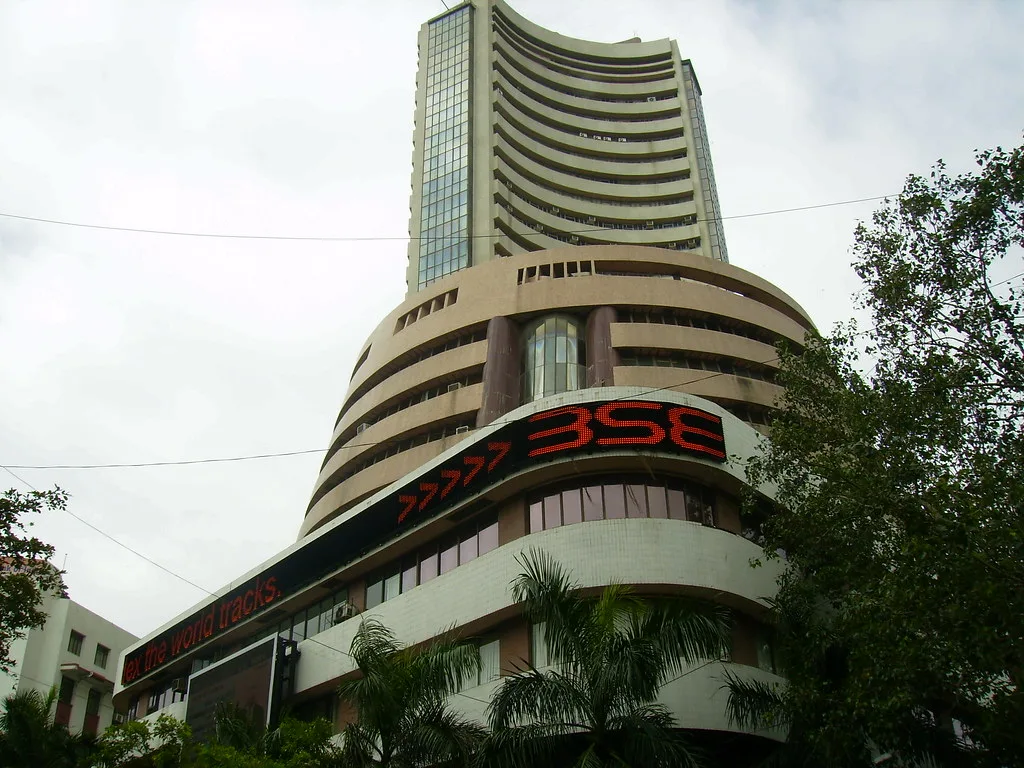










The National Stock Exchange (NSE) of India has officially filed its Draft Red Herring Prospectus (DRHP) with the Securities and Exchange Board of India (SEBI), setting the stage for what is expected to be a landmark initial public offering (IPO) valued at approximately $3 billion. The filing, which follows years of market speculation, confirms that the exchange is moving toward a public listing that could command a valuation exceeding ₹5 trillion. Major institutional shareholders, including the State Bank of India (SBI) and several prominent insurance companies, are among the ten early investors planning to offload significant stakes as part of the offering.
Contextualizing the NSE Market Dominance
As the world’s largest derivatives exchange by trading volume, the NSE has held a near-monopolistic position in the Indian equity and derivatives markets for years. The long-awaited IPO comes after significant regulatory hurdles and internal restructuring, which previously delayed the exchange’s transition to a public company. By filing the DRHP, the NSE seeks to unlock value for early-stage shareholders who have waited over a decade to monetize their holdings.
Strategic Execution and Banking Power
The scale of the offering is reflected in the NSE’s unprecedented decision to appoint 20 investment banks to manage the IPO process. This represents the highest number of bankers ever engaged for a single public offering in India, signaling the complexity and the massive institutional interest surrounding the deal. The involvement of such a large consortium suggests that the exchange and its advisors are aiming for a wide-reaching global and domestic distribution strategy.
Investor Dynamics and Market Impact
Early investors, including SBI and various insurers, are positioned to cash out a combined total estimated at ₹30,600 crore. These institutional players have held these stakes since the exchange’s early development phases, and the current market valuations offer a significant return on their initial investments. Market analysts note that the mere confirmation of the DRHP filing has already sent ripples through the financial sector, with competitors like the BSE seeing their share prices fluctuate as investors recalibrate their portfolios in anticipation of the NSE’s entry into the public market.
Industry Implications and Future Outlook
The NSE’s public listing will likely reshape the landscape of Indian financial markets by providing a new benchmark for exchange valuations. For retail and institutional investors, the IPO offers a rare opportunity to gain equity exposure to India’s core financial infrastructure. Analysts are now closely monitoring the SEBI approval process and the subsequent roadshows to determine the final pricing and the appetite of foreign institutional investors. Observers should watch for the specific timeline of the share sale and how the pricing strategy balances the demand for high valuation against the necessity of ensuring a successful post-listing performance.