





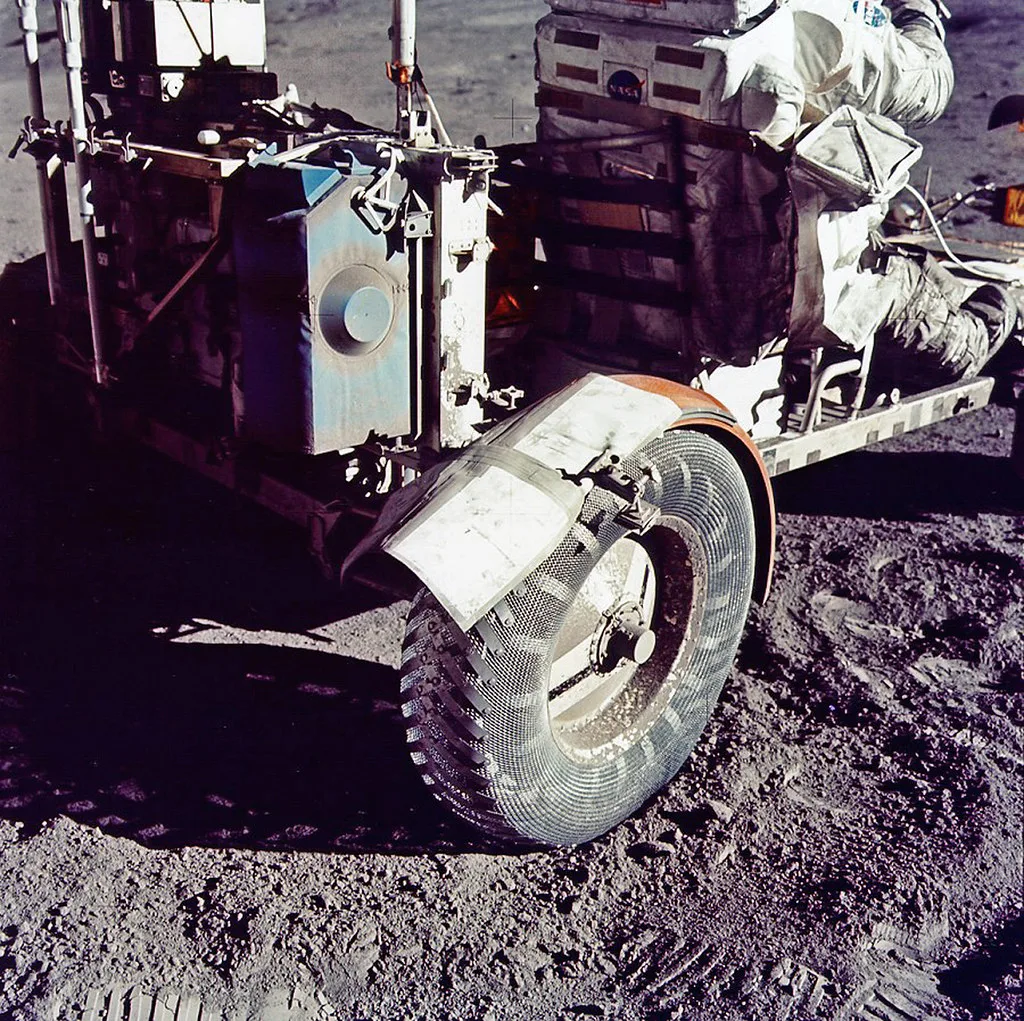
NASA announced on Tuesday the selection of three private companies to develop a new Lunar Terrain Vehicle (LTV) capable of transporting astronauts across the moon’s surface. This initiative marks a significant acceleration in the agency’s Artemis campaign, which aims to establish a permanent human presence at the lunar south pole by the end of the decade.
Building the Foundation for Deep Space Exploration
The LTV project is a critical component of NASA’s broader strategy to transition from short-duration visits to sustained lunar operations. Unlike the Apollo-era rovers, which were limited to short distances near landing sites, the new fleet is designed to navigate the rugged, shadowed, and crater-heavy terrain of the lunar south pole.
NASA officials confirmed that the contracts were awarded to Intuitive Machines, Lunar Outpost, and Venturi Astrolab. These companies will now move into a feasibility study phase, refining their designs to meet strict requirements for durability, autonomy, and life-support integration.
Technical Requirements and Operational Scope
The LTV must function as both a crewed vehicle and an autonomous robot. When astronauts are not present on the moon, the rovers will serve as remote-controlled scientific platforms, collecting data and scouting locations for future base infrastructure.
The extreme environment of the lunar south pole presents significant engineering challenges. With temperatures dropping to extreme lows and the potential for long periods of darkness, the rovers must feature advanced power management systems and thermal protection to remain operational in the harsh conditions.
Industry Collaboration and Economic Impact
By leveraging commercial partnerships, NASA is shifting the traditional procurement model. Instead of owning the vehicles outright, the agency intends to purchase services from the contractors, effectively stimulating a competitive lunar economy.
“This approach allows us to tap into the rapid innovation cycles of the private sector,” said a NASA spokesperson during the announcement. The agency estimates that this collaborative model will reduce overall mission costs while accelerating the development timeline for essential mobility hardware.
Expert Projections and Strategic Implications
Industry analysts suggest that the LTV contracts signify a turning point in space logistics. By prioritizing mobility, NASA is signaling that the next phase of lunar exploration will be defined by geographical reach rather than just localized experimentation.
Data from the Artemis program suggests that the ability to transport equipment and crew across tens of kilometers is essential for mining water ice and harvesting other lunar resources. These activities are viewed as the primary gateway to sustaining human life on the moon and eventually launching missions to Mars.
Future Outlook
The industry will now watch for the upcoming milestone reviews, where contractors must demonstrate that their prototypes can withstand simulated lunar radiation and dust exposure. As these vehicles begin to take shape, the focus will shift toward integrating them with the SpaceX Starship lander and the lunar Gateway station. Observers should monitor the 2026-2027 window, as NASA plans to finalize the primary contractor for the first crewed deployment to the moon’s surface.