





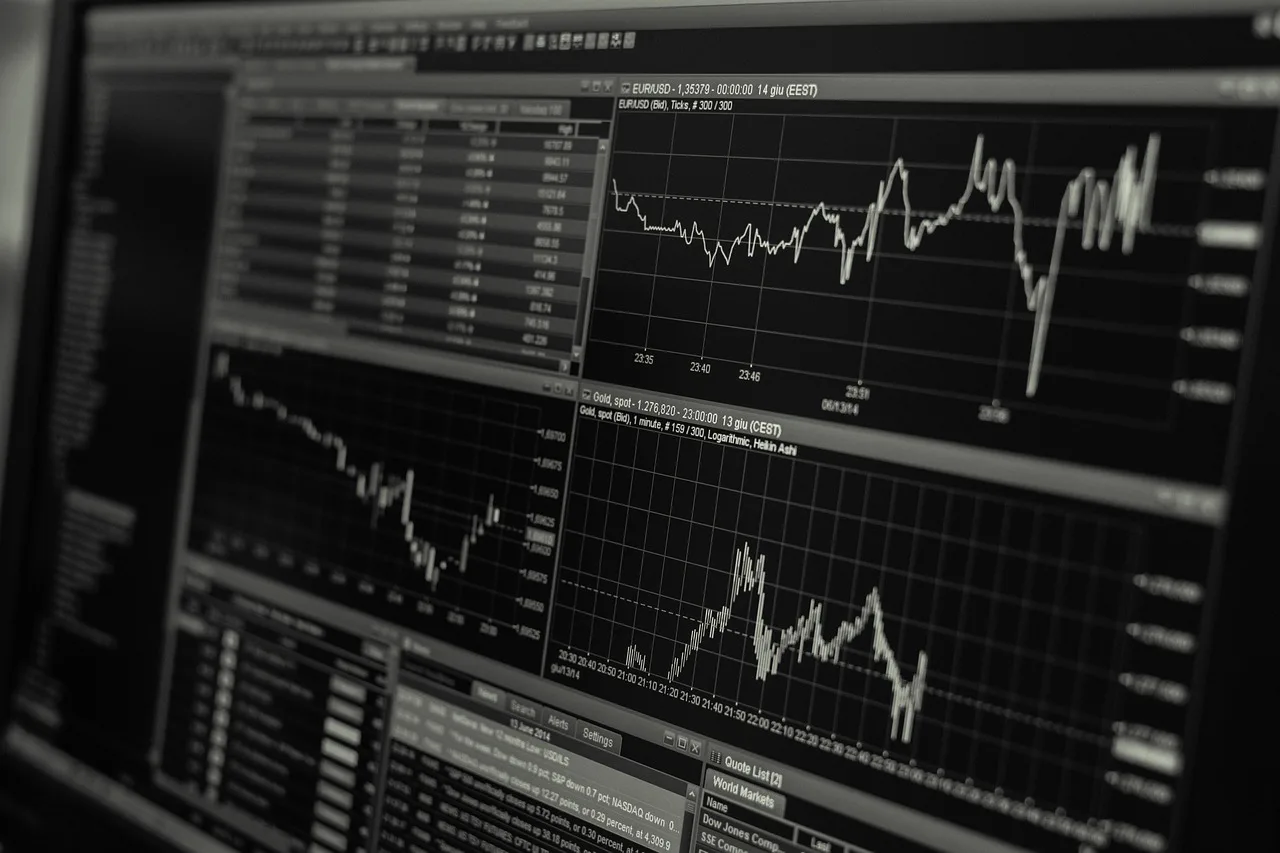
Michael Burry, the renowned investor who famously predicted the 2008 U.S. housing market collapse, has issued a stark warning to investors, advising them to significantly reduce positions in rapidly surging ‘parabolic’ technology stocks amidst growing concerns of an impending market reversal. His recent pronouncements, disseminated across financial news outlets and social media, suggest that current stock market dynamics are detached from fundamental realities, signaling a potential bubble on the brink of bursting.
Context: The Oracle of Scion and Market Euphoria
Michael Burry gained widespread recognition for his prescient bet against the subprime mortgage market detailed in Michael Lewis’s book, “The Big Short.” His ability to identify systemic risks long before they materialize has cemented his reputation as a contrarian voice within the financial world. Burry’s latest warnings come at a time when major indices, particularly the tech-heavy Nasdaq, have seen significant gains, fueled by post-pandemic economic recovery hopes, low interest rates, and an influx of retail investors. This environment has led some analysts to question the sustainability of current valuations.
Burry’s Dire Predictions: A Market ‘Jumping the Shark’
Burry’s recent statements indicate a deep concern that the market has entered a highly speculative phase. He has reportedly stated that stocks are not moving based on traditional metrics, asserting, “For any stocks going parabolic reduce positions almost entirely.” This counsel targets companies whose stock prices have seen exponential, unsustainable growth without a proportional increase in underlying value or earnings. He further elaborated, suggesting that “The market has jumped the shark,” a phrase implying an irreversible decline in quality or a point of no return, indicating that stocks may be at the “precipice of a major reversal.”
His warnings are not limited to specific sectors but rather point to a broader market malaise, particularly within the tech space. Burry reportedly views the current environment as historical in a concerning way, stating, “We are witnessing history in stock market, that is not a good thing.” This perspective draws parallels to previous speculative bubbles, where asset prices become inflated far beyond their intrinsic value, often leading to sharp and painful corrections. The investor specifically highlighted the Nasdaq, suggesting it is particularly vulnerable to a significant downturn.
Expert Perspectives and Data Points
While Burry’s warnings are a solo act, they resonate with some market observers who point to elevated price-to-earnings (P/E) ratios in certain growth sectors as a sign of overvaluation. Data from various financial institutions indicates that investor sentiment, while still largely positive, shows pockets of extreme bullishness, sometimes indicative of speculative frenzies. For instance, reports have highlighted record levels of margin debt and increased participation from less experienced retail investors in volatile assets, which can amplify market swings.
However, it is important to note that not all experts share Burry’s immediate alarm. Some analysts argue that technological innovation and robust corporate earnings growth, particularly in the tech sector, justify current valuations. They suggest that the digital transformation accelerated by the pandemic has created new fundamental strengths for many companies. Others point to the continued low-interest-rate environment as a key factor supporting higher equity valuations, making traditional fixed-income investments less attractive.
Implications for Investors and the Road Ahead
Michael Burry’s warnings serve as a potent reminder for investors to assess their portfolios critically and consider risk management strategies. For individual investors, this could mean re-evaluating exposure to high-growth, high-valuation stocks and ensuring diversification across different asset classes. His advice to reduce positions in ‘parabolic’ stocks underscores the importance of taking profits and not becoming overly reliant on the continuation of unsustainable trends.
For the broader market, Burry’s cautionary stance suggests increased volatility could be on the horizon. Investors will likely be closely watching for shifts in monetary policy, particularly any signals from central banks regarding interest rate hikes, which could significantly impact growth stock valuations. Additionally, upcoming corporate earnings reports and macroeconomic data, such as inflation figures and employment numbers, will be crucial in determining whether market fundamentals can catch up to current price levels or if a significant re-pricing event is indeed imminent. The debate over whether the current market surge is a sustainable boom or a fragile bubble will continue to dominate financial discourse, urging prudence and vigilance from all market participants.