




Market Volatility Rises as Strong Jobs Data Dampens Rate Cut Hopes
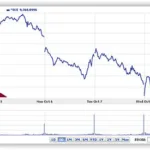
U.S. equity markets faced a sharp downturn this week as a robust labor market report signaled that the Federal Reserve may maintain elevated interest rates for longer than previously anticipated. The Bureau of Labor Statistics reported unexpectedly strong job growth, triggering a sell-off in major indices as investors recalibrated their expectations for monetary policy throughout 2024.
The Context of Economic Resilience
For months, Wall Street has operated under the assumption that a cooling economy would prompt the Federal Reserve to begin cutting interest rates by mid-year. This optimism was built on the premise that inflation was decelerating toward the central bank’s two-percent target without causing significant damage to the labor market.
However, the latest employment figures defy this cooling narrative, suggesting that the economy remains unexpectedly tight. Higher-than-expected payroll additions and sustained wage growth have forced analysts to reconsider the timeline for potential rate relief.
Market Reactions and Sector Pressures
The immediate reaction across trading floors was a pivot away from riskier assets, particularly within the technology sector. As bond yields surged in response to the jobs data, the cost of borrowing increased, which disproportionately impacts growth-oriented companies that rely on cheap capital to fund future expansion.
Adding to the sector-specific pressure, reports have surfaced suggesting that SpaceX—the private aerospace firm led by Elon Musk—may be influencing broader market sentiment. Analysts are increasingly monitoring whether the company’s massive capital requirements and influence on the tech ecosystem could inadvertently drain liquidity or shift investor focus away from traditional megacap technology stocks.
Expert Perspectives on Future Volatility
Financial analysts note that the current market environment is characterized by a “good news is bad news” paradox. According to recent data from the CME FedWatch Tool, the probability of a rate cut occurring in the early summer has dropped significantly following the jobs report.
“The market is struggling to reconcile a resilient economy with the need for lower interest rates,” said one senior market strategist. “When unemployment remains this low, the Federal Reserve has little incentive to pivot, which puts a natural ceiling on how much equity prices can rally in the short term.”
Implications for Investors
For the average investor, this environment necessitates a shift from speculative growth toward defensive positioning. High interest rates generally favor companies with strong balance sheets and consistent cash flow, while punishing those that are heavily leveraged.
As the market digests these developments, observers should monitor upcoming Consumer Price Index (CPI) releases and Federal Open Market Committee (FOMC) meeting minutes. These indicators will provide further clarity on whether the current economic strength is a temporary anomaly or a sustained trend that will force the Federal Reserve to keep rates at their current levels through the end of the year.