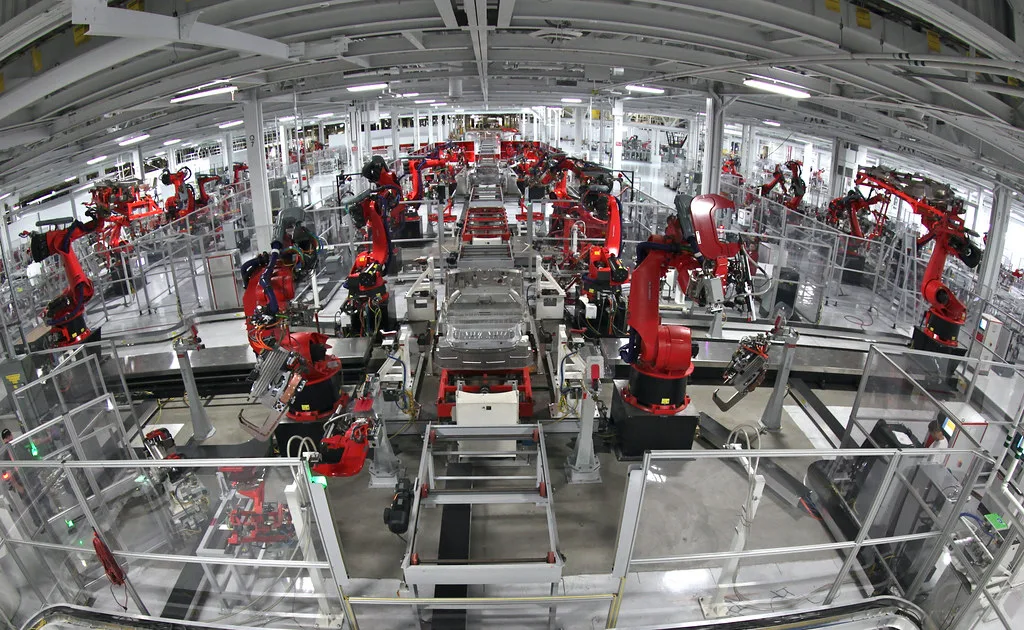






Launched in September 2014 by Prime Minister Narendra Modi, the ‘Make in India’ initiative has spent the last decade fundamentally reshaping the nation’s industrial output. By targeting 25 key sectors ranging from automobiles to renewable energy, the government aims to position India as a global manufacturing powerhouse, with current projections suggesting the country is on track to achieve $1 trillion in exports by 2028.
The Evolution of Industrial Policy
Before 2014, India’s manufacturing sector faced significant hurdles, including complex regulatory frameworks, inadequate infrastructure, and a heavy reliance on imports for critical components. The ‘Make in India’ program sought to address these systemic issues by simplifying business processes, enhancing intellectual property rights, and introducing the Production Linked Incentive (PLI) schemes.
These incentives provide financial rewards for domestic manufacturing growth, effectively lowering the cost of production for companies operating within the country. As a result, India has transitioned from an agrarian-focused economy to one increasingly defined by its capacity for high-tech assembly and industrial production.
Strategic Shifts and Global Integration
The global supply chain landscape has shifted significantly over the past ten years, with multinational corporations seeking to diversify their manufacturing footprints away from single-source dependencies. India has capitalized on this ‘China Plus One’ strategy by investing heavily in specialized economic zones and logistics infrastructure.
Data from the Ministry of Commerce and Industry indicates that Foreign Direct Investment (FDI) inflows have reached record highs during this period. Furthermore, the rise of the electronics manufacturing sector, particularly in smartphone assembly, has turned India into a significant exporter of consumer hardware to global markets.
Expert Perspectives on Growth
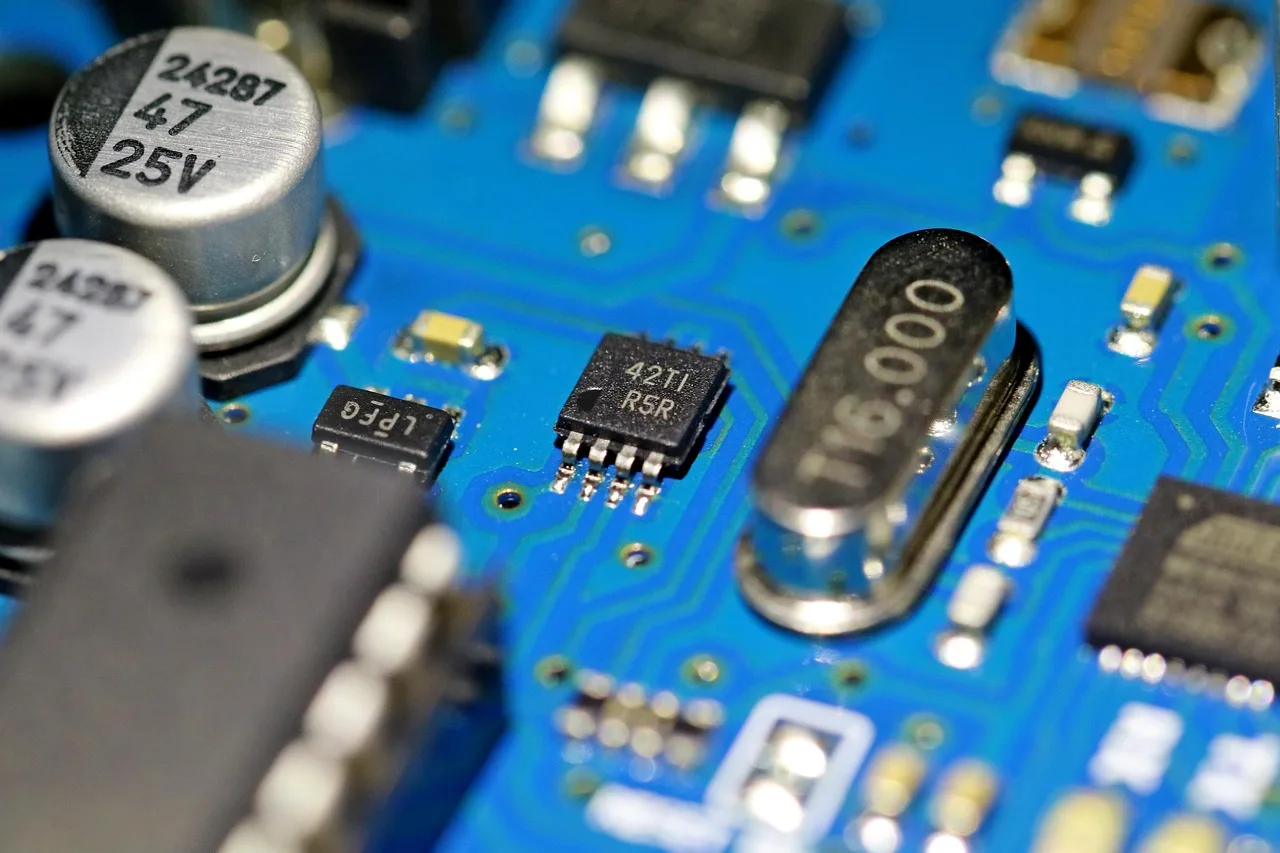
Economists note that the success of the initiative is not just in the volume of goods produced, but in the technological upgrading of the labor force. Industry analysts point to the rapid expansion of the semiconductor and electric vehicle (EV) sectors as evidence of India’s growing maturity in advanced manufacturing.
According to recent reports from the World Bank, India’s manufacturing value-added growth has shown resilience despite global macroeconomic headwinds. Experts suggest that the focus on ‘Ease of Doing Business’ reforms has been the primary catalyst for attracting capital that previously bypassed the region.
Future Trajectory and Global Impact
The transition toward high-end manufacturing presents both opportunities and challenges for the next decade. While the export target of $1 trillion is ambitious, it requires sustained investment in workforce upskilling and the continued digitalization of factory floors.
Observers should watch for further developments in the ‘National Logistics Policy,’ which aims to reduce the cost of moving goods to competitive global levels. As India continues to integrate into the global value chain, the focus will likely shift from basic assembly to research-driven manufacturing, potentially cementing the nation’s status as a top-tier industrial hub by 2030.