



New Policy Framework for Sustainable Energy
The Government of Maharashtra officially launched the Compressed Biogas (CBG) Policy 2026 this week, marking a strategic pivot toward decentralized renewable energy production. The initiative aims to incentivize the establishment of large-scale biogas facilities across the state by leveraging diverse organic waste streams as primary feedstocks. Industry body Indian Federation of Green Energy (IFGE) has formally welcomed the move, citing its potential to accelerate India’s transition toward a circular economy.
Contextualizing the Shift to Bio-Energy
For years, Maharashtra has struggled with the logistical and environmental challenges of managing municipal solid waste and agricultural residue. Traditional disposal methods, including open burning and landfilling, have contributed significantly to regional air quality degradation and methane emissions. The 2026 policy provides a structured roadmap to convert these liabilities into high-value energy assets, aligning with national mandates to reduce dependence on imported fossil fuels.
Expanding the Feedstock Landscape
The policy distinguishes itself through an inclusive approach to feedstock procurement. By incorporating municipal solid waste, agricultural residues, livestock waste, and agro-industrial by-products, the framework ensures a steady supply chain for CBG plants. This diversity is crucial for maintaining operational consistency, as it mitigates the risks associated with seasonal feedstock availability.
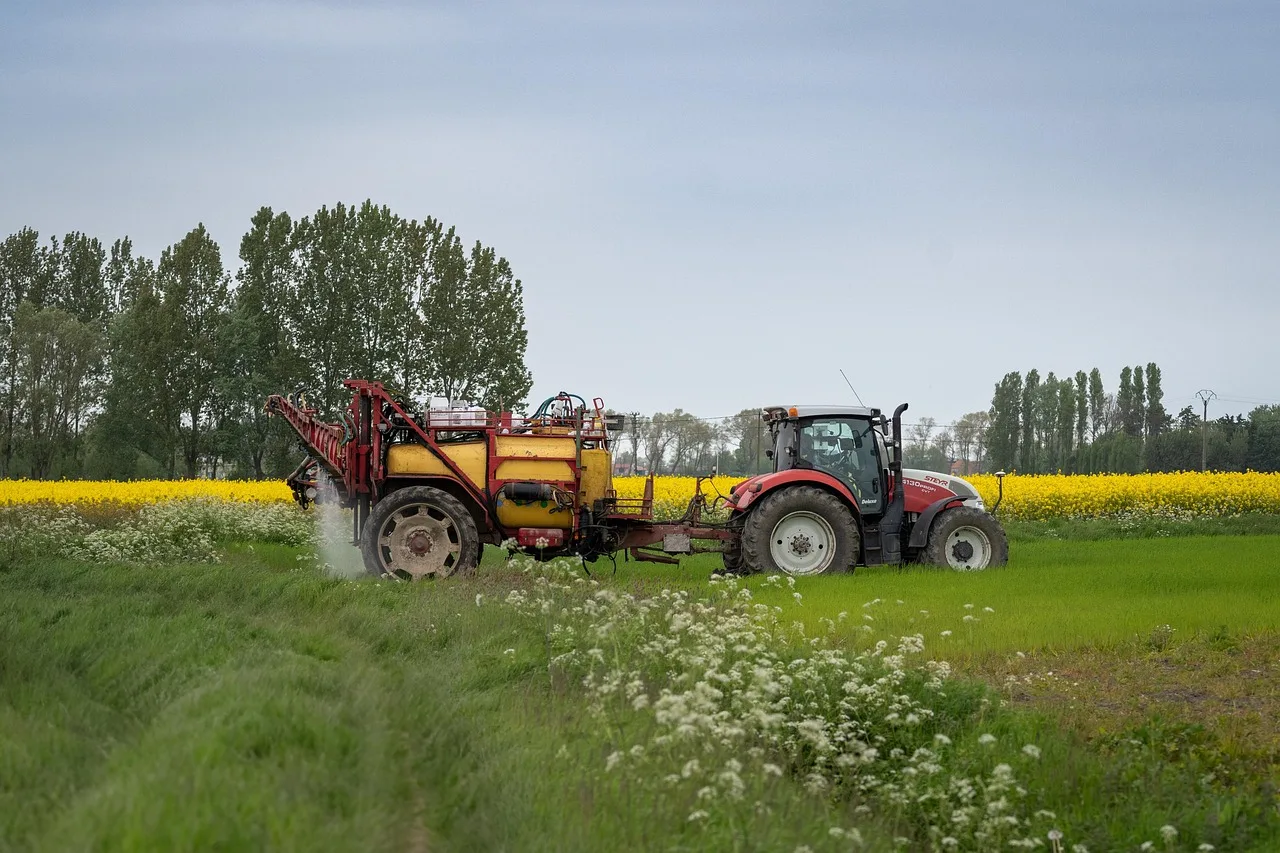
Experts note that the integration of agricultural waste, in particular, addresses the dual problem of farm-level stubble burning. By providing farmers with a remunerative market for waste that was previously discarded, the policy creates a new revenue stream for the rural economy. Infrastructure developers are expected to benefit from standardized regulatory clearances and land-use incentives outlined in the new policy document.
Economic and Environmental Impact
According to data from the Ministry of New and Renewable Energy, India possesses massive potential for biogas production, yet current utilization remains a fraction of its capacity. The Maharashtra policy aims to bridge this gap by streamlining the investment climate for private developers. Financial analysts suggest that the policy’s emphasis on long-term off-take agreements will likely attract significant private equity and infrastructure funding into the sector.
The environmental dividends are equally substantial. By capturing methane that would otherwise enter the atmosphere, CBG projects serve as a powerful tool in climate mitigation strategies. Furthermore, the byproduct of the biogas process—organic fertilizer—offers a sustainable alternative to chemical inputs, supporting the state’s burgeoning organic farming initiatives.
Future Implications and Market Outlook
For the industrial sector, the 2026 policy signals a shift toward localized energy independence. Manufacturing hubs and transport networks in Maharashtra are expected to begin integrating CBG into their supply chains as availability increases. The immediate focus will now shift to the implementation of pilot projects, which will serve as a litmus test for the scalability of the policy’s incentive structure.
Stakeholders should monitor the upcoming tender processes and the clarity of state-level subsidies for technology adoption. As the regulatory environment matures, the success of this policy will likely serve as a blueprint for other Indian states looking to formalize their bio-energy sectors. Observers should keep a close watch on how effectively the government coordinates between urban waste management departments and rural agricultural boards to ensure seamless feedstock aggregation.