





Strategic Industrial Expansion
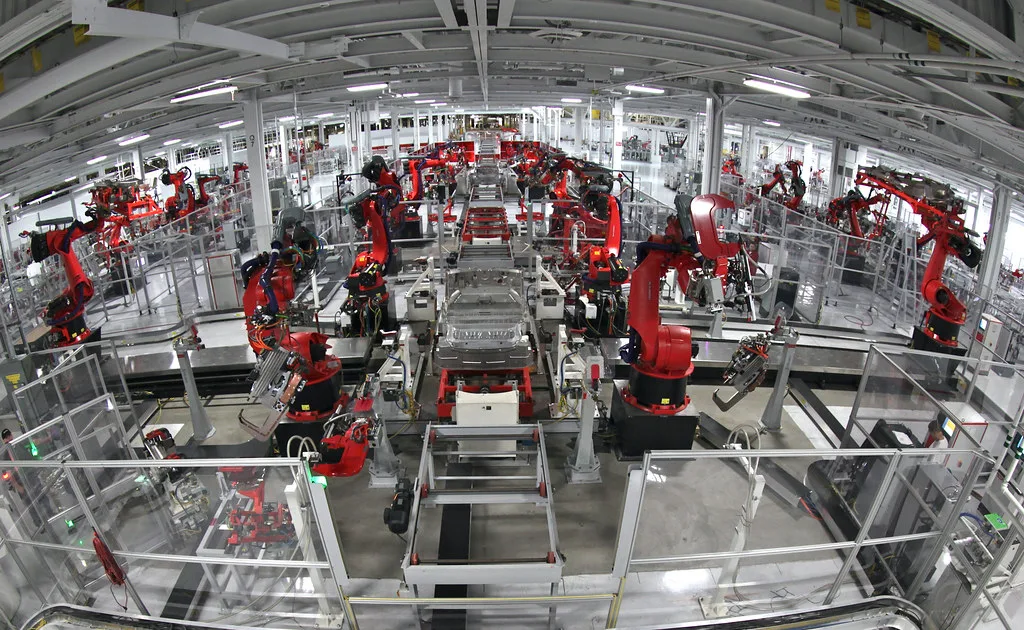
The Maharashtra state cabinet, led by Chief Minister Eknath Shinde, officially approved five mega-industrial projects worth ₹89,731 crore on Tuesday in Mumbai. These projects, spanning advanced manufacturing and clean technology sectors, are projected to generate approximately 20,000 direct jobs across the state, signaling a major push to revitalize regional industrial infrastructure.
Contextualizing the Investment
Maharashtra has historically served as India’s industrial powerhouse, contributing significantly to the national GDP. However, recent years have seen increased competition from neighboring states, prompting the government to adopt more aggressive incentive packages for large-scale investors.
The current approvals follow the state’s broader ‘Magnetic Maharashtra’ initiative. This policy framework aims to streamline land acquisition and provide tax subsidies to companies willing to set up high-tech manufacturing hubs outside the traditional Mumbai-Pune corridor.
Breakdown of the Mega Projects
The approved proposals focus heavily on high-growth sectors, specifically electric vehicle (EV) components, green hydrogen production, and semiconductor assembly. By diversifying the industrial base, the state government aims to reduce reliance on legacy automotive sectors that currently face disruption from global electrification trends.
According to data from the Maharashtra Industrial Development Corporation (MIDC), these projects will be spread across districts including Chhatrapati Sambhajinagar, Pune, and Raigad. The geographic dispersion is intentional, designed to mitigate urban overcrowding in Mumbai while fostering development in tier-two cities.
Beyond the primary manufacturing facilities, the projects include provisions for research and development centers. This focus on R&D suggests a shift toward high-value-added manufacturing rather than simple assembly-line operations.
Expert Perspectives
Industry analysts note that the scale of this investment is significant, particularly given the current global economic climate. “The commitment of nearly ₹90,000 crore indicates strong investor confidence in Maharashtra’s logistical connectivity and skilled labor pool,” says Sumanth Rao, a senior economist tracking regional development.
Data from the Ministry of Commerce suggests that such mega-projects typically have a multiplier effect, with every direct job created supporting three to five ancillary roles in logistics, maintenance, and raw material supply. For the local economy, this translates into a substantial boost in the service sector and small-to-medium enterprise (SME) activity.
Industry Implications and Future Outlook
For the broader Indian manufacturing sector, the success of these projects will serve as a bellwether for the ‘Make in India’ initiative. Investors are now closely monitoring the speed of land allotment and utility infrastructure deployment in the newly designated zones.
The next phase of implementation will be critical, as the government must now navigate the complexities of environmental clearances and power grid integration for the energy-intensive units. Stakeholders should watch for the signing of formal Memorandums of Understanding (MoUs) in the coming quarter, which will provide deeper clarity on project timelines and specific capital expenditure milestones.