





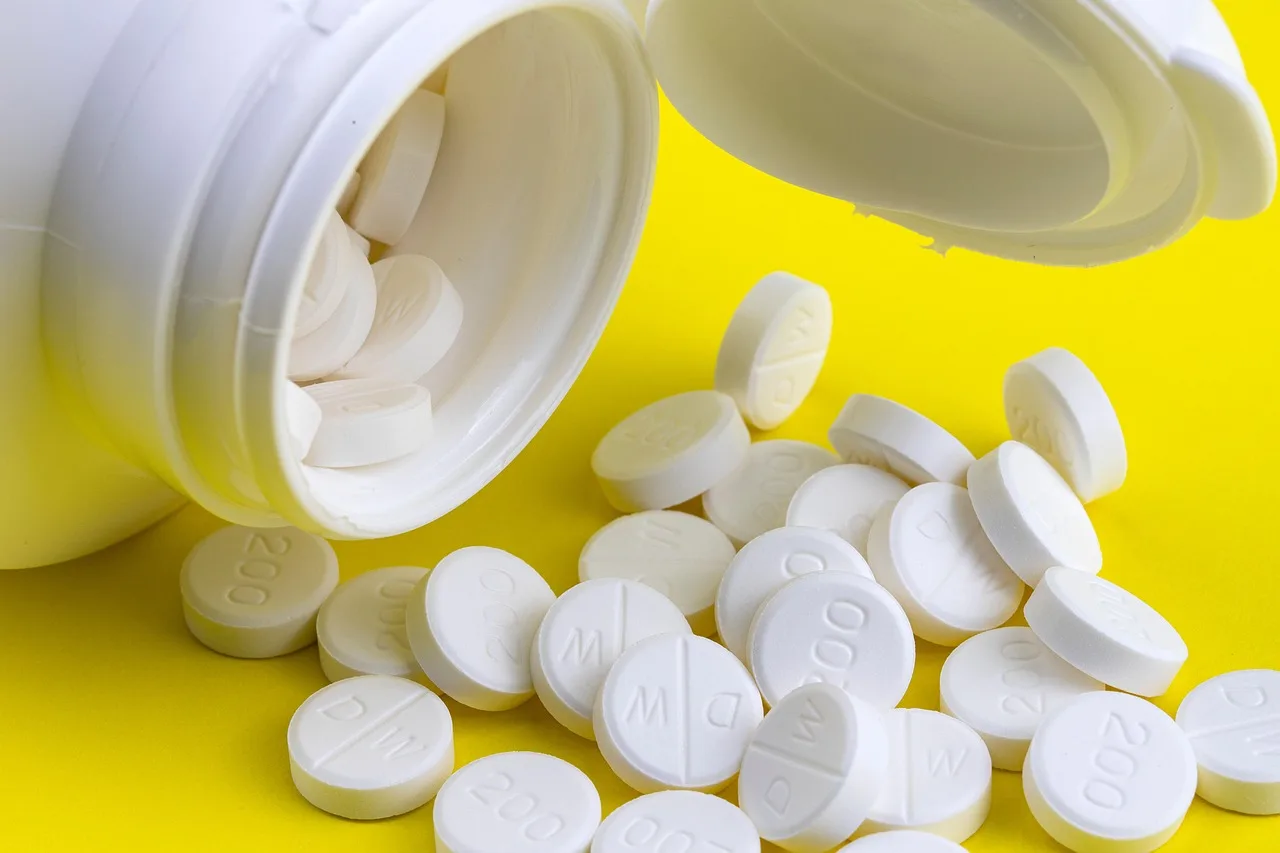
Mumbai-based pharmaceutical giant Lupin Limited announced on Tuesday that it has received final approval from the United States Food and Drug Administration (US FDA) for its abbreviated new drug application (ANDA) for Sodium Sulfate, Magnesium Sulfate, and Potassium Chloride tablets. The medication, a critical component in colonoscopy preparation, is set to enter the U.S. market immediately, with the company securing 180-day competitive generic therapy exclusivity.
Understanding the Market for Bowel Preparation
Colonoscopy preparation drugs are essential for clearing the bowel, ensuring physicians have a clear view during diagnostic screenings. The specific combination of sodium sulfate, magnesium sulfate, and potassium chloride is a widely prescribed osmotic laxative used to cleanse the colon before medical procedures.
The U.S. market for gastrointestinal preparations remains highly competitive, with demand driven by increasing screening rates for colorectal cancer. According to data from the American Cancer Society, early detection through regular screening is a primary factor in improving patient survival rates, keeping the demand for accessible, cost-effective prep solutions high.
Strategic Impact of 180-Day Exclusivity
The granting of 180-day exclusivity is a significant milestone for Lupin, effectively shielding the product from generic competition during its initial launch phase. This regulatory advantage allows the company to capture a substantial market share before other generic manufacturers can enter the space.
Industry analysts suggest that this approval bolsters Lupin’s portfolio in the specialized gastrointestinal segment. By navigating the complex FDA approval process for complex generic formulations, the company reinforces its position as a major player in the North American pharmaceutical landscape.
Expert Perspectives on Pharmaceutical Trends
Market observers note that the FDA has increasingly focused on approving complex generic drugs to lower healthcare costs for patients. “The entry of generic alternatives for established bowel prep regimens is a key driver for affordability in the U.S. healthcare system,” said a pharmaceutical market analyst familiar with the generic drug approval process.
Lupin’s ability to secure this approval highlights the company’s ongoing investment in research and development. The firm has shifted its focus toward niche products and complex generics, which often face higher barriers to entry but offer better profit margins than standard commodity generics.
Implications for the Healthcare Landscape
For healthcare providers and patients, the introduction of this generic formulation implies a potential reduction in the cost of routine diagnostic procedures. As the supply chain stabilizes with the addition of Lupin’s product, hospitals and clinics may see more flexible procurement options for essential diagnostic supplies.
Investors and industry stakeholders will now watch for the commercial uptake of the drug in the coming quarters. The primary indicator of success will be the company’s ability to maintain a consistent supply chain and secure favorable positioning within pharmacy benefit manager formularies. Future developments will also depend on how quickly competitors move to challenge the market once the 180-day exclusivity period concludes.