








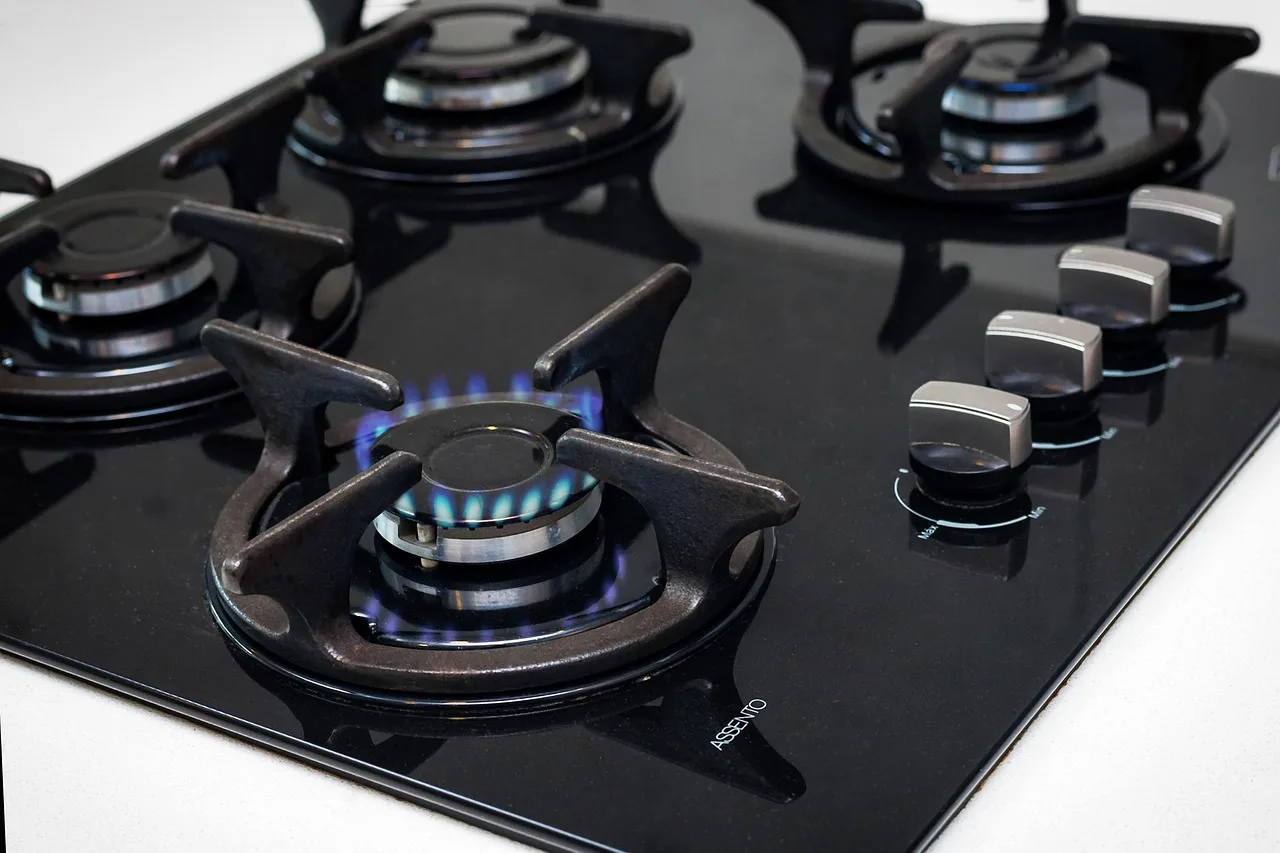
Oil marketing companies in India have increased the price of domestic LPG cylinders by Rs 29, marking the second consecutive hike as geopolitical instability in West Asia continues to disrupt global energy markets. This latest adjustment follows a 46% surge in global benchmark prices, forcing a recalibration of domestic energy costs for millions of Indian households.
Context and Market Dynamics
The recent price adjustment comes against a backdrop of heightened volatility in international crude and gas markets. Ongoing conflicts in West Asia have strained supply chains, leading to a sharp rise in the cost of imported liquefied petroleum gas.
Government officials maintain that despite these domestic hikes, fuel rates in India remain among the lowest globally. Data from the petroleum ministry suggests that the current retail price does not fully reflect the actual cost of procurement, with oil marketing companies reportedly absorbing a loss of nearly Rs 700 on every domestic cylinder sold.
Economic Impact and Consumer Behavior
The rising cost of cooking fuel is prompting a significant shift in consumer behavior across the country. As household budgets tighten, many families are exploring alternative energy sources to mitigate the impact of recurring price hikes.
Market reports indicate a notable rise in the adoption of electric cooking appliances. Households are increasingly transitioning to induction cooktops and electric heaters as a long-term strategy to bypass the volatility associated with fossil-fuel-based cooking gas.
Political and Industry Perspectives
The price hike has ignited a heated debate between the government and opposition leaders. While the administration points to international market benchmarks and the need for fiscal sustainability, critics argue that the burden of these costs is disproportionately impacting low-income families.
Industry analysts emphasize the difficulty of balancing supply chain realities with social welfare obligations. Maintaining subsidized pricing models becomes increasingly difficult when the gap between the global purchase price and the retail price widens significantly, placing severe strain on the balance sheets of state-run oil marketing firms.
Future Implications
The trajectory of LPG prices remains tied to the geopolitical climate in energy-producing regions. Observers are now looking toward the upcoming fiscal reviews to determine if additional subsidies or structural changes to the energy pricing mechanism will be introduced.
The shift toward electric cooking is expected to accelerate if global energy prices remain elevated, potentially altering India’s long-term energy consumption patterns. Market watchers will closely monitor whether this trend leads to a permanent change in national cooking habits or if a cooling in global gas prices will prompt a return to traditional LPG reliance.