









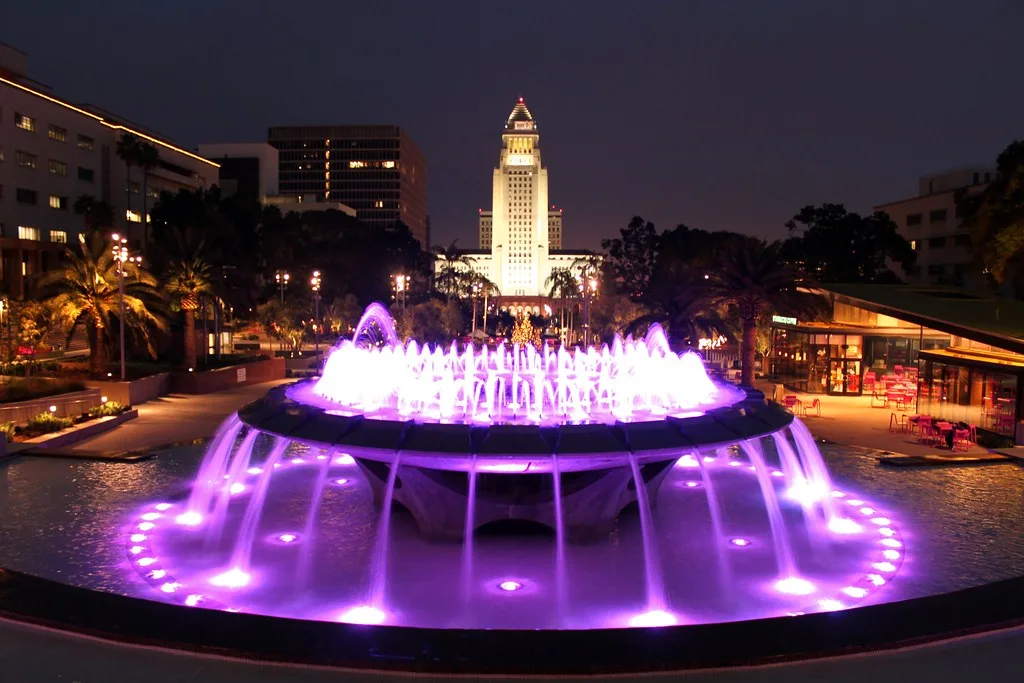
The Los Angeles City Council has officially moved to scale back a controversial proposal that would have mandated a $30-per-hour minimum wage for workers in the city’s hospitality and tourism sectors. The decision, reached during a session this week, marks a significant policy reversal following concerns raised by business leaders and economic analysts regarding the potential for widespread job losses and business closures.
The Context of the Wage Debate
For several months, labor advocates and city officials had debated the implementation of a $30 minimum wage, citing the extreme cost of living in Southern California as a primary driver. The proposal was intended to provide a living wage for hotel employees, particularly in the lead-up to high-profile events like the 2028 Olympic Games.
However, the economic climate has shifted since the proposal was first introduced. Rising inflation and increased operational costs have placed significant pressure on small and medium-sized enterprises, prompting the council to re-evaluate the long-term feasibility of such a steep wage floor.
Economic Concerns and Industry Pushback
The primary driver behind the council’s retreat was a series of economic impact assessments provided by industry groups. These reports suggested that a sudden jump to $30 per hour would force hotels to cut staff, reduce hours, or pass costs on to consumers, potentially making Los Angeles a less competitive destination for tourism.
Business advocacy groups argued that while wage growth is necessary, the jump would outpace the industry’s ability to absorb labor costs. According to the Los Angeles Area Chamber of Commerce, such mandates often lead to an unintended reduction in entry-level opportunities, which are critical for workforce development.
Expert Perspectives
Labor economists have pointed out that wage mandates are rarely one-size-fits-all solutions. Dr. Elena Rodriguez, a specialist in urban economics, noted that while the intent of the policy was to alleviate poverty, the mechanics of the hotel industry are highly sensitive to payroll fluctuations.
“When you raise wages significantly above the market equilibrium in a short window, the elasticity of demand for labor kicks in,” Dr. Rodriguez explained. “Businesses look for ways to automate or consolidate roles to maintain profitability, which can ultimately shrink the available job pool for the very people the policy aims to help.”
Broader Implications for Urban Policy
This policy shift signals a growing tension in major metropolitan areas between social equity goals and economic sustainability. Other cities currently monitoring the situation in Los Angeles are now reconsidering their own aggressive wage strategies, opting instead for phased-in increases that account for sector-specific variables.
For the local labor force, this represents a cooling of expectations regarding rapid wage hikes. For business owners, the council’s retreat provides a temporary reprieve from what many feared would be an unsustainable regulatory burden.
What to Watch Next
Moving forward, the City Council is expected to explore alternative legislative pathways to support low-wage workers, such as targeted tax credits or expanded public transit subsidies. Observers should monitor upcoming committee meetings, where council members are likely to propose a more incremental wage schedule that aligns with regional inflation data rather than fixed, high-threshold mandates.