




Major global liquor manufacturers are currently lobbying for significant price increases as the escalating crisis in the Middle East disrupts critical supply chains and drives up operational costs. Industry leaders report that the ongoing conflict has triggered a sharp rise in the prices of raw materials, packaging components, and international logistics, forcing companies to reconsider their pricing strategies to protect thinning profit margins.
The Global Supply Chain Under Pressure
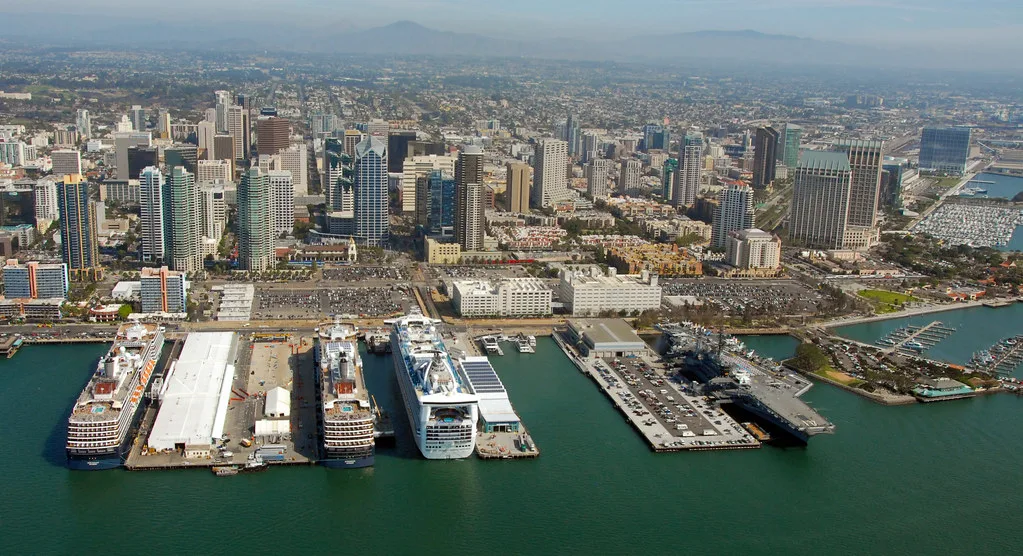
The liquor industry relies heavily on a complex, globalized supply network that is particularly sensitive to maritime security. With regional instability affecting key shipping routes, container availability has plummeted while insurance premiums for maritime freight have surged to record highs.
Packaging materials, including glass bottles and specialized aluminum, have also seen a price spike due to rising energy costs directly linked to the volatility in energy markets. Industry analysts note that these combined pressures create a ‘perfect storm’ for distillers who operate on tight inventory cycles.
Margin Compression and Operational Risks
Without timely intervention or the ability to pass costs on to consumers, many distillers warn of potential supply shortages. The cost of production has escalated to a point where maintaining current retail price points is becoming financially unsustainable for mid-sized and large-scale producers alike.
According to data from recent market reports, logistics costs alone have increased by nearly 15% in the last quarter for firms relying on Middle Eastern transit corridors. This shift has forced manufacturers to prioritize high-margin products while potentially scaling back production on more affordable lines, leading to concerns about market availability.
Expert Perspectives on Market Stability
Market economists suggest that the industry is at an inflection point. While some manufacturers have attempted to absorb these costs internally, the longevity of the current geopolitical situation makes long-term absorption impossible.
‘When input costs rise across the board—from the barley and agave used in production to the cardboard and glass used in shipping—the consumer inevitably feels the impact,’ said a senior analyst at a leading global logistics research firm. The industry is now calling for regulatory bodies to consider flexible pricing policies to prevent a total collapse in supply chain efficiency.
Implications for Consumers and Retailers
For the average consumer, this translates to a likely increase in retail prices across spirits, ranging from premium whiskies to mass-market labels. Retailers are also bracing for the impact, as inventory turnover may slow if price hikes lead to a contraction in consumer demand.
Looking ahead, stakeholders are closely monitoring energy prices and maritime security reports to determine the duration of these price adjustments. Industry experts suggest that the focus will now shift toward regional sourcing and localized production hubs as companies seek to insulate themselves from future geopolitical shocks. The coming fiscal quarter will be critical in determining whether these price increases will be permanent or if temporary surcharges will suffice to cover the current volatility.