




Strategic Expansion in a Shifting Landscape
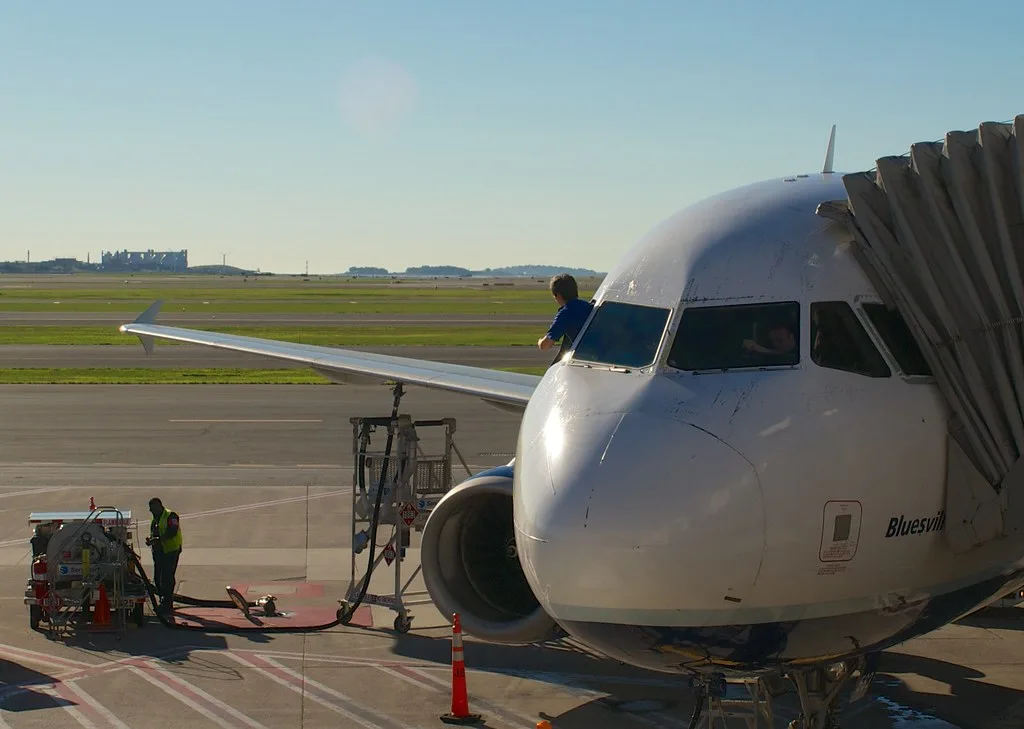
JetBlue Airways is aggressively expanding its flight capacity at Fort Lauderdale-Hollywood International Airport this month, seizing a strategic opportunity created by the contraction of low-cost carrier Spirit Airlines. As the airline industry faces significant post-pandemic restructuring, JetBlue aims to capture market share in South Florida, a region that has long served as a critical hub for budget-conscious travelers and a primary base for its competitor.
The Context of Industry Consolidation
The aviation sector has undergone a volatile period, characterized by rising operational costs and the collapse of several high-profile merger attempts, most notably the blocked acquisition of Spirit by JetBlue. Following the termination of that merger agreement in early 2024, Spirit Airlines has been forced to undergo a rigorous financial restructuring, including significant route cuts and the sale of aircraft to improve liquidity. JetBlue, meanwhile, has been grappling with its own profitability challenges, leading management to focus on higher-margin routes and more efficient utilization of its existing fleet.
Operational Shifts and Market Dynamics
JetBlue’s decision to increase service in Fort Lauderdale represents a calculated bet on the resilience of leisure travel demand. By deploying additional capacity into a market where Spirit has recently scaled back, JetBlue intends to absorb passengers who are now looking for alternative service providers. Analysts note that this move is part of a broader effort by JetBlue to return to profitability by fiscal year 2025, following a series of quarterly losses.
Industry data from the Bureau of Transportation Statistics suggests that route optimization is currently the primary lever for major U.S. carriers. By concentrating resources in established hubs like Fort Lauderdale, JetBlue can better manage its overhead costs while maintaining a competitive footprint. This strategy also allows the carrier to leverage its existing infrastructure and ground operations, minimizing the capital expenditure required to scale up service.
Expert Perspectives on Airline Competition
Aviation market analysts have observed that the vacuum left by Spirit’s contraction is creating a temporary “land grab” environment among major carriers. While JetBlue is moving quickly to fill these slots, it faces intense competition from legacy carriers like Delta and American, which are also looking to solidify their presence in the Florida market. Experts suggest that while the immediate increase in capacity may lower ticket prices for consumers in the short term, the long-term sustainability of these routes depends on JetBlue’s ability to maintain high load factors amid fluctuating fuel prices.
Future Implications for the Aviation Market
As JetBlue stabilizes its network, the industry will be watching to see if this pivot to regional dominance in Florida provides the necessary financial cushion to support its broader national expansion. Investors remain cautious, looking for signs that these new routes will yield improved margins rather than merely increasing total revenue at the expense of profitability. The next several quarters will be decisive in determining whether JetBlue can successfully transition from a period of aggressive growth to one of disciplined, sustainable operation.
Looking ahead, stakeholders should monitor JetBlue’s upcoming fleet modernization efforts and its ability to navigate potential labor cost pressures. Should the airline successfully capture a significant portion of Spirit’s former passenger base, it may set a new blueprint for how mid-sized carriers can survive in a market increasingly dominated by high-cost, high-service models.