





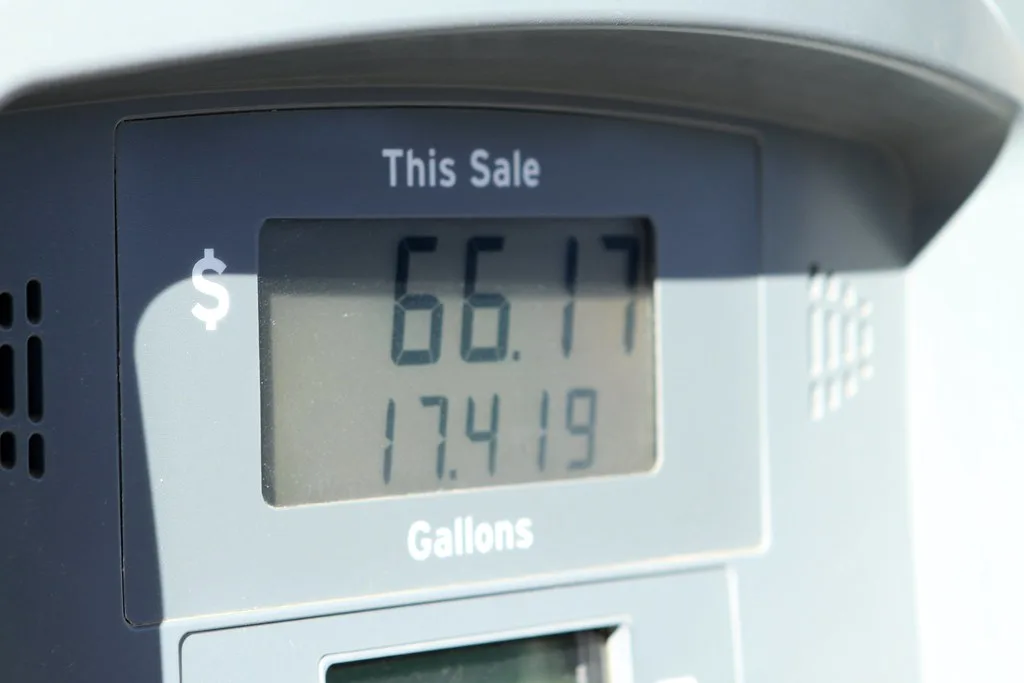
Concerns over rising inflation reached a fever pitch this week as consumers across the nation report significant price hikes in essential commodities, including milk and sugar, prompting widespread speculation that fuel prices could be the next target for an upward adjustment. Market analysts and retail experts have observed a consistent tightening of supply chains and production costs, which has begun to manifest in higher shelf prices for households since the beginning of this month.
The Context of Rising Commodity Costs
The current economic climate is defined by volatile global supply chains and shifting agricultural outputs that have directly impacted the cost of living. Milk prices have seen a steady climb due to increased feed costs and logistical challenges, while sugar supplies have faced pressure from fluctuating seasonal yields and export regulations.
These commodities serve as early indicators of broader inflationary trends. When the cost of basic food items rises, economists often look toward energy markets as the next domino to fall, given the heavy reliance on diesel and petrol for the transportation and distribution of these very goods.
Analyzing the Fuel Price Speculation
The murmurs regarding a potential hike in petrol and diesel prices stem from the interconnected nature of the global energy market and domestic fiscal policies. While global crude oil prices have shown signs of stabilization, domestic retail pricing remains subject to government tax structures and oil marketing company margins.
Industry experts suggest that if the government decides to pass on the accumulated costs of procurement to the consumer, the impact would be immediate and systemic. High fuel costs act as a force multiplier for inflation, driving up the price of everything from fresh produce to manufactured consumer electronics.
Expert Perspectives on Market Volatility
Financial analysts point to the Consumer Price Index (CPI) as the primary metric to watch in the coming weeks. According to recent data from national trade bureaus, food inflation has already breached the upper threshold of central bank targets, creating a narrow window for policy intervention.
“The correlation between food inflation and fuel costs is historically high,” says Dr. Aris Thorne, a senior commodity strategist. “When transportation costs rise, they are almost always absorbed by the end consumer, leading to a secondary wave of price increases that can be difficult to curb.”
Data from local retail associations indicates that transport-related logistics costs have already surged by nearly 8% over the last quarter. This puts immense pressure on oil retailers who have been holding prices steady in anticipation of market shifts.
Implications for Consumers and Industry
For the average household, a hike in fuel prices would necessitate a significant recalibration of monthly budgets. Disposable income is already being squeezed by the current upward trend in grocery bills, leaving little room for additional transportation expenses.
Industries reliant on heavy shipping, such as e-commerce and large-scale manufacturing, are currently bracing for potential margin compression. Many firms are now reviewing their supply chain efficiencies to mitigate the risk of higher fuel surcharges should the government choose to increase retail prices.
Moving forward, market watchers are focusing on the upcoming meeting of the energy regulatory commission. All eyes remain on whether the government will choose to subsidize fuel costs to prevent a broader economic slowdown or allow market forces to dictate a price increase at the pump to balance fiscal accounts.