





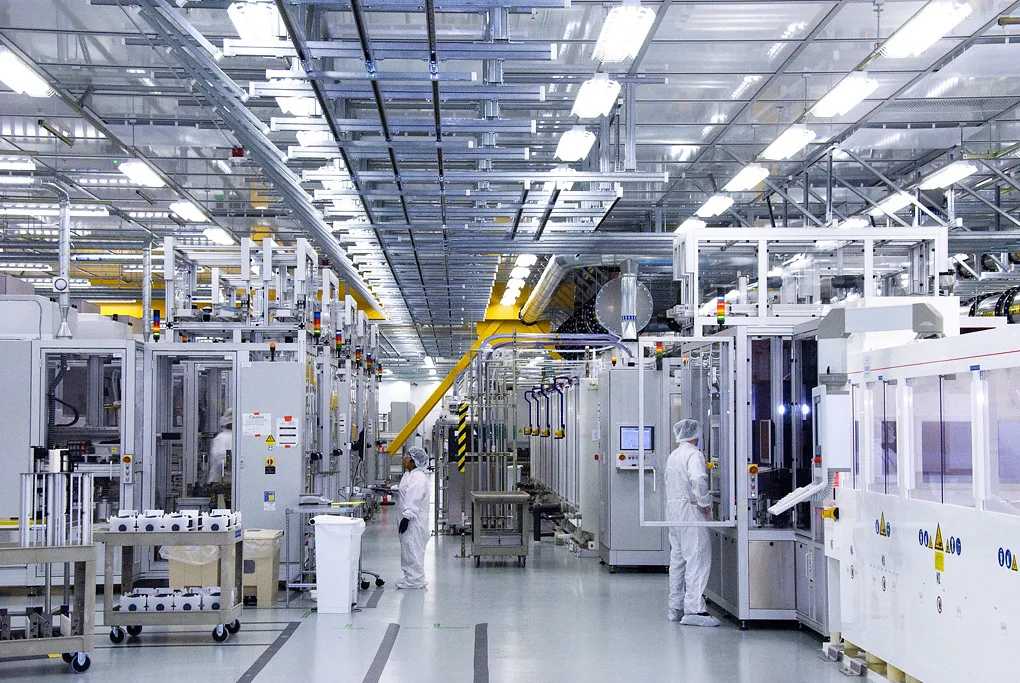
Targeting Strategic Autonomy in Manufacturing
The Government of India has launched a comprehensive initiative to identify 100 critical products for prioritized domestic manufacturing, aiming to significantly reduce the nation’s reliance on foreign imports. Announced this week in New Delhi, the program seeks to bolster supply chain resilience and accelerate the ‘Make in India’ initiative by providing targeted incentives for local production of components ranging from electronics to specialized industrial machinery.
This policy shift addresses the widening trade deficit and the vulnerability of Indian industries to global supply chain shocks. By focusing on specific high-value goods, the government intends to foster a robust ecosystem for indigenous manufacturing, ultimately aiming to achieve self-reliance in sectors where India currently spends billions on foreign procurement.
The Context of India’s Import Reliance
For decades, India has remained a significant importer of intermediate goods and raw materials, particularly from East Asian markets. This dependence has left domestic manufacturers susceptible to price volatility and logistical bottlenecks, as evidenced during the global supply chain disruptions of the last three years.
The Ministry of Commerce and Industry recently highlighted that a significant portion of the country’s manufacturing cost structures is tied to imported inputs. By shifting production domestic, the administration hopes to insulate local businesses from external economic fluctuations while simultaneously increasing the domestic value-addition component of finished goods.
Analyzing the Manufacturing Roadmap
The selection process for the 100 products is data-driven, focusing on goods with high import volumes, strategic importance for national security, and the potential for rapid technological scaling. Government officials have indicated that the list includes advanced chemicals, semiconductor components, and specialized automotive parts.
Industry analysts point out that this move is not merely protectionist but rather a calculated effort to integrate India into the global value chain. According to a recent report by the Federation of Indian Chambers of Commerce and Industry (FICCI), domestic production of these items could potentially contribute an additional 2% to the nation’s GDP over the next five years.
Expert Insights on Domestic Capacity
Economic experts emphasize that the success of this initiative hinges on the government’s ability to improve the ‘Ease of Doing Business’ metrics. Dr. Anjali Rao, a senior trade economist, notes that identifying the products is only the first step; the real challenge lies in providing the necessary infrastructure, affordable energy, and streamlined regulatory frameworks to make domestic production cost-competitive.
Data from the Reserve Bank of India suggests that while India’s manufacturing output has seen steady growth, the export-to-import ratio in the electronics sector remains a point of concern. Experts argue that if the 100-product strategy is paired with aggressive R&D investment, India could emerge as a credible alternative for global corporations looking to diversify their manufacturing footprints away from traditional hubs.
Implications for Global Supply Chains
For businesses operating within India, this strategy signals a move toward a more localized supply chain, which may initially increase procurement costs but promises long-term stability. Companies that align their investment strategies with the identified list are likely to benefit from upcoming Production Linked Incentive (PLI) schemes and tax subsidies.
Looking ahead, stakeholders should monitor the specific timelines for these incentives and the infrastructure rollout in designated industrial corridors. The transition will likely force a reorganization of procurement strategies for multinational firms operating in the region, as domestic sourcing requirements become more stringent. The ultimate test will be whether the domestic manufacturing sector can reach the scale and quality standards required to compete on a global stage.