





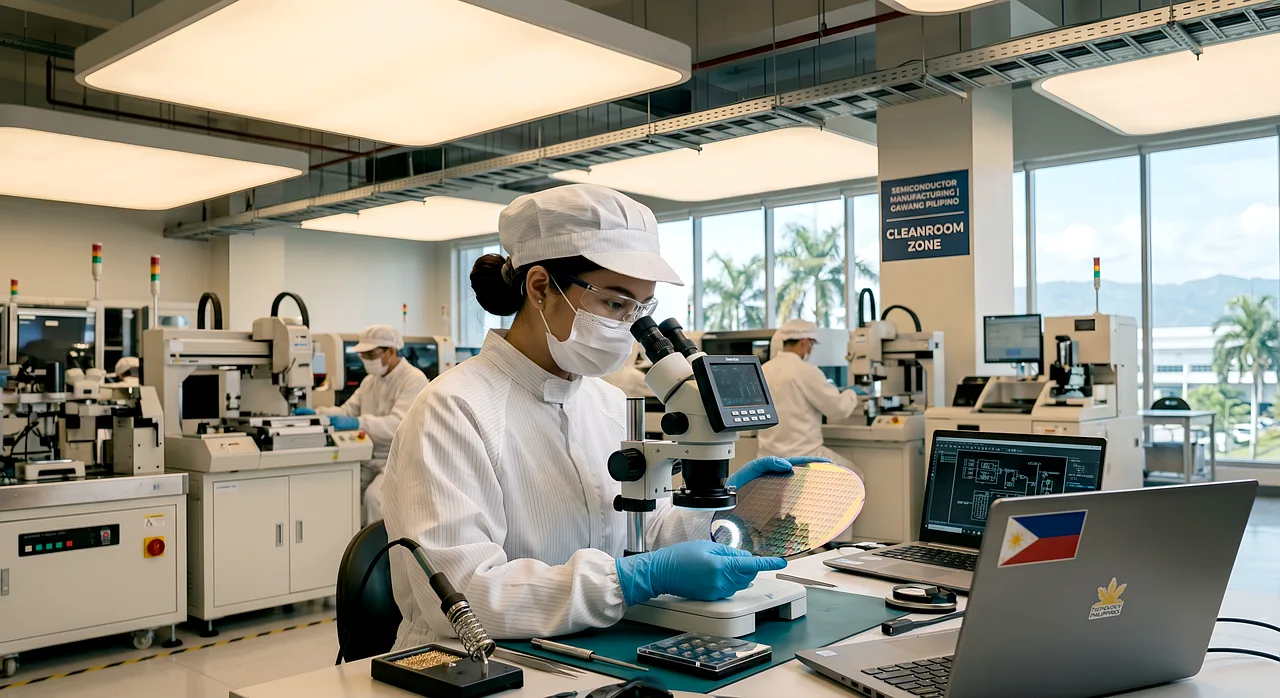
India has officially launched an aggressive multi-billion dollar push to establish itself as a global semiconductor manufacturing hub, leveraging its vast pool of engineering talent and a rapidly expanding domestic electronics market. The initiative, accelerated throughout 2023 and 2024, seeks to reduce the nation’s reliance on imported chips while integrating into the complex global supply chain, with government-backed incentives now attracting major international players to set up fabrication units across the country.
The Context of Global Supply Chain Shifts
The global semiconductor industry has faced significant volatility in recent years due to geopolitical tensions, supply chain bottlenecks, and the critical need for regional resilience. Nations worldwide are now racing to secure domestic chip production capabilities, moving away from the concentrated manufacturing models that dominated the last three decades.
For India, this shift represents a pivotal opportunity to pivot from a pure software and design service provider to a hardware manufacturing powerhouse. The government’s Production Linked Incentive (PLI) scheme serves as the bedrock of this strategy, offering substantial financial support to companies willing to establish semiconductor fabrication and assembly, testing, marking, and packaging (ATMP) facilities.
Synergizing Talent and Infrastructure
India’s competitive advantage lies in its demographic dividend and specialized workforce. According to data from the India Electronics and Semiconductor Association (IESA), the country already hosts a significant percentage of the world’s semiconductor design engineers, providing a ready-made ecosystem for innovation.
By coupling this design prowess with aggressive infrastructure development, India is creating a synergy that lowers the barrier to entry for global firms. Industrial corridors are being optimized for high-tech manufacturing, ensuring that power, water, and logistics—the lifeblood of chip fabrication—are readily available to meet the rigorous demands of cleanroom environments.
Expert Perspectives on Market Integration
Industry analysts point out that while the ambition is clear, the path to maturity requires sustained investment in human capital. Dr. Aruna Sharma, a noted expert in digital policy, suggests that India’s success will depend on its ability to create a ‘fab-ready’ workforce capable of operating sophisticated lithography machines and managing complex automation systems.
Data from the Ministry of Electronics and Information Technology indicates that the domestic semiconductor market is projected to reach $80 billion by 2028. This growth is fueled by rising demand in automotive, consumer electronics, and telecommunications sectors, creating a captive market for locally manufactured chips.
Future Implications for the Tech Landscape
The localization of chip production will likely transform India’s electronics manufacturing sector, allowing for shorter supply chains and more resilient product development cycles. This transition may also place India in a stronger negotiating position within the ‘Chip 4’ alliance and other international semiconductor partnerships.
Looking ahead, stakeholders should monitor the progress of upcoming mega-fabs currently under construction in Gujarat and Assam. The success of these initial plants will serve as a bellwether for the country’s long-term ability to maintain high yields and competitive pricing in the global market. As the industry evolves, the focus will likely shift toward advanced node manufacturing, moving beyond legacy chips to compete with established global giants in the high-performance computing space.