


A Call for National Austerity
Following the significant escalation of hostilities in the Middle East on February 28, 2026, and the subsequent blockade of the Strait of Hormuz, Prime Minister Narendra Modi has issued a seven-point appeal to the Indian public. Addressing the nation from Secunderabad, the Prime Minister urged citizens to adopt immediate austerity measures to mitigate the economic fallout of the global energy crisis, which has stalled 20 percent of the world’s oil supply for over two months.
Contextualizing the Economic Strain
The conflict, triggered by coordinated airstrikes in the Middle East that resulted in the death of Iran’s Supreme Leader, has sent international crude oil prices soaring toward $120 per barrel. Because India imports approximately 90 percent of its oil, the resulting spike in the import bill has placed immense pressure on the national current-account deficit and the stability of the Indian Rupee, which has weakened by 6 percent against the dollar this year.
The Seven-Point Strategy for Resilience
The Prime Minister’s guidelines mirror the lifestyle shifts seen during the COVID-19 pandemic, though the motivation is purely economic. The strategy centers on reducing reliance on imports, specifically targeting fuel consumption, gold purchases, and foreign travel. By encouraging remote work and virtual meetings, the government aims to drastically lower fuel demand in major metropolitan areas, while simultaneously promoting the adoption of electric vehicles and public transit.
Gold Imports and Foreign Exchange
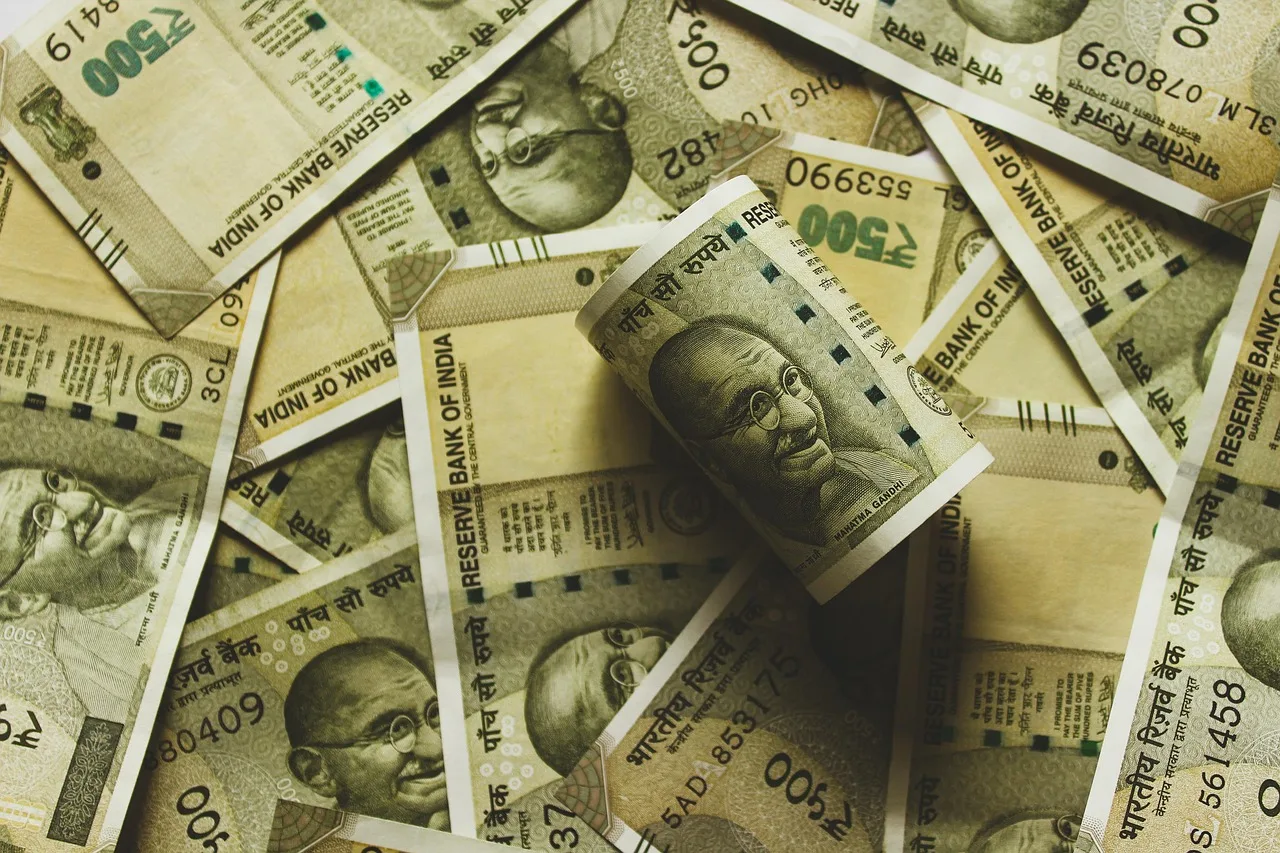
A critical component of the appeal is the request to avoid non-essential gold purchases for one year. As the world’s second-largest consumer of gold, India imports between 600 and 800 tons annually, a practice that drains vital foreign exchange reserves. With households holding an estimated $5.2 trillion worth of the precious metal, officials argue that curbing these imports is essential to protect the national currency and ensure funds are available for critical energy and fertilizer imports.
Industry and Agricultural Implications
Beyond urban consumption, the Prime Minister has called for a shift in agricultural practices, urging farmers to reduce chemical fertilizer usage by 50 percent in favor of natural farming. This policy, combined with a broader ‘Vocal for Local’ campaign, seeks to bolster domestic manufacturing and reduce dependency on foreign-branded goods. The government is also pushing for the widespread adoption of solar-powered irrigation to replace diesel-reliant systems.
Future Outlook and Market Stability
As state-run Oil Marketing Companies struggle with under-recoveries of approximately Rs 30,000 crore monthly, the success of these appeals remains a key indicator of India’s economic stability. Observers will be closely watching the impact of these measures on the trade deficit in the coming fiscal quarter. Should the blockade of the Strait of Hormuz persist, the government may consider further restrictive fiscal policies to safeguard essential reserves and manage inflationary pressures on the domestic economy.