

India has emerged as a primary beneficiary of the global shift in apparel sourcing, with political stability and strategic trade policies driving a significant uptick in exports to the United States. Recent industry data confirms that one-third of India’s total apparel exports are now destined for the U.S. market, marking a pivotal transition in the global supply chain as international brands seek alternatives to traditional manufacturing hubs.
The Shift in Global Sourcing Dynamics
For decades, the global apparel industry relied heavily on a handful of East Asian nations to satisfy Western consumer demand. However, supply chain disruptions during the pandemic and heightened geopolitical tensions have forced retailers to adopt ‘China Plus One’ strategies to diversify their manufacturing footprints.
India has positioned itself as the logical successor for many U.S.-based buyers. The country offers a vertically integrated textile ecosystem, ranging from raw cotton production to sophisticated garment manufacturing, which minimizes reliance on imported intermediate goods.
Political Stability as an Economic Catalyst
Market analysts point to India’s consistent policy environment as a key differentiator in attracting foreign investment. Unlike competitors that have faced sudden shifts in trade regulations or labor unrest, India has maintained a steady trajectory of economic reform aimed at boosting manufacturing.
Government initiatives, such as the Production Linked Incentive (PLI) scheme, have provided financial backing to textile manufacturers looking to expand their capacity. This legislative support has bolstered investor confidence, encouraging U.S. retailers to sign long-term supply contracts with Indian factories.
Data-Driven Growth and Infrastructure
According to trade figures, the U.S. currently stands as the largest buyer of Indian apparel, accounting for roughly 33% of the sector’s output. This relationship is further supported by investments in logistics and port infrastructure designed to expedite shipping times to North American coasts.
Expert analysts at the World Trade Organization note that India’s ability to scale is increasingly tied to its digitalization of trade processes. By streamlining customs and documentation, India has reduced the time-to-market for finished garments, a critical metric for fast-fashion retailers.
Implications for the Industry
For U.S. retailers, this shift signifies a move toward greater supply chain resilience. Relying on a stable, democratic trade partner allows firms to mitigate the risks associated with volatile geopolitical regions and ensures more predictable inventory cycles.
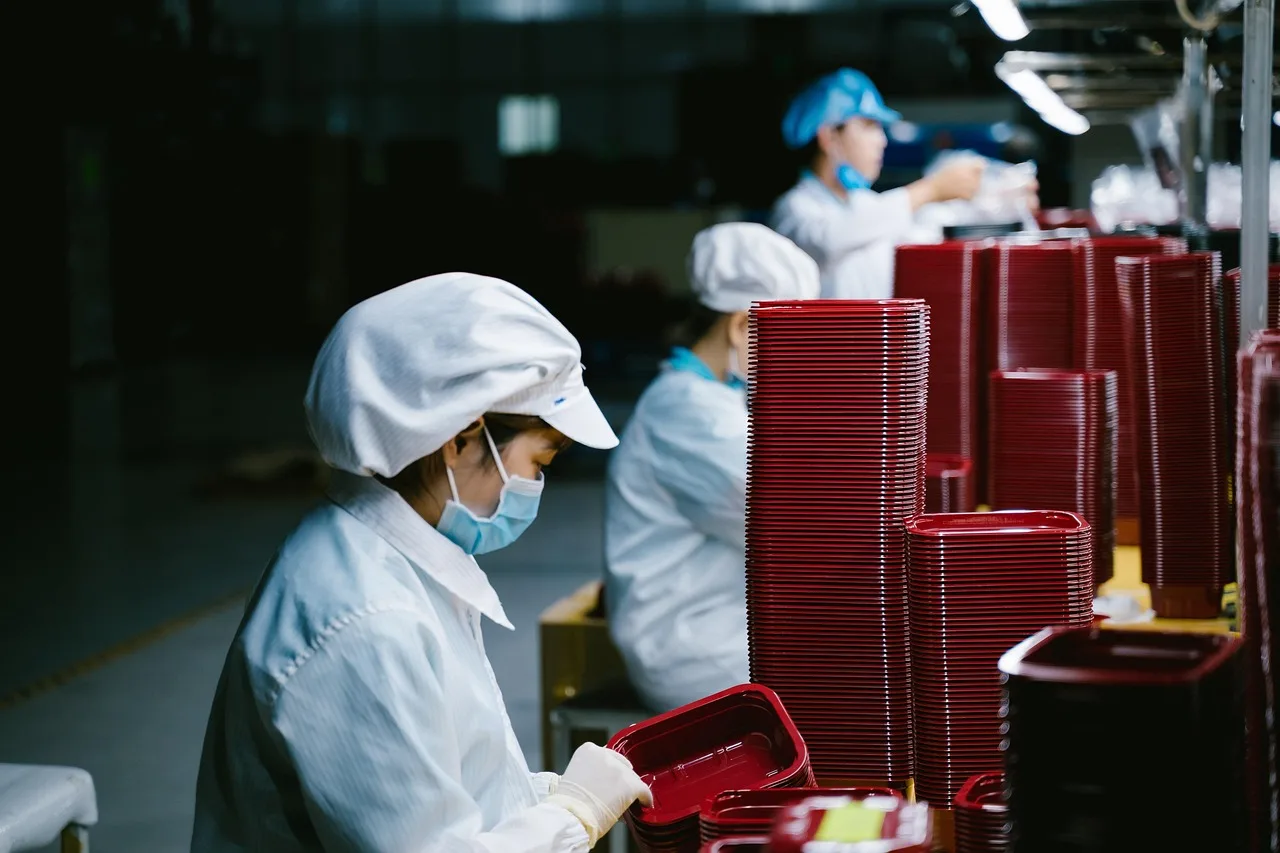
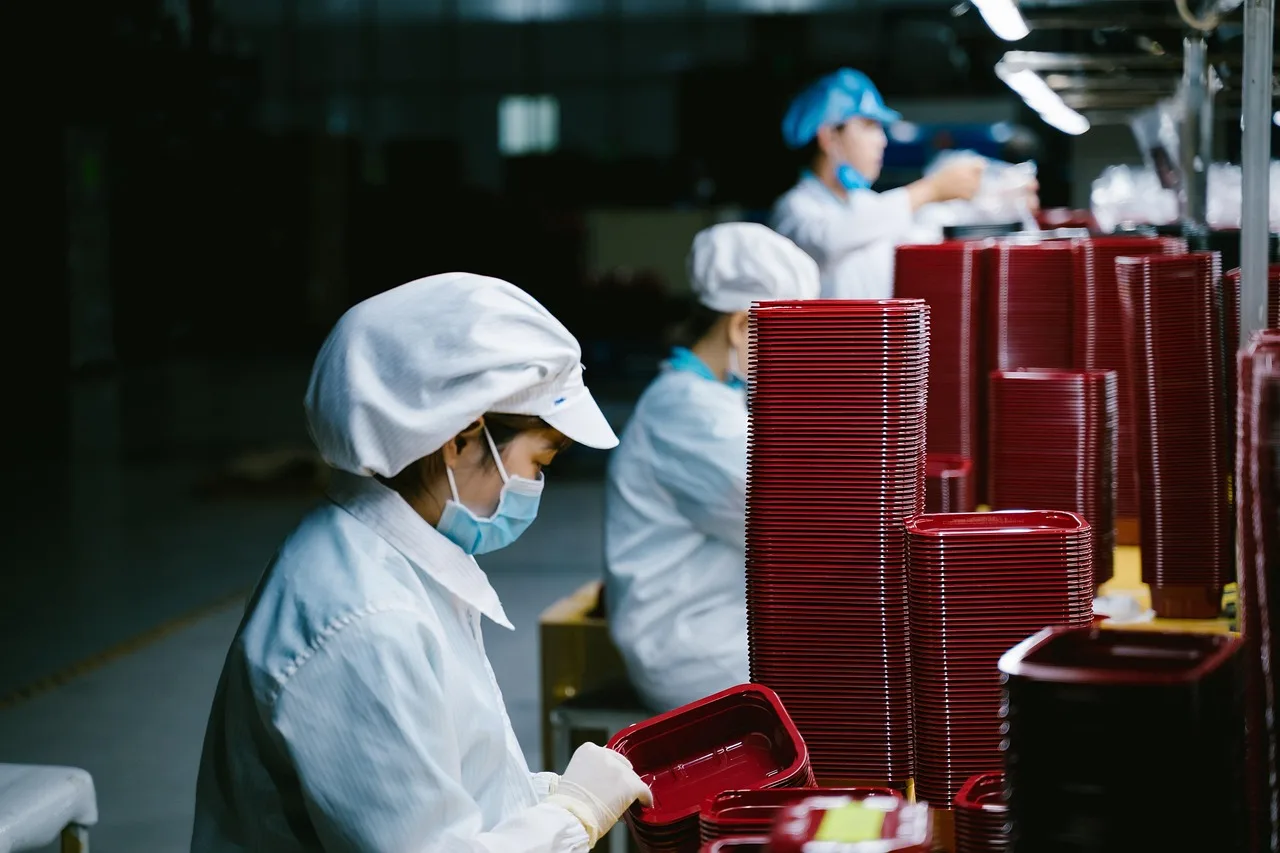
For the Indian economy, the rise in apparel exports represents a significant engine for job creation. The industry is labor-intensive, and the current influx of orders is driving investment in vocational training and factory modernization across states like Tamil Nadu and Karnataka.
Future Outlook and Emerging Trends
Looking ahead, the focus will shift toward sustainability and compliance. As U.S. regulations regarding forced labor and environmental standards tighten, India’s ability to offer transparent, ethically sourced apparel will determine its long-term market share.
Industry observers are now watching to see how quickly Indian manufacturers can adopt automated production technologies to keep costs competitive against emerging Southeast Asian rivals. The coming fiscal quarters will likely reveal whether this current momentum can be sustained through further integration into the global luxury and high-volume retail segments.