









The Changing Geography of Milk Consumption
India’s dairy sector is undergoing a structural transformation as demand growth shifts from saturated metropolitan centers to burgeoning Tier-II and Tier-III cities. Industry executives report that rising disposable incomes and rapid infrastructure development across smaller urban hubs are driving a nationwide surge in the consumption of processed and branded milk products.
The Drivers of Market Expansion
Historically, India’s organized dairy market remained concentrated in major metros like Mumbai, Delhi, and Bengaluru. However, the current trend reflects a broader economic pivot where smaller cities now mirror the consumption patterns of their larger counterparts.
Rising household incomes in these regions have empowered consumers to prioritize quality-assured products over traditional, unorganized local supply chains. Industry analysts point to increased urbanization and improved cold-chain logistics as primary catalysts for this transition.
The Shift Toward Branded Products
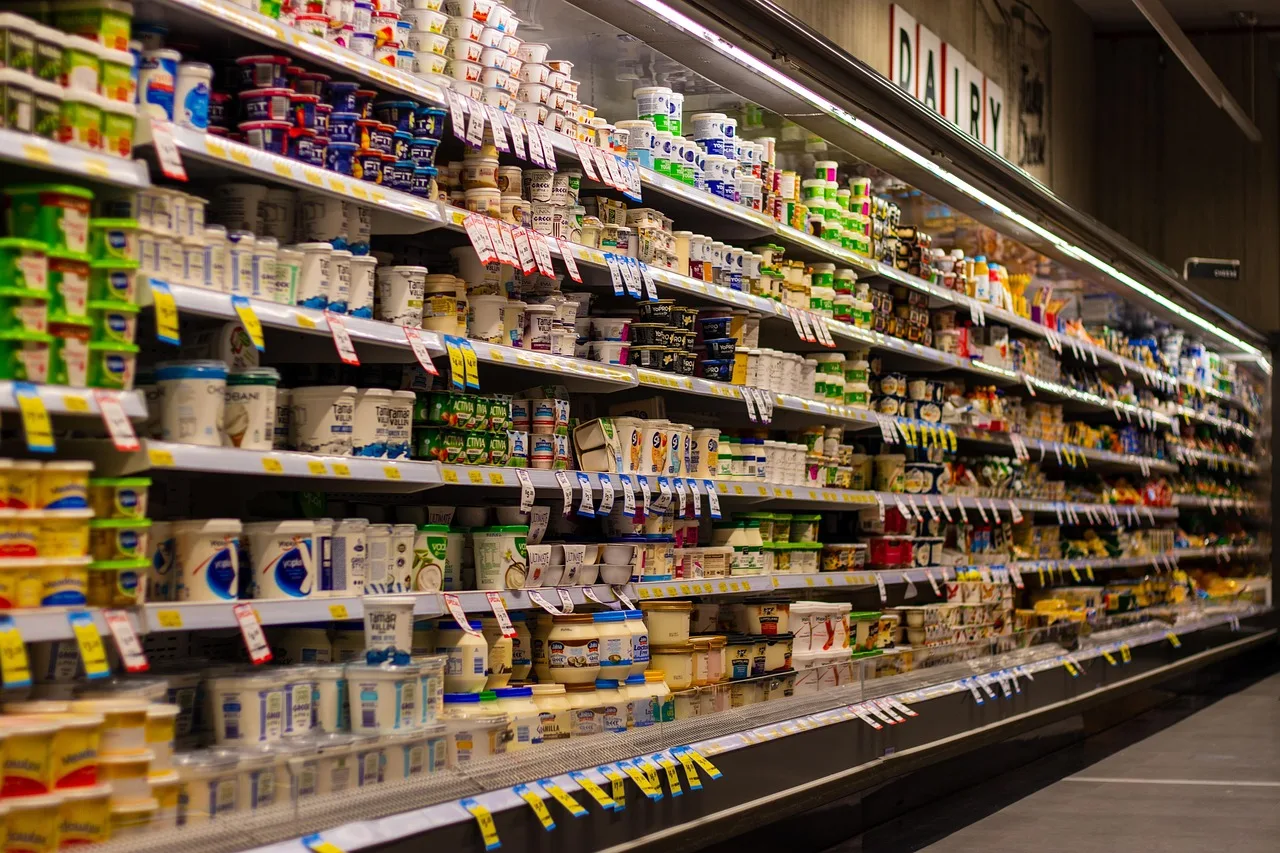
The transition is not merely about volume but the type of product being purchased. Consumers in smaller cities are increasingly opting for value-added dairy products, including packaged curd, paneer, flavored milk, and cheese.
Data from recent industry reports suggests that branded dairy segments are growing at a double-digit rate in non-metro regions. This shift signals a fundamental change in consumer trust, moving away from loose, unbranded milk toward products that offer standardized safety and nutritional labeling.
Expert Perspectives on Market Dynamics
Industry experts emphasize that the penetration of e-commerce and quick-commerce platforms has played a pivotal role in this expansion. By bridging the gap between national dairy brands and consumers in remote urban pockets, these platforms have lowered the barrier to entry for organized players.
“The aspirations of the Tier-II consumer have aligned with those of the metro dweller,” notes a senior supply chain consultant. “They demand the same quality standards, and the dairy industry is finally scaling its distribution to meet that expectation.”
Economic and Industry Implications
For the broader dairy industry, this shift requires a significant realignment of supply chain strategies. Companies are now investing heavily in localized processing plants to reduce logistics costs and ensure product freshness in smaller markets.
This decentralization of the dairy supply chain also provides a boost to local economies, creating jobs in processing, packaging, and distribution. As these regions continue to develop, the competition among major dairy cooperatives and private players is expected to intensify, potentially leading to increased innovation in product offerings.
Future Outlook and Market Trends
Looking ahead, industry stakeholders are closely watching the impact of digital payment adoption and the further expansion of organized retail in rural-urban fringes. The ability of dairy brands to maintain price competitiveness while scaling into these new regions will define the next phase of growth.
Observers anticipate that the coming years will see an even greater focus on specialty dairy segments, such as organic and A2 milk, as health awareness continues to permeate beyond the top-tier cities. Investors and stakeholders should monitor the pace of cold-chain infrastructure development, as it remains the single most critical factor for sustaining this momentum in the long term.