





India’s eight core infrastructure industries registered a growth rate of 1.7% in April, marking a two-month high according to data released by the Ministry of Commerce and Industry. This uptick in industrial activity, driven primarily by robust performances in the steel, cement, and power sectors, signals a potential stabilization in the nation’s manufacturing engine as it navigates fluctuating global economic conditions.
Understanding the Core Infrastructure Index
The Index of Eight Core Industries (ICI) serves as a vital barometer for India’s broader economic health, representing approximately 40% of the weight of items included in the Index of Industrial Production (IIP). The sectors tracked include coal, crude oil, natural gas, refinery products, fertilizers, steel, cement, and electricity.
Economists closely monitor these figures because they provide a leading indicator of industrial output. Growth in these sectors often correlates with increased infrastructure spending and heightened domestic consumption, forming the backbone of India’s capital expenditure strategy.
Drivers of the April Expansion
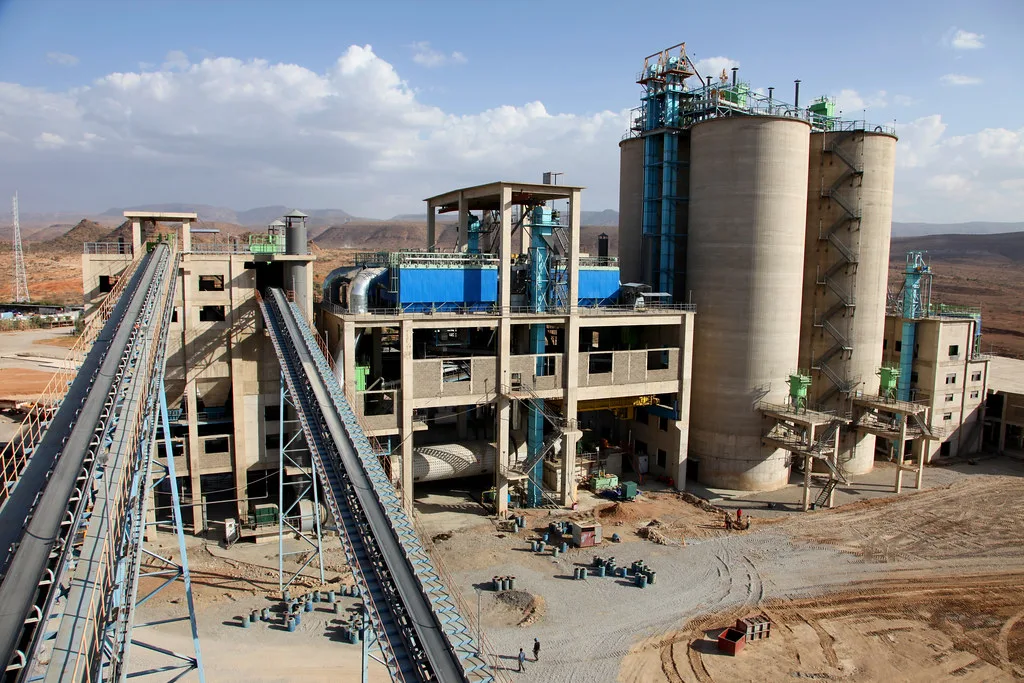
Steel production emerged as a primary engine of growth, benefiting from sustained demand in the construction and automotive sectors. Simultaneously, the cement industry saw a significant rise, reflecting the aggressive pace of public infrastructure projects across the country.
The power sector also contributed substantially to the 1.7% figure, as rising temperatures prompted increased electricity consumption. This surge in energy demand underscores the pressure on grid infrastructure and the ongoing transition toward diversified energy sources to maintain industrial momentum.
Expert Perspectives on Industrial Trends
Market analysts suggest that while the 1.7% growth is a positive development, it reflects a cautious recovery rather than a runaway boom. Data from the Ministry shows that while steel and cement saw strong gains, sectors such as crude oil and fertilizers faced lingering supply-side challenges.
“The performance of core sectors in April suggests that government-led capital expenditure remains the primary driver of growth,” noted a senior economist at a leading research firm. “Private sector investment remains selective, waiting for clearer signals regarding global demand and interest rate trajectories.”
Implications for the Economy
For policymakers, the stabilization of core sector growth provides a necessary buffer against external economic volatility. A steady increase in industrial output is essential to meeting the government’s fiscal targets and supporting job creation in the manufacturing and construction sectors.
For the average consumer, this trend suggests a period of sustained infrastructure development, which may lead to improved logistics and utility services. However, the reliance on specific sectors like steel and power means that any price volatility in raw materials could quickly alter the domestic inflation landscape.
Looking Ahead
Industry observers are now turning their attention to the May and June figures to determine if this growth is sustainable or merely a seasonal fluctuation. Future reports will likely focus on whether the private sector begins to increase its capacity utilization in response to steady demand. Monitoring the government’s infrastructure budget allocation in the coming months will be crucial to predicting whether the core sector can maintain or exceed this growth momentum in the second half of the year.