





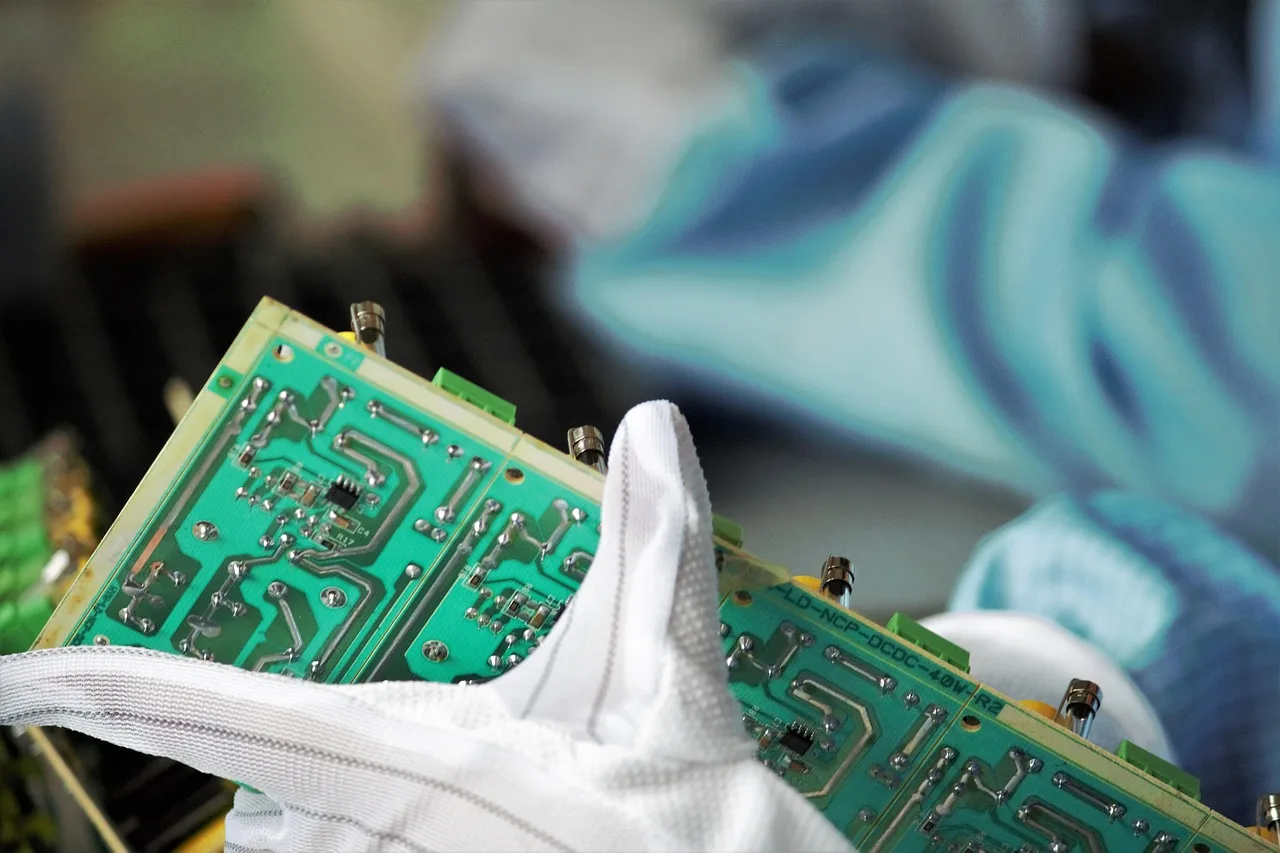
The Indian government has accelerated its $20 billion strategic initiative to establish a domestic semiconductor manufacturing ecosystem, signaling a major shift in the global electronics supply chain as the nation moves to rival established Asian hubs like Taiwan, South Korea, and Vietnam. This broad-reaching industrial strategy, which gained significant momentum throughout 2024, aims to reduce reliance on foreign chip imports and position India as a critical node in the global technology architecture.
Context and Strategic Shift
For decades, the global semiconductor landscape has been dominated by a handful of East Asian nations, leaving the international market vulnerable to supply chain disruptions and geopolitical tensions. Recognizing this fragility, the Indian administration launched the India Semiconductor Mission (ISM) to provide substantial fiscal incentives and infrastructure support to private enterprises.
The policy framework offers financial assistance covering up to 50% of project costs for semiconductor fabrication and assembly units. This aggressive fiscal maneuvering is designed to lower the high capital expenditure barriers traditionally associated with chip manufacturing, making India a competitive destination for both domestic conglomerates and global multinationals.
Expanding the Footprint: From Gujarat to Rajasthan
The implementation of this vision is already visible on the ground, with distinct regional hubs emerging as specialized centers for manufacturing and testing. Gujarat has taken the lead in high-end chip packaging, attracting significant investments that leverage the state’s industrial infrastructure and proximity to logistical networks.
Complementing this, Rajasthan has recently inaugurated its first semiconductor cluster in Bhiwadi. The launch of the Sahasra Semiconductors facility marks a significant milestone, representing a shift toward SME-led chip manufacturing and assembly. By diversifying locations, the government aims to create a resilient, distributed network of semiconductor capabilities across the country.
Industry Perspectives and Economic Impact
Market analysts suggest that India’s entry into the semiconductor space is well-timed, coinciding with a global push for ‘China Plus One’ sourcing strategies. According to industry data, the demand for semiconductors is projected to skyrocket as the automotive, consumer electronics, and artificial intelligence sectors continue their rapid expansion.
Experts note that while India currently lacks the decades of experience held by competitors like TSMC, the country’s massive talent pool of engineers provides a distinct long-term advantage. By focusing initially on Assembly, Testing, Marking, and Packaging (ATMP) units, India is building the foundational technical expertise required to eventually transition into more complex wafer fabrication processes.
Future Implications and Market Outlook
The success of this $20 billion push will depend heavily on the continuous availability of reliable power, water, and specialized labor. Critics point to the need for sustained policy stability to ensure that private investors remain confident in the multi-year timelines characteristic of semiconductor projects.
Looking ahead, the focus will shift toward the integration of these regional clusters into the global semiconductor value chain. Stakeholders should watch for further announcements regarding collaborative joint ventures between Indian firms and established global chipmakers, as these partnerships will likely determine the speed at which India achieves self-sufficiency and begins exporting high-value microchips to the global market.