




Hydrogen Transit Initiatives Expand
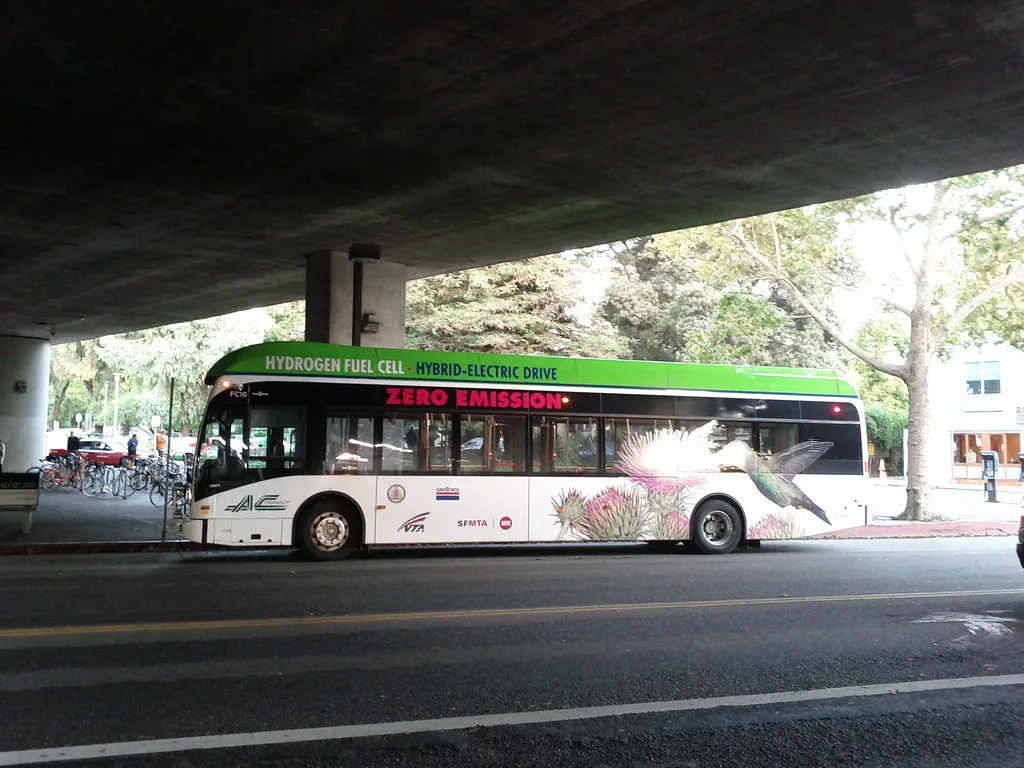
IndianOil Corporation Limited (IOCL) and the Delhi Metro Rail Corporation (DMRC) have launched a collaborative initiative to integrate hydrogen-powered buses into India’s public transportation network. This strategic rollout, currently underway in select urban corridors, aims to reduce carbon emissions and dependency on fossil fuels within the nation’s transit infrastructure.
The project represents a significant shift in India’s energy strategy as the country seeks to meet its ambitious net-zero targets by 2070. By leveraging hydrogen fuel cell technology, authorities hope to provide a cleaner, more efficient alternative to conventional diesel-powered public fleets.
The Transition to Green Hydrogen
The push for hydrogen mobility follows years of research into alternative fuels aimed at curbing the severe air pollution levels often recorded in major Indian metropolitan areas. Hydrogen fuel cells generate electricity through an electrochemical reaction between hydrogen and oxygen, with water vapor as the only emission.
Currently, IOCL operates 15 hydrogen-powered buses across various trial projects nationwide. These trials serve as a critical testing ground to evaluate the performance, safety, and economic viability of fuel cell electric vehicles (FCEVs) in India’s unique climate and traffic conditions.
Operational Challenges and Infrastructure
While the technology offers significant environmental benefits, its widespread adoption faces logistical hurdles. Establishing a reliable hydrogen refueling infrastructure is the most pressing requirement for scaling these operations beyond pilot phases.
Experts note that the cost of green hydrogen production remains a primary barrier to parity with traditional fuels. However, government subsidies and increased investment in electrolyzer manufacturing are expected to drive down costs over the next decade.
Expert Insights on Sustainable Mobility
Industry analysts suggest that public transport is the ideal starting point for hydrogen adoption due to the ability to centralize refueling depots. According to data from the Ministry of New and Renewable Energy, the National Green Hydrogen Mission is actively allocating funds to support large-scale pilot projects in the transport sector.
“Integrating hydrogen into public transit is not merely an environmental choice but a technological necessity for urban centers,” says an industry consultant familiar with the project. “The scalability of these trials will determine how quickly India can decouple its public transport growth from carbon-intensive energy sources.”
Long-term Industry Implications
The success of these trials will have lasting implications for automotive manufacturers and energy providers alike. If the DMRC trials prove successful, it is likely that municipal corporations across other major Indian cities will follow suit, creating a robust domestic market for fuel cell technology.
Stakeholders should monitor the cost trajectory of hydrogen production and the speed at which refueling stations are commissioned along major transit routes. The next phase of development will focus on durability testing of the fuel cell stacks under heavy-load conditions and the integration of renewable energy sources to power the hydrogen production process itself.