




Market Performance and Overview
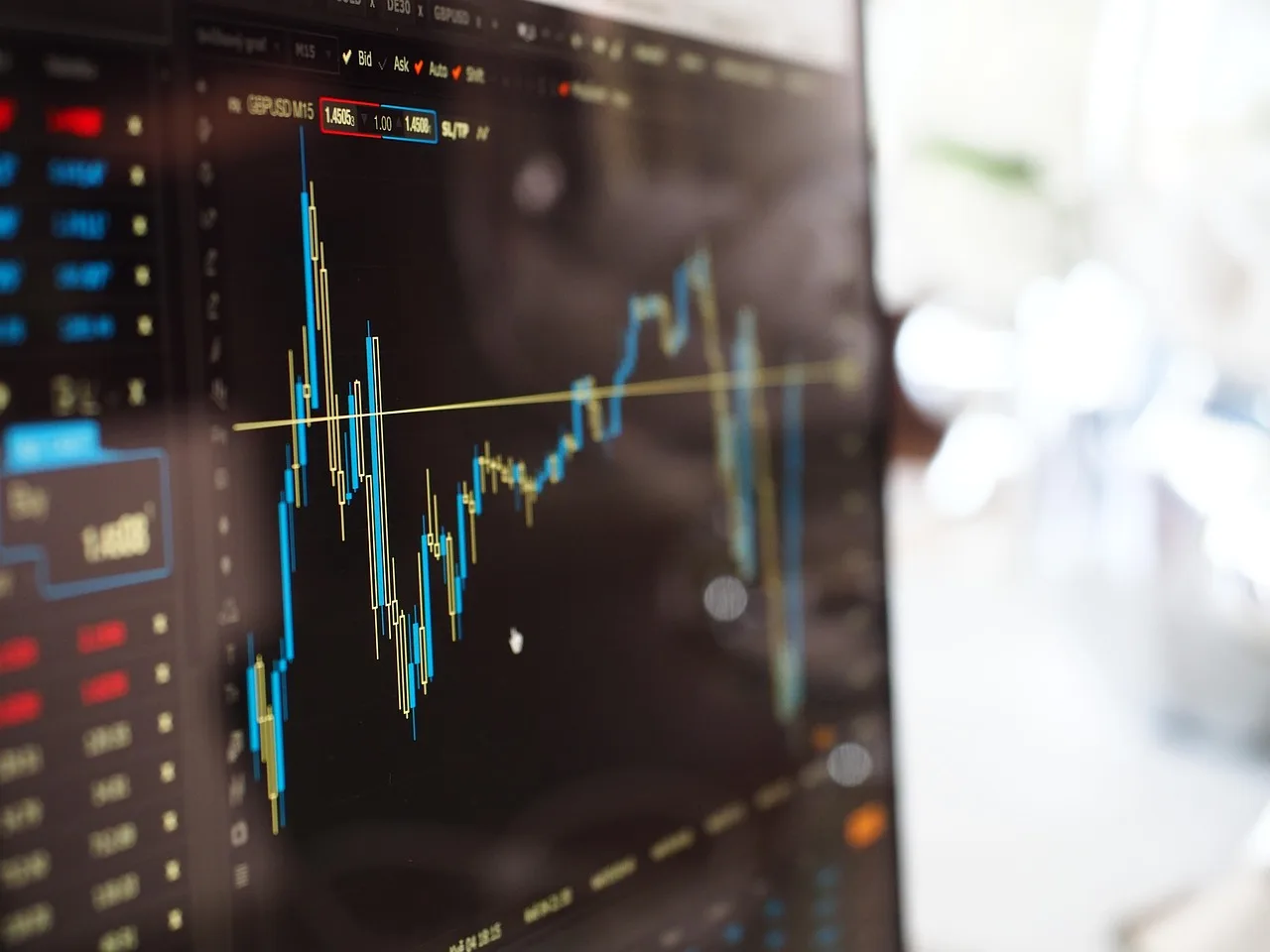
The Indian stock market concluded the trading week on a positive note on May 22, with the benchmark BSE Sensex advancing 231.99 points, or 0.31 percent, to settle at 75,415.35. Simultaneously, the NSE Nifty index gained 64.60 points, closing at 23,719.30, driven primarily by significant buying activity in blue-chip banking stocks and renewed investor optimism surrounding potential diplomatic progress between Iran and the United States.
Contextual Drivers for Market Sentiment
The market’s upward trajectory was largely fueled by a cooling in geopolitical tensions, which helped ease concerns regarding imported commodity prices. Additionally, the Reserve Bank of India’s active intervention in the currency market, following a USD/INR buy-sell swap announcement, provided a stabilizing effect on the rupee. These factors combined to create a favorable environment for investors, despite earlier volatility observed during the week.
Sectoral Performance and Volatility
Banking and financial services emerged as the clear leaders, with the Nifty Bank index rising by approximately 1.2 percent. Key performers included Axis Bank, ICICI Bank, and HDFC Bank, which bolstered the broader indices. Conversely, the healthcare and pharmaceutical sectors faced downward pressure, with the Nifty Pharma index declining by 1.3 percent, led by losses in companies such as Aurobindo Pharma and Glenmark Pharma.
Technical analysis suggests that the market remains in a state of consolidation with a positive bias. Nagaraj Shetti, Senior Technical Research Analyst at HDFC Securities, noted that the Nifty is currently testing overhead resistance near the 23,850 level. While the index has shown resilience, market participants remain cautious, monitoring whether a decisive breakout above this range can trigger broader buying momentum toward the 24,150 mark.
Implications for Investors
The current market environment indicates a selective approach to equity participation, where sectoral rotation is playing a critical role in index performance. For investors, the focus remains on the 23,850 resistance level as a key indicator of short-term trend strength. With the rupee showing signs of stabilization and geopolitical risks potentially receding, market watchers will be closely observing upcoming global economic indicators and corporate performance data to gauge the sustainability of the current rally.