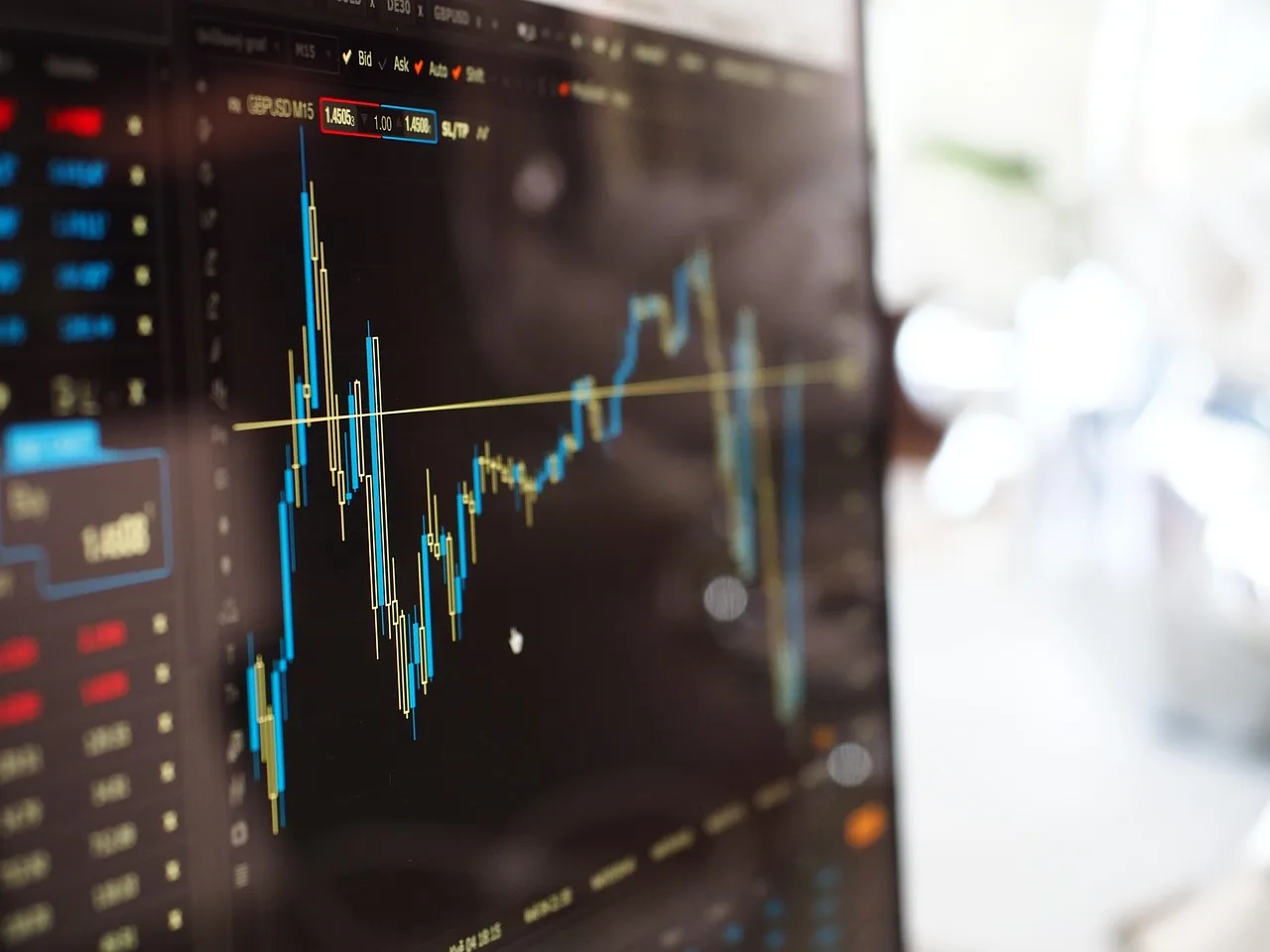




Indian jewellery stocks experienced a significant downturn on Monday, May 11, 2026, with shares of major players like Titan, Kalyan Jewellers, and Senco Gold plummeting by up to 11%. This sharp market reaction followed Prime Minister Narendra Modi’s appeal on Sunday in Hyderabad, urging citizens to delay gold purchases amid escalating geopolitical tensions in West Asia, which are strengthening gold’s appeal as a safe-haven asset but simultaneously raising concerns about global economic stability and discretionary spending.
Context of India’s Gold Market
India’s deep-rooted cultural affinity for gold, combined with its role as a traditional investment, has historically driven robust demand. This trend remained resilient during the January-March quarter of 2026, even as gold prices reached unprecedented highs. The World Gold Council reported a 10 percent year-on-year increase in India’s total gold demand, reaching 151 tonnes in Q1 CY2026.
The value of this demand nearly doubled to Rs 2.27 lakh crore, primarily propelled by soaring international prices. Notably, investment demand significantly outpaced jewellery consumption during this period. Gold investment volumes surged by 55 percent year-on-year, reflecting a growing investor preference for gold-backed assets and ETFs amidst heightened global uncertainty and market volatility.
Gold’s status as a safe-haven asset becomes particularly pronounced during times of geopolitical instability. With tensions escalating in West Asia, investors often flock to gold, pushing its prices higher. Prime Minister Modi’s intervention, however, aims to temper domestic demand, potentially to manage economic implications or reduce import bills during a sensitive global period.
Jewellery Stocks Under Pressure
Despite the underlying strength in gold’s investment appeal, Prime Minister Modi’s direct appeal weighed heavily on the listed jewellery sector. Companies with significant exposure to gold consumption and discretionary consumer spending saw immediate and substantial share price corrections. The market reacted swiftly to the potential impact on sales volumes for jewellery items.
Titan Company, a prominent constituent of the BSE Sensex, saw its shares plunge by 7.7 percent, closing at Rs 4,167.10. The stock hit an intraday low of Rs 4,151.40, marking it as the top loser on the Sensex during the trading session. This decline highlights the immediate sensitivity of large-cap jewellery retailers to government advisories impacting consumer behavior.
Kalyan Jewellers, another major player with a market capitalisation of Rs 39,863.77 crore, experienced a 9 percent drop, with its shares settling at Rs 386.40. The stock had slipped as much as 10 percent intraday from its previous close, indicating broad-based selling pressure across the sector.
PC Jeweller, part of the BSE 1000 index, traded 4.5 percent lower at Rs 9.08, though it recovered slightly from an intraday low of Rs 8.97. Similarly, Senco Gold mirrored the broader weakness, declining 9.9 percent to Rs 329.40, nearing its intraday low of Rs 325.25. Thangamayil Jewellery also faced pressure, with shares trading 5.6 percent lower at Rs 4,007.50 after an intraday fall of nearly 9.8 percent.
Expert Perspectives and Market Resilience
Interestingly, despite the immediate share price corrections, several prominent brokerages largely maintained a positive stance on Titan Company. Morgan Stanley, for instance, reiterated its ‘Overweight’ rating with a target price of Rs 5,212. Bernstein maintained an ‘Outperform’ rating with a target of Rs 5,000, while Goldman Sachs held a ‘Buy’ rating with a target of Rs 5,400.
Elara Capital also maintained a ‘Buy’ rating with a target price of Rs 5,350, and Citi maintained a ‘Neutral’ stance with a target of Rs 5,075. This suggests that while the market reacted to the short-term demand concerns, analysts might view the underlying business fundamentals and long-term growth prospects of these companies as largely intact, or they anticipate the impact of the appeal to be temporary.
The divergence between the immediate market reaction and brokerage outlooks underscores a complex interplay of factors. Short-term sentiment, driven by high-profile government appeals, can trigger volatility. However, long-term valuations often hinge on intrinsic value, brand strength, and the enduring cultural significance of gold in India.
Implications and What to Watch Next
Prime Minister Modi’s appeal highlights a critical tension in India’s gold market: its dual role as a consumption good and a strategic investment. While gold continues to attract investors as a safe-haven asset amid global uncertainty, the call to defer purchases directly impacts the discretionary spending segment that jewellery retailers rely on. This creates a widening gap between rising investment demand for gold-backed assets and concerns over near-term consumer expenditure on physical jewellery.
Moving forward, market participants will closely monitor the duration and intensity of geopolitical tensions in West Asia, as these will continue to influence global gold prices and investor sentiment. The effectiveness of the Prime Minister’s appeal in moderating domestic gold purchases will also be a key factor. Any sustained decline in jewellery consumption could pressure earnings for retailers, even if gold’s investment appeal remains strong.
Investors should watch for further government communications or policies related to gold. The upcoming festive season, traditionally a period of high gold demand in India, will serve as a crucial test of whether the appeal has a lasting impact on consumer behavior or if cultural traditions will eventually override temporary advisories. The resilience of India’s jewellery sector in adapting to evolving consumer preferences and macroeconomic shifts will be paramount.