





Market Volatility Returns as Indices Slip
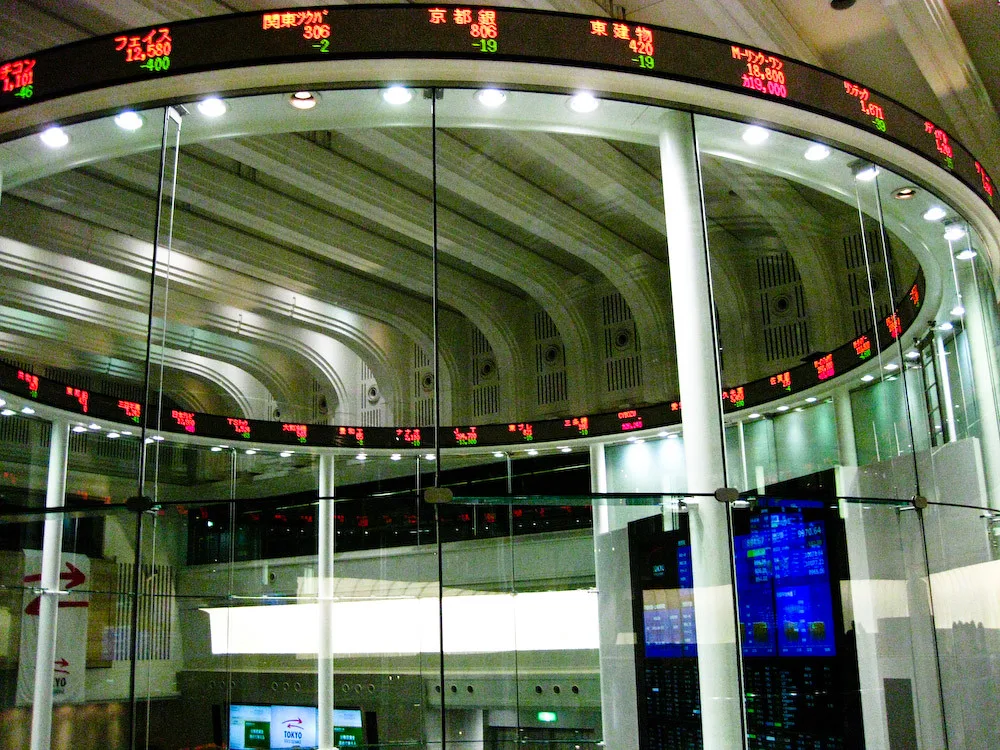
Indian equity benchmarks, the Nifty 50 and BSE Sensex, concluded the trading week in negative territory on Friday, pressured by escalating US-Iran geopolitical tensions and a weakening rupee. The Nifty 50 finished below the 23,650 mark, while the Sensex shed over 160 points during a session characterized by significant volatility. This downturn marks a resumption of weekly losses, as investors grapple with the dual challenges of rising global commodity prices and domestic inflationary pressures.
Geopolitical Shifts and Energy Costs
The sudden intensification of tensions between the United States and Iran has triggered a sharp reaction in global energy markets. Brent crude prices surged on Friday, heightening concerns regarding India’s import bill and overall trade deficit. Because India imports a significant portion of its energy requirements, rising oil prices directly threaten the country’s fiscal balance and domestic inflation targets.
Market analysts note that the correlation between geopolitical instability and domestic equity performance has strengthened in the current quarter. When crude oil prices spike, the Indian rupee typically faces downward pressure as demand for foreign currency rises to settle energy payments. The rupee’s breach of the 96 per dollar mark on Friday exacerbated negative sentiment, prompting institutional investors to adopt a cautious stance.
Economic Pressures and Inflationary Headwinds
The decline in stock valuations arrives alongside a recent government decision to hike fuel prices, a move intended to offset the rising cost of international crude. While the policy shift is necessary to maintain fiscal discipline, it has introduced immediate inflationary concerns among retail and industrial investors alike. Higher fuel costs are expected to raise logistics expenses, potentially compressing corporate margins in the coming quarters.
Data from the session shows that the Nifty 50 experienced a decline of 0.19%, reflecting a broader lack of momentum across major sectors. Banking, automobile, and energy stocks were particularly susceptible to the day’s sell-off. Financial experts indicate that the market is currently in a defensive phase, with traders prioritizing capital preservation over aggressive growth bets until the geopolitical situation stabilizes.
Expert Perspectives on Market Sentiment
Market strategists suggest that the current volatility is a direct response to the uncertainty surrounding global supply chains. “The market is currently pricing in a risk premium due to the potential for further conflict in the Middle East,” noted one financial analyst. “When combined with a weakening currency, the lack of appetite for risk-on assets becomes inevitable.”
Foreign Institutional Investors (FIIs) have shown signs of net selling, further dampening the recovery prospects for the Nifty and Sensex. Analysts warn that if the rupee continues to depreciate against the dollar, the central bank may be forced to intervene, which could restrict liquidity in the banking system.
Future Outlook and Key Indicators
Investors should monitor the trajectory of Brent crude prices in the coming week, as any further escalation could force additional downward revisions in corporate earnings forecasts. Additionally, the Reserve Bank of India’s (RBI) stance on currency management will be critical to stabilizing the rupee. Market participants are advised to watch for upcoming macroeconomic data points, including monthly trade balance figures and industrial production output, which will provide a clearer picture of India’s economic resilience in the face of these external shocks.