





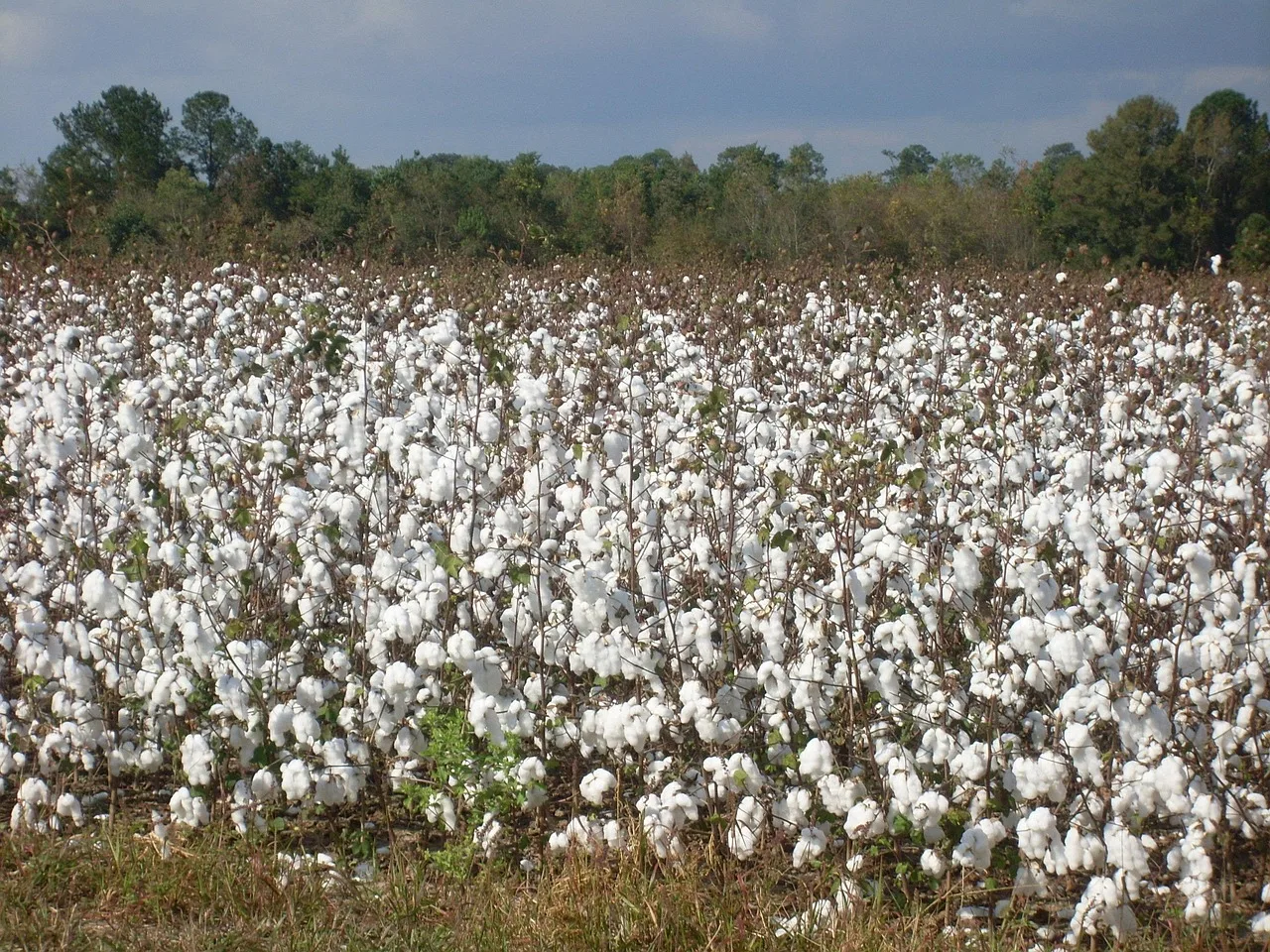
The Cotton Corporation of India (CCI) announced a significant price hike of ₹2,900 per candy of 356 kg on Tuesday, marking the sharpest single-day increase for the commodity this season. This sudden spike, impacting trade across major Indian textile hubs, reflects tightening supply chain dynamics and shifting procurement strategies within the domestic agricultural market.
Understanding Market Volatility
Cotton serves as the backbone of India’s massive textile and apparel industry, which contributes significantly to the nation’s GDP and export earnings. Prices for the fiber are typically dictated by a delicate balance of monsoon rainfall patterns, international demand, and the Minimum Support Price (MSP) set by the government to protect farmers.
In recent months, market analysts noted a period of relative price stagnation as mills cleared existing inventories. The sudden decision by the CCI to raise prices suggests a strategic pivot intended to align domestic rates with global benchmarks while managing the corporation’s own procurement stocks.
Factors Driving the Increase
Multiple factors have converged to necessitate this upward adjustment. Trade sources indicate that the arrival of new crop yields in several key growing regions has been slower than anticipated due to erratic weather conditions earlier in the planting season.
Furthermore, international buyers have begun to show renewed interest in Indian cotton as global supply chains diversify away from other major producing nations. This increased export appetite has tightened the availability of high-quality fiber for local spinning mills, exerting upward pressure on domestic spot prices.
Expert Industry Perspectives
Market economists emphasize that while the 4% hike is substantial, it remains within the realm of expected seasonal adjustments. “The CCI is essentially recalibrating the market floor to ensure that farmers remain incentivized to continue cultivation despite rising input costs,” says an independent agricultural commodities analyst.
Data from the textile ministry suggests that domestic consumption has remained robust, with spinning mills maintaining high capacity utilization rates. However, industry representatives warn that sustained high prices could squeeze profit margins for small-to-medium-scale garment manufacturers who operate on thin margins.
Industry Implications and Future Outlook
For the textile industry, this price hike signals a period of heightened cost management. Manufacturers are likely to pass some of these increased raw material costs down the supply chain, which could potentially lead to higher prices for finished apparel in the coming quarter.
Stakeholders are now closely monitoring the upcoming sowing data and export shipment reports to determine if this price increase will stabilize or trigger further volatility. Observers suggest watching for potential government intervention or export policy adjustments if the price surge threatens to disrupt the domestic garment supply chain during the peak festive manufacturing season.